Yuan Dynasty Ceramics and the Global Trade Network
|
Yuan Dynasty ceramics were not just made for the domestic market; they were also produced in large quantities for export, becoming a major commodity in the global trade network of the time. Yuan porcelain has been discovered throughout the world and testifies to its popularity. This trade played a crucial role in disseminating Chinese culture and art. 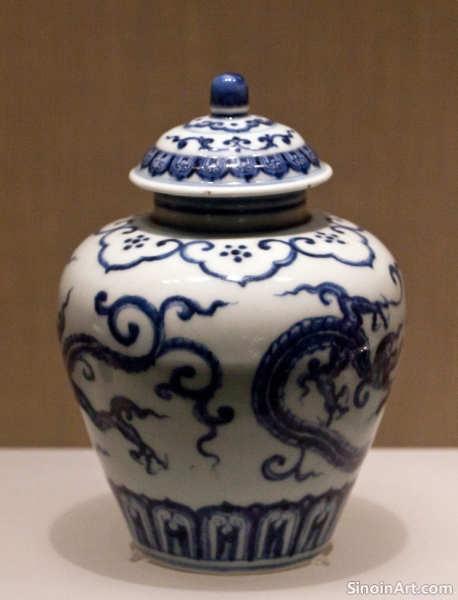 Large quantities of blue and white porcelain were exported to Southeast Asia, the Middle East, and even Europe. This trade had a profound impact on the economic development of China. The increased production of export ware also helped to drive ceramic innovation.  Export ware was often decorated with designs that appealed to the tastes of the overseas markets, demonstrating the adaptability of Yuan potters. Some of these pieces were deliberately designed for export, and demonstrate the flexibility of the ceramic artists.  The global trade in Yuan ceramics led to the exchange of ideas, materials, and technologies, further enriching the artistic landscape of the period. This exchange helped to shape ceramic styles around the world. Yuan wares are evidence of the interconnected world that existed at this time. The legacy of the global trade in Yuan ceramics is evident in the collections of museums and private collections around the world. These pieces serve as important artifacts of both Chinese and world history. The impact of Yuan ceramics is still being felt today. |
Tag : Yuan ceramics export, Global trade network, Chinese trade, Blue and white porcelain, Trade routes
Related information
- The Use of Inscriptions and Marks on Yuan Dynasty Porcelain
- Understanding the Rarity and Value of Yuan Dynasty Porcelain
- The Use of Yuan Dynasty Porcelain as Status Symbols and Markers of Power
- Beyond Blue and White: Other Yuan Ceramic Styles
- The Ethical Considerations in Collecting Yuan Dynasty Porcelain
This article delves into the various inscriptions and marks found on Yuan Dynasty porcelain, explaining how kiln marks, imperial marks, and other inscriptions provide valuable information about origin, patronage, and intended use.
This article explains the rarity and high value of Yuan Dynasty porcelain by highlighting factors such as the short duration of the dynasty, technical difficulties in production, and its significant historical and cultural importance.
This article examines the role of Yuan Dynasty porcelain as a status symbol and marker of power, analyzing how its ownership, display, and use as gifts demonstrated wealth, prestige, and social standing within Yuan society.
Beyond blue and white, the Yuan Dynasty also produced diverse ceramic styles like Shufu ware, Cizhou ware, and Longquan celadon, demonstrating the breadth of creative output and technical expertise during the era.
This article emphasizes the ethical considerations in collecting Yuan Dynasty porcelain, focusing on issues of provenance, legality, the protection of cultural heritage, and the importance of supporting responsible dealers and conservation efforts.