The Role of Kilns and Production Centers in Yuan Ceramics
|
The Yuan Dynasty saw significant developments in kiln technology and the expansion of ceramic production centers. Jingdezhen emerged as the dominant center for porcelain production. The importance of the kilns cannot be overstated in the development of the ceramic arts.  The imperial kilns at Jingdezhen were responsible for producing the highest quality porcelain for the imperial court. The kilns here were on the cutting edge of technological innovation and production methods. The organization of the kilns was a marvel of its time. 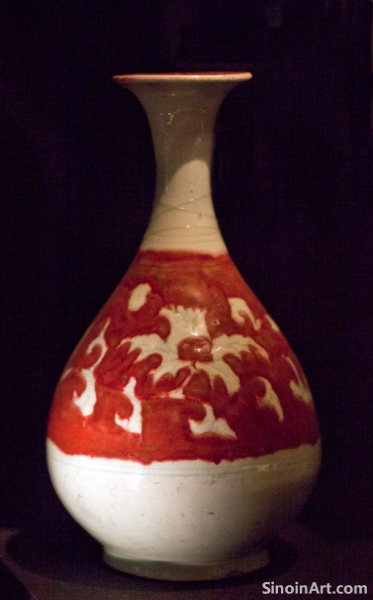 Other important production centers included Longquan, which specialized in celadon, and Cizhou, which produced rustic earthenware. Each region developed its own specific and distinctive styles of pottery production. The ceramics production of China during the Yuan was highly diverse.  The technology of kiln construction and firing techniques was advanced during this period. Yuan potters developed new techniques to control temperatures and to achieve specific glaze effects. The skills of the kilns were vital to the ceramic revolution of the period. The kilns of the Yuan Dynasty were not simply workshops; they were also centers of innovation and artistic expression. The scale and technological advancement of these kilns is a testament to the skill of the time. They are vital to understanding the scale of ceramic production. |
Tag : Yuan Dynasty kilns, Jingdezhen kilns, Longquan kilns, Ceramic production centers, Chinese pottery
Related information
- Understanding the Rarity and Value of Yuan Dynasty Porcelain
- The Kilns of Jingdezhen: The Epicenter of Yuan Dynasty Porcelain Production
- The Role of Minorities in Yuan Dynasty Porcelain Production and Trade
- Comparing Yuan Dynasty Porcelain with Ceramics of the Song Dynasty
- The Rise of Blue and White Porcelain in the Yuan Dynasty
This article explains the rarity and high value of Yuan Dynasty porcelain by highlighting factors such as the short duration of the dynasty, technical difficulties in production, and its significant historical and cultural importance.
This article focuses on Jingdezhen's role as the central porcelain production hub during the Yuan Dynasty. It explores its kiln organization, manufacturing processes, and enduring influence on ceramics.
This article explores the often overlooked role of minority groups in the production and trade of Yuan Dynasty porcelain, acknowledging their likely contributions to various stages of the process and their influence on the diverse cultural landscape of the period.
This article compares and contrasts Yuan Dynasty porcelain with that of the Song Dynasty, highlighting differences in style, technique, form, and the emergence of blue and white as a key distinguishing factor.
The Yuan Dynasty marks a pivotal moment in the history of Chinese ceramics, primarily due to the emergence and rapid development of blue and white porcelain. While blue and white wares had appeared in earlier periods, it was during the Yuan that these pieces, decorated with cobalt blue under a clear glaze, rose to prominence and became a defining feature of Chinese porcelain. The Yuan dynasty represents the beginning of a new approach to ceramic design, and the influence of Yuan blue and white porcelain can still be seen in pottery traditions today.