The Grand Scale of Yuan Dynasty Porcelain
|
One of the defining characteristics of Yuan Dynasty ceramics is their large scale. Many pieces, particularly those produced for export or for use in large public settings, were made in impressive sizes that were much larger than those of the preceding Song Dynasty. The larger pieces show a different approach to production and a change in aesthetic sensibility.  Yuan vases, dishes, and jars often stand out for their imposing dimensions, sometimes reaching heights of several feet, and these larger pieces were created to make a statement, and were designed to catch the eye of patrons and collectors.  The increased size of Yuan ceramics reflects both the technical advancements that were made during the period and the changing tastes and preferences of both domestic and international markets. The ability to create such large pieces is a testament to the skills of the Tang potters who created them. 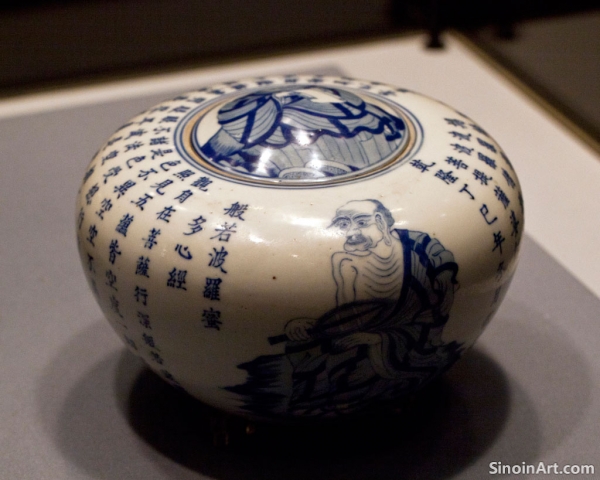 The use of bold, elaborate designs on large Yuan ceramics, such as scrolling floral patterns and dynamic representations of mythological creatures, emphasized the grandeur of the pieces. These massive pieces made a bold visual statement through their scale and their decoration. The grand scale of Yuan ceramics is a testament to the technical skill and artistic vision of potters during this period and the changing artistic sensibilities that were prevalent at the time. These larger pieces were highly popular both within China and also in many international markets. |
Tag : Yuan porcelain size, large Chinese ceramics, Yuan Dynasty art, massive pottery, scale in ceramics
Related information
- The Use of Molded and Applied Decoration on Yuan Dynasty Porcelain
- The Challenges of Authenticating Yuan Dynasty Porcelain: A Collector's Guide
- Future Directions in Yuan Dynasty Porcelain Research: New Discoveries and Interpretations
- Yuan Ceramics and the Continuing Evolution of Porcelain
- The Influence of the Mongol Empire on Yuan Ceramics
This article explores the use of molded and applied decoration in Yuan Dynasty porcelain, highlighting how these techniques added texture and visual interest to pieces, showcasing the versatility of Yuan ceramics beyond underglaze painting.
This article provides a guide for collectors on the challenges of authenticating Yuan Dynasty porcelain. It discusses key factors such as form, decoration, glaze, and the importance of provenance in ensuring authenticity.
This article discusses future directions in Yuan Dynasty porcelain research, including new archaeological discoveries, advances in scientific analysis, and the potential for more detailed cross-cultural studies, promising to further enrich our understanding of the era.
The Yuan Dynasty was a period of continued evolution in the development of porcelain, with potters making advancements in the use of materials, glaze formulations, and firing techniques. The Yuan period laid the groundwork for the eventual innovations of the Ming and Qing eras, and it shows the continued development of pottery traditions that had been developed over centuries in China.
The Yuan Dynasty was established by the Mongol Empire, and this period of Mongol rule had a subtle yet significant impact on the development of Chinese ceramics, particularly in terms of its trade networks and the cultural exchange that occurred during this period, and the influence of the Mongol Empire is visible in various aspects of the production and design of Yuan pottery.