The Use of Seals in Chinese Culture: Beyond Identification
|
Chinese seals, or yinzhang (印章), are much more than mere identifiers; they are integral to Chinese culture, serving a variety of functions beyond simply confirming one's identity. From official documents to artistic works, seals have a long and rich history, reflecting the social, political, and artistic values of Chinese society. The significance of the seal extends beyond its practical use. It is tied to history, culture, and artistic expression.  Historically, seals were primarily used as symbols of authority and power. Imperial seals were used to authenticate documents and decrees from the emperor, while official seals were used by government officials to confirm their positions and decisions. These seals were treated as incredibly important and were an integral part of the process of government and power. They have had a long and important place in Chinese history. 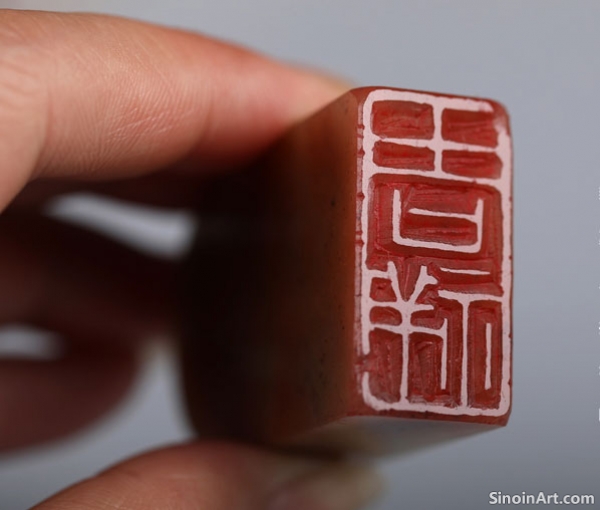 Seals are also used in business and commerce, serving as legal signatures to authenticate contracts and transactions. This function is an important aspect of commerce in China and other parts of Asia. These seals provide an official mark of approval. They often carry a significant legal function as well. Seals also hold an important place in the world of Chinese art. Artists often use seals to sign their paintings, calligraphy, and other works. They are a mark of ownership and identity, as well as an artistic element that contributes to the overall aesthetic. They often add an artistic flair to artworks, and are more than just a signature. In addition to these practical uses, seals are also highly prized as personal objects, reflecting one’s identity, social status, and cultural background. Many people collect seals, not only for their practical purposes, but also for their artistic and cultural value. The seals are a reflection of their owner’s interests. In contemporary times, the use of seals continues to be a relevant part of Chinese culture, demonstrating their enduring importance in a rapidly changing world. They continue to be used in official, artistic, and business contexts. They remain an essential part of the cultural heritage. In essence, Chinese seals are far more than mere identifiers; they are a window into the rich and complex history of Chinese culture, reflecting its values, beliefs, and traditions. The seals are a symbol of Chinese heritage. They serve multiple functions in society and art. |
Tag : Chinese Seals, Yinzhang, Cultural Significance, Seal Use, Traditional Customs
Related information
- Design Elements of Collector's Seals: Composition and Visual Language
- Form and Design of Leisure Seals: Embracing Freedom and Creativity
- Comparing Studio Seals and Name Seals: Similarities and Differences
- Leisure Seals: A Personal Journey Through Carving and Collecting
- Inscriptions of Studio Seals: Unveiling the Character of the Space
This article discusses the design elements of collector's seals, exploring how composition, borders, patterns, and pictorial elements contribute to the seal's visual language and its overall artistic impact.
This article explores the diverse range of shapes, forms, and design elements found in leisure seals, highlighting the freedom of expression that distinguishes them from other types of seals.
This article explores the similarities and differences between studio seals and personal name seals, highlighting their unique functions, characteristics, and cultural significance within the tradition of Chinese seal carving.
This article reflects on the personal journey of those who engage with leisure seals, exploring the creative process of carving, the joy of collecting, and the deep personal meaning these objects hold.
This article delves into the various types of inscriptions found on studio seals, exploring their meanings and how they reveal the nature and purpose of the studio or hall.