Comparing Studio Seals and Name Seals: Similarities and Differences
|
While both studio seals and name seals are forms of zhuanke art, they serve different purposes and have distinct characteristics. Understanding the similarities and differences between these two types of seals provides a deeper insight into the rich complexity of Chinese seal carving tradition. It is important to recognize the unique purposes and traditions of each.  The primary difference between studio seals and name seals lies in their function. Name seals are used to identify an individual, serving as a personal signature on documents and artworks. Studio seals, on the other hand, represent a specific space or place of intellectual or artistic activity. This difference in function also affects their aesthetic characteristics.  Studio seals often have more freedom in their design and inscription compared to name seals. While name seals typically bear an individual's name, studio seals feature a variety of phrases, names, and allusions to the owner's interests and pursuits. The variety of inscriptions is much more broad on studio seals. 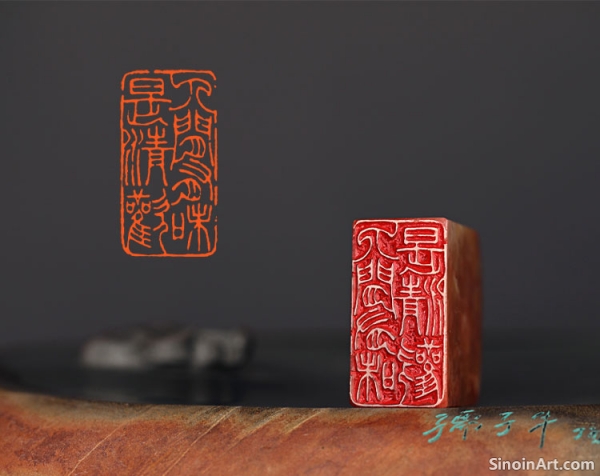 The size and shape of studio seals and name seals can also differ. Studio seals are often larger than name seals, and can be carved into a variety of shapes. Name seals tend to be more consistent in size and often square, while studio seals can be made in various shapes. Both studio seals and name seals require a high degree of technical skill and artistic sensibility. Both require the carver to have a mastery of carving, calligraphy, and composition, as well as an understanding of Chinese culture. Studio seals and name seals are both important components of Chinese culture. They express different aspects of personal and cultural identity, and reflect the rich traditions of Chinese art and literature. By understanding the distinct features of each type, we gain a broader appreciation of the diversity of Chinese seal carving. Each style has a unique historical and cultural role. |
Tag : Studio Seal vs Name Seal, Zhaiguan vs Name, Chinese Seal Types, Seal Functions, Seal Carving
Related information
- The Materials of Seal Carving: From Stone to Ink
- Contemporary Name Seal Carving: Preserving Tradition and Embracing Innovation
- Famous Seal Carvers in Chinese History: The Masters of Zhuanke
- Collector's Seals and Provenance
- The Seal Script: A Calligraphic Foundation of Seal Carving
This article explores the various materials used in Chinese seal carving, including the different types of stones, inks, seal pastes, and other supplies that contribute to the art form.
This article explores the current state of name seal carving, discussing how contemporary artists are both preserving traditional techniques and embracing new approaches to this ancient art form.
Discover the lives and works of famous Chinese seal carvers throughout history. Learn about the contributions of masters like Zhao Mengfu, Wen Peng, and Qi Baishi to the art of zhuanke.
Collector’s seals play a crucial role in establishing the provenance, or history of ownership, of a work of art or a book. The history of ownership is an essential component of establishing the value of a piece.
This article delves into the significance of the seal script (zhuanshu), a form of Chinese calligraphy that serves as the foundation for seal carving, exploring its history, forms, and artistic principles.