The Use of "Blank Space" in Xieyi
|
"Blank Space," or liúbái (留白), is not merely the absence of ink in Xieyi painting; it is an active element, as crucial as the ink itself, contributing to the overall composition, atmosphere, and meaning of the work. It's a fundamental principle in Chinese art that extends beyond painting. The purposeful void is as important as what is actually painted. 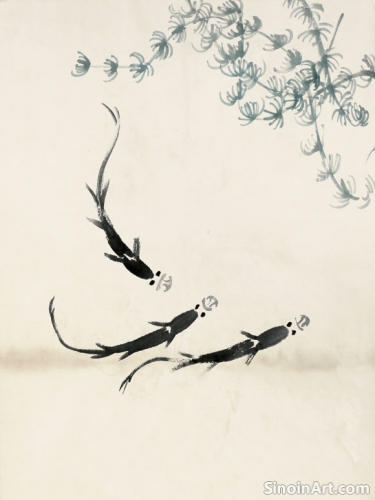 The use of blank space creates a sense of balance and harmony, allowing the eye to rest and to move freely across the painting. It prevents the composition from becoming too crowded or overwhelming, providing essential visual breath. The balance between the painted and unpainted sections creates a visual rhythm. 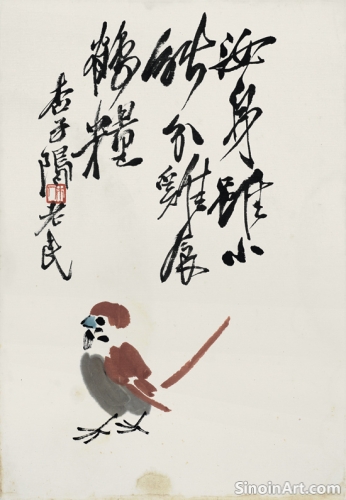 Blank space also contributes to the sense of depth and distance, suggesting vastness and atmosphere. It allows the viewer's imagination to fill in the gaps, creating a sense of ambiguity and encouraging active participation in the interpretation of the artwork. It's an invitation for personal interpretation. 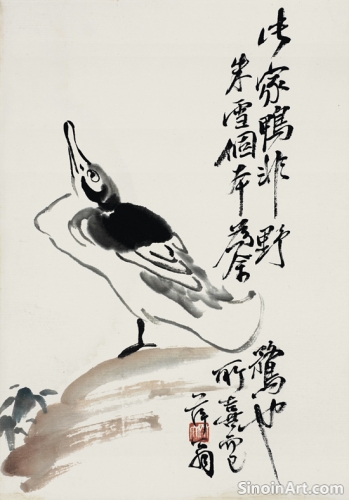 In Xieyi painting, blank space can be used to suggest clouds, mist, water, or the vastness of the sky. It's not always literally empty, but rather, suggests these elements and creates a sense of the intangible. The emptiness is often a vital part of creating the feeling of a space. The concept of liúbái is also connected to the Taoist philosophy of emptiness and the Buddhist concept of sunyata. It reflects the idea that emptiness is not a void but is full of potential and possibility. The blank space is considered as meaningful as the painted areas. It is full of possibility and dynamism. |
Tag : Blank space in art, Liubai, negative space, Chinese composition, void in art
Related information
- Xieyi Painting in the Modern World: A Timeless Art
- Xieyi Figures: Capturing the Essence of Humanity
- Xieyi Painting and the Concept of 'Yi'
- The Concept of "Baimiao" and its Relationship to Xieyi
- Xieyi Painting and the Influence of Nature
This article explores the evolution of Xieyi painting in the modern world, highlighting the incorporation of contemporary themes, new materials, digital technologies, globalization, and its continued relevance.
While less common than landscapes and flowers/birds, figure painting (人物画, renwuhua) also has a place within the Xieyi tradition. These works often focus on capturing the character and spirit of the individual rather than simply portraying a likeness. The focus is on expression and inner qualities.
'Yi' is a central concept in Xieyi painting, referring to the inner intent, meaning, and spirit that the artist aims to convey, emphasizing intuitive expression, suggestive imagery, and the viewer's active participation in interpreting the artwork.
"Baimiao" (plain drawing) is a foundational technique in Chinese painting, emphasizing precise line drawing to define a subject's contours and forms, influencing Xieyi by shaping its underlying structure, informing composition, and contributing to the overall control and confidence seen in the best Xieyi works.
Nature serves as the primary inspiration for Xieyi painting, influencing subject matter, aesthetic principles, and the pursuit of qi. Artists aim to capture the essential spirit and dynamism of the natural world, fostering a harmonious relationship with it through their artistic practice.