The Spiritual and Philosophical Dimensions of Xieyi
|
Xieyi painting is more than just a visual art form; it's deeply rooted in Chinese philosophy and spirituality. The practice of painting becomes a form of meditation, a way for the artist to connect with the inner self and to express their understanding of the universe. It’s a powerful connection between the artist and the world. 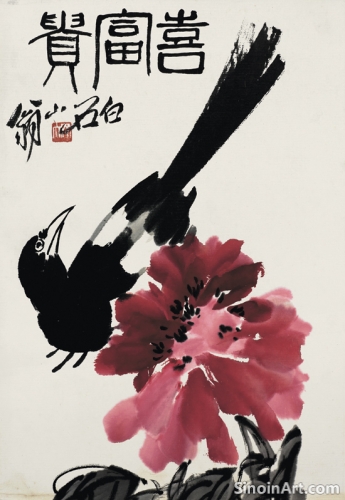 Daoism, with its emphasis on naturalism, spontaneity, and the pursuit of harmony with the Dao (the Way), is a major influence on Xieyi painting. The artist aims to express the intrinsic nature of things, not through meticulous representation, but through suggestion and capturing the vital essence, or qi. The artist seeks to follow the natural flow of ink and brush and become part of the greater world. 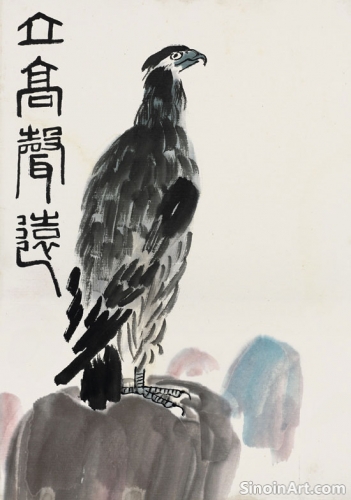 Chan (Zen) Buddhism, with its emphasis on intuition, mindfulness, and the direct experience of reality, also plays a significant role in shaping the aesthetic of Xieyi. The focus is on capturing the essence of a subject in the moment, without intellectual analysis or deliberation. Spontaneity and immediacy are key to expressing the true nature of things. This concept of direct experience guides the process. 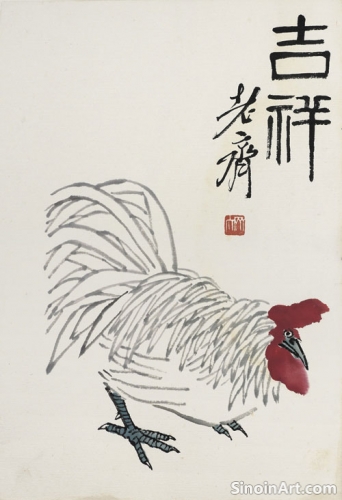 The concept of qi or vital energy is central to Xieyi painting. It is not merely about capturing the outward appearance of a subject but about conveying its inner energy and vitality. The artist seeks to imbue the artwork with their own inner qi, as well as resonating with the qi of the subject they are representing. This infusion of energy is a vital component of Xieyi. The use of negative space is not just about aesthetics; it also reflects the philosophical concept of emptiness (sunyata) in Buddhism. The blank areas are seen as essential for balance, inviting the viewer to complete the image and to engage actively with the artwork. This interplay between ink and space is essential to the painting’s meaning. It is a reflection of the interconnectedness of things. |
Tag : Daoism and painting, Chan Buddhism art, Qi energy, spiritual art, emptiness in art
Related information
- The Significance of Composition in Xieyi
- Xieyi Flowers and Birds: Expressing Life’s Vitality
- The Future of Xieyi Painting
- The Brushstrokes of Xieyi: Mastering Spontaneity
- The Symbolism of Xieyi: Expressing Inner Worlds
Composition, including the strategic use of negative space, asymmetrical balance, and flowing lines, is vital in Xieyi painting, guiding the viewer's eye, creating a sense of harmony, and supporting the artist's intention, despite the art form's seemingly spontaneous nature.
The depiction of flowers and birds (花鸟画, huaniao hua) is another important theme in Xieyi painting, serving as a way to express life's vitality and beauty. Artists seek not just to portray the outward appearance of these subjects, but also to convey their inherent energy and spirit.
The future of Xieyi painting is bright, with contemporary artists expanding its boundaries, exploring new mediums, embracing social themes, and sharing their work globally, while the art form's ability to connect emotionally ensures its continued vitality and relevance.
This article delves into the various brushstrokes and techniques used in Xieyi painting, emphasizing the importance of mastering spontaneity and ink control to convey the spirit of the subject.
This article explores the symbolic elements within Xieyi painting, focusing on how subjects, composition, and brushwork contribute to the expression of the artist's inner world and cultural values.