The Inscribed Bronzes of the Zhou Dynasty: Narratives of History and Power
|
The Zhou Dynasty (c. 1046-256 BCE) marked a significant turning point in the history of Chinese bronze ware, characterized by the increasing prevalence of inscriptions on bronze objects. These inscriptions, which could range from a few characters to lengthy narratives, provide invaluable historical insights into the political, social, and religious practices of the time. They transformed the bronze ware from symbols of power into active communicators of historical events. 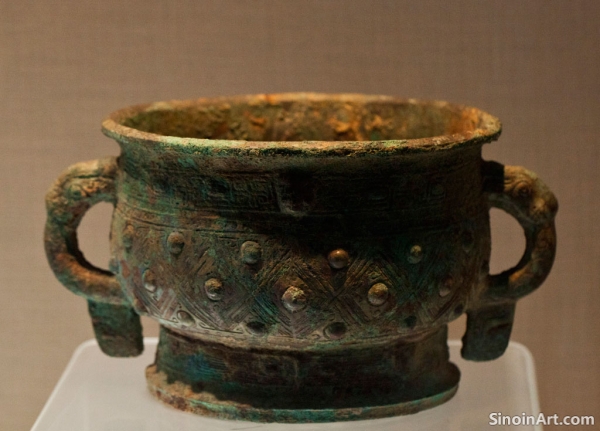 The inscriptions on Zhou bronze ware, often referred to as "bronze inscriptions" or "gold script" (jinwen), recorded important events, such as royal decrees, military victories, and ancestral dedications. These inscriptions often provided a detailed account of the circumstances, names, and dates associated with the creation of the bronze object. They are a vital source of historical data. 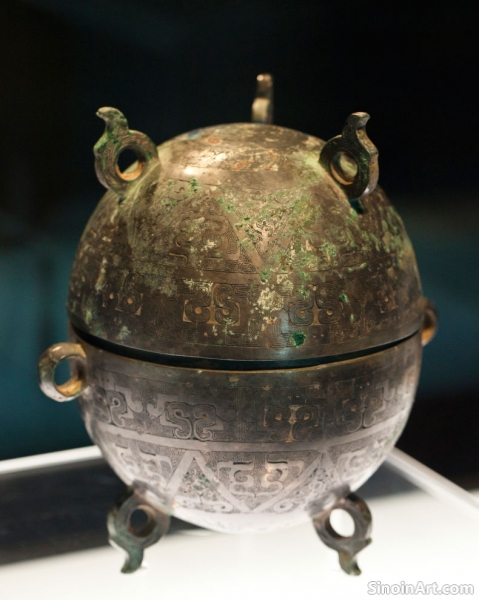 Unlike the primarily decorative emphasis in the Shang Dynasty, Zhou bronzes were increasingly associated with the establishment of lineage, the assertion of political legitimacy, and the recording of individual achievements. The practice of inscribing bronze objects with genealogical records and political declarations became a common practice. These inscriptions also established claims of power and territory. 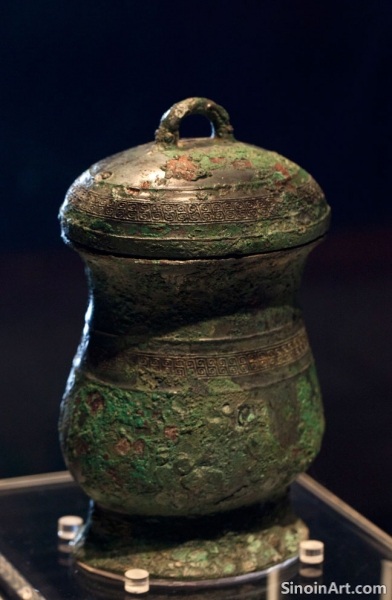 The style of writing used in Zhou bronze inscriptions also evolved over time, reflecting the development of Chinese calligraphy. The early inscriptions often featured simple, archaic characters, while later inscriptions displayed more complex forms. The evolution of writing is clearly shown in the evolution of the inscriptions on the bronze. The inscribed bronzes of the Zhou Dynasty serve not only as powerful historical records but also as artistic treasures, showcasing the beauty and expressiveness of ancient Chinese writing. They connect us to the past through their stories, and they help us to fully understand the complexities of that era. The study of these artifacts provides unique insights into the history and culture of early China. |
Tag : Zhou Dynasty bronzes, bronze inscriptions, jinwen, Chinese calligraphy, historical records
Related information
- The Use of Bronze in Ancient Chinese Writing: Brushes, Ink Stones, and Calligraphy Tools
- Bronze Ware and Ancient Chinese Astronomy: Calendars, Timekeeping, and Ritual Observances
- The Influence of Zhou Dynasty Ritual Bronzes on Later Chinese Art and Culture
- The Evolution of Bronze Vessel Forms in Ancient China: From Simplicity to Complexity and Back Again
- Bronze Ware and Ancient Chinese Astronomy: Celestial Charts and Observational Tools
This article explores the use of bronze in creating writing tools, highlighting brush rests, ink stones, and writing knives, and demonstrating the connection between bronze and the art and practice of writing in ancient China.
This article explores the role of bronze ware in the development of ancient Chinese calendars, highlighting its use in creating timekeeping devices, marking ritual cycles, and reflecting the connection between astronomy, time, and religious observances.
This article explores the lasting influence of Zhou Dynasty ritual bronzes on later Chinese art and culture, highlighting their impact on forms, designs, the importance of inscriptions, and the continued relevance of ritual and ancestral veneration.
This article explores the evolution of bronze vessel forms in ancient China, highlighting the shift from simple early shapes to more complex and ornate designs, and then later, a move back to simpler forms, reflecting changes in technology, aesthetics, and cultural practices.
This article explores the use of bronze in ancient Chinese astronomy, focusing on the creation of armillary spheres, sundials, and other observational tools, demonstrating the integration of art, technology, and the ancient quest to understand the cosmos.