The Role of Bronze in Ancient Chinese Funerary Practices: Preparing the Deceased for the Afterlife
|
Bronze objects held a significant place in ancient Chinese funerary practices, reflecting the belief in an afterlife and the need to provide the deceased with the material goods and spiritual protection needed for their journey. The inclusion of bronze items in tombs highlights the importance of ritual in ancient Chinese culture, and it also helps to emphasize the power and prestige of those who were given such burials. 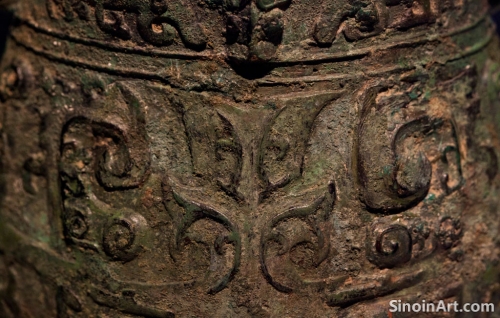 Bronze ritual vessels, often used in ancestral rites and sacrifices, were placed in tombs, suggesting that they were meant to be used in similar ceremonies in the world beyond. These objects served to link the earthly life with the afterlife, and to ensure the wellbeing of the departed in their next life. The inclusion of these objects reflected both status and a desire to protect the spirit of the departed.  Bronze weapons, often included in the tombs of warriors and nobles, were believed to provide protection and power in the afterlife, reflecting a continuation of their earthly roles. The inclusion of bronze weapons in the burials suggests the belief that the same earthly needs would be relevant in the world beyond.  Bronze mirrors, often placed in tombs, were believed to have protective powers and to serve as guides for the deceased as they moved between worlds. The inclusion of these mirrors is a powerful demonstration of a belief in a connection between the worlds of the living and the dead. The study of bronze objects as grave goods provides valuable insights into the funerary customs, beliefs about the afterlife, and the social structures of ancient Chinese society. The careful study of these burials provides a wealth of information about the values and beliefs of the people of the time. |
Tag : bronze funerary practices, ancient Chinese burials, grave goods, afterlife beliefs, tomb artifacts
Related information
- The Use of Bronze in Ancient Chinese Writing Tools: Brushes, Ink Stones, and Writing Knives
- The Relationship Between Bronze Vessels and Food Culture in Ancient China
- The Enduring Appeal of Chinese Bronze Ware: Timeless Art and Cultural Legacy
- Bronze Ware and the Transmission of Ancient Chinese Knowledge: Libraries, Archives, and Scholarship
- The Techniques of Inlaying Bronze: Incorporating Precious Materials into Metalwork
This article explores the use of bronze in ancient Chinese writing tools, highlighting brush holders, ink stones, and writing knives, and demonstrating how bronze was used in both practical and artistic applications related to the production of written documents.
This article explores the connection between bronze vessels and food culture in ancient China, highlighting their use in the preparation, presentation, and consumption of meals, and emphasizing the importance of food in both daily life and ancestral rites.
This article emphasizes the enduring appeal of Chinese bronze ware, highlighting its timeless beauty, its blend of function and symbolism, its ability to connect us with the ancient world, and the importance of continued study and preservation for future generations.
This article explores how bronze ware was used in the transmission of knowledge in ancient China, highlighting its role in creating records, tablets, archive labels, and other objects that helped to document, preserve, and disseminate information for future generations.
This article explores the techniques of inlaying bronze in ancient China, highlighting the use of precious materials like gold, silver, and jade, and demonstrating how these techniques added sophistication, symbolism, and artistic value to bronze objects.