The Art of Tea Pairing: Complementing Chinese Cuisine
|
The art of pairing tea with food is a delicate and nuanced practice, especially within the context of Chinese cuisine. The right tea can elevate a meal, enhancing the flavors of the food and creating a harmonious dining experience. In Chinese culture, tea is often served alongside meals, not just as an after-dinner drink. It is seen as an integral component of the dining experience, not just as a beverage to quench thirst.  Light and delicate green teas, such as Long Jing or Bi Luo Chun, are excellent accompaniments to lighter dishes like steamed fish, vegetables, and seafood. These teas have a fresh and subtle flavor that doesn’t overpower delicate flavors. The grassy notes of green tea can beautifully complement the natural sweetness of many vegetables. Their cleansing effect also helps to clear the palate in between bites. 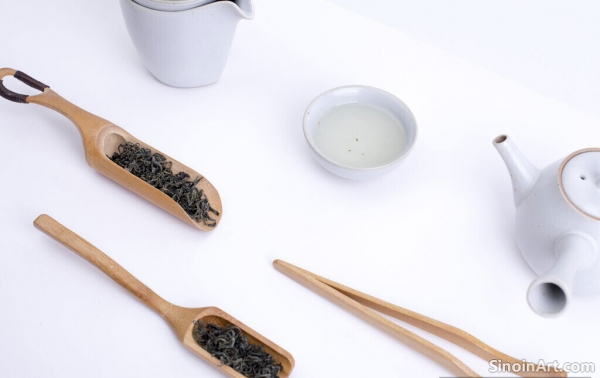 Oolong teas, with their diverse range of flavors, can be paired with a variety of dishes. Lightly oxidized oolongs, such as Tie Guan Yin, go well with poultry and light stir-fries, while darker roasted oolongs, such as Da Hong Pao, pair well with richer and more savory dishes like braised meats. The roasted and nutty notes of oolong add depth and complexity to dishes, while their smooth texture complements the textures of food. 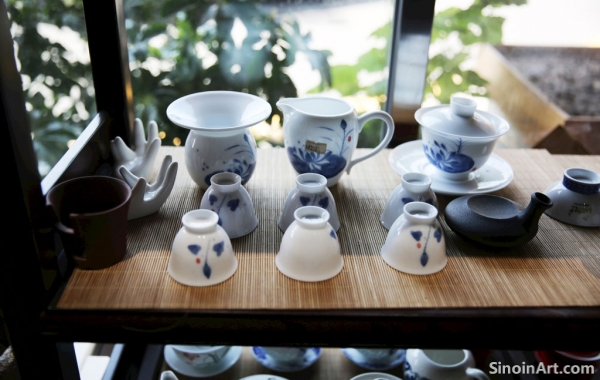 Black teas, also known as “Hong Cha” in China, such as Keemun, can be paired with dishes with stronger and richer flavors, such as red meats and spicy dishes. The malty and robust notes of black tea can help balance the spiciness, while its strength stands up to stronger flavors. Pu-erh tea, particularly aged Pu-erh, pairs well with rich, oily, or fatty dishes, as it helps with digestion. In conclusion, the art of tea pairing is an important part of Chinese culinary tradition. Choosing the right tea can significantly enhance the overall dining experience, bringing out the best in both the tea and the food. The tradition of pairing tea with food reveals a deeper understanding of flavor profiles and their impact on the senses. |
Tag : Tea pairing, Chinese food pairing, green tea, oolong tea, black tea, Chinese cuisine
Related information
- Tea and Philosophy: Harmony and Mindfulness in a Cup
- The Tea Tray: Organization and Presentation
- The Timeless Ritual of Gongfu Tea
- The Delicacy of White Tea: Minimal Processing, Maximum Flavor
- The Nuances of Oolong: A Journey Through Partial Oxidation
Explore the philosophical significance of tea in China, and how the act of preparing and drinking tea reflects principles of Confucianism, Taoism, and Buddhism, promoting mindfulness, harmony, and inner peace.
This article examines the importance of the tea tray in Chinese tea ceremonies, discussing its various forms, materials, and the role it plays in the organization and presentation of tea sets.
Explore the intricate art of Gongfu tea, a traditional Chinese tea ceremony emphasizing precision, patience, and mindfulness. Learn about the specific tools, brewing techniques, and the cultural significance of this art form.
This article focuses on white tea, highlighting its minimal processing, the subtlety of its flavors, and its delicate aroma, along with tips on brewing and enjoying this unique tea.
This article explores the fascinating world of oolong tea, detailing the partial oxidation process, the diverse range of flavors, and the specific regions where it is cultivated.