The Tea Tray: Organization and Presentation
|
The tea tray is an often overlooked but essential element of a Chinese tea set. It serves as the foundation upon which the various pieces of teaware are arranged and presented, playing a crucial role in both the organization and presentation of the tea brewing experience. It also provides a physical space for the tea set, allowing for easy movement and use.  Tea trays come in various shapes, sizes, and materials. Common materials include wood, bamboo, ceramic, and metal. The material and design of the tea tray often reflect the taste of the tea drinker. The material is chosen for both its durability and its aesthetic qualities. 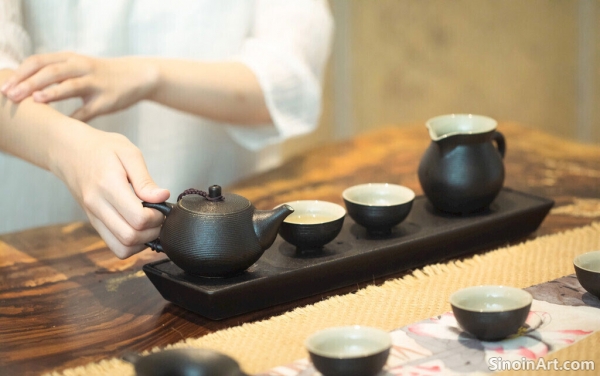 The design of the tea tray is both practical and decorative. They often feature designated slots or areas for different teaware items, keeping the tea set organized and easy to use. The various elements of the tea set are carefully displayed on the tray, which adds to its overall presentation. 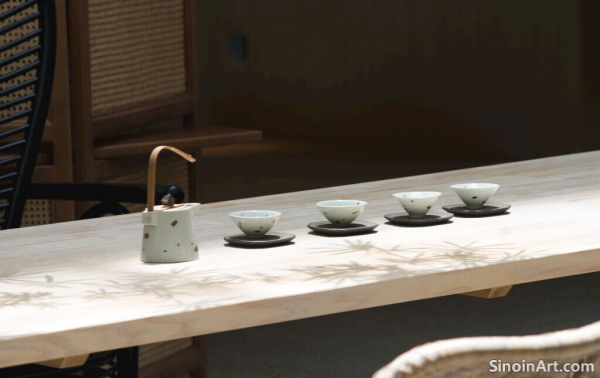 A tea tray also serves a functional purpose, catching any spills or splashes of water during tea brewing, preventing damage to the table surface. It helps keep the tea area clean and tidy, which is an important consideration in traditional Chinese tea ceremonies. The tea tray’s role in presenting and organizing teaware elevates the tea experience, emphasizing the importance of both practical and aesthetic considerations. It helps to create a peaceful and harmonious environment, and also has its own aesthetic appeal. The tea tray is a vital part of the experience of drinking Chinese tea. |
Tag : Chinese Tea Tray, Tea Presentation, Tea Ceremony, Tea Utensils, Tea Accessories
Related information
- The Future of Chinese Tea: Sustainability and Modern Innovations
- The Timeless Ritual of Gongfu Tea
- Vessels of Enjoyment: Understanding Chinese Tea Cups
- The Future of Chinese Tea: Balancing Tradition and Innovation
- The Timeless Tradition: An Introduction to Chinese Tea
This article discusses the future of Chinese tea, addressing issues of sustainability, ethical practices, and innovative technologies that are shaping the tea industry for future generations.
Explore the intricate art of Gongfu tea, a traditional Chinese tea ceremony emphasizing precision, patience, and mindfulness. Learn about the specific tools, brewing techniques, and the cultural significance of this art form.
This article focuses on Chinese tea cups, exploring their diverse forms, materials, and styles, and how they are chosen to complement the tea being served and enhance the tea-drinking experience.
Explore the future of Chinese tea and how it balances tradition with innovation. Discover the trends shaping the tea industry, from sustainable farming to modern technology, and how they ensure the longevity and relevance of Chinese tea culture.
This article provides a comprehensive introduction to Chinese tea, covering its history, cultural significance, and the diversity of types available.