The Nuances of Oolong: A Journey Through Partial Oxidation
|
Oolong tea stands out in the Chinese tea landscape for its unique partial oxidation process. Ranging from lightly oxidized, floral teas to more heavily oxidized, robust teas, the flavors and aromas of oolong are incredibly diverse. Exploring the different types of oolong will help reveal the complex nature of this unique tea type. 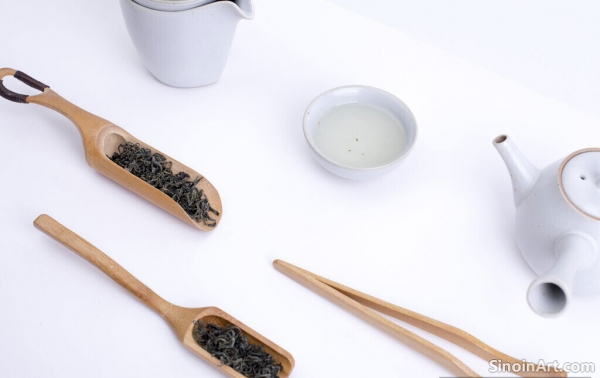 The partial oxidation process of oolong tea results in a complex array of flavors and aromas. The level of oxidation can range from 10% to 80%, creating a wide range of different types of oolong. These various degrees of oxidation make each type of oolong unique, and different brewing methods are often required. 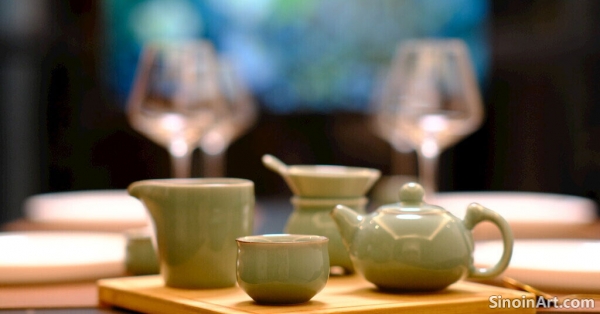 Some popular types of oolong include Tieguanyin (Iron Goddess of Mercy) from Fujian, and Da Hong Pao (Big Red Robe) from the Wuyi Mountains. The different growing regions, and the different processing methods, both have an impact on the final result.  Brewing oolong tea can be a nuanced process, often using specialized tools and careful control of water temperature, steeping time, and the number of infusions. The best results often come from multiple infusions of tea leaves, which each produce their own unique flavors and aromas. The unique flavors and aromas of oolong tea make it a versatile beverage that can be enjoyed by both casual drinkers and dedicated tea enthusiasts. The wide range of types available make it easy to find an oolong that is perfectly matched to your unique taste preferences. |
Tag : Oolong Tea, Chinese Oolong, Partial Oxidation, Tea Regions, Tea Flavors
Related information
- The Art of Selecting Teaware: Personal Taste and Function
- Tea and Health: Exploring the Wellness Benefits of Chinese Tea
- Decoding the Types: A Guide to Chinese Tea Varieties
- The Art of Tea Pairing: Complementing Chinese Cuisine
- The Legacy of Pu-erh: A Tea That Ages Like Fine Wine
This article provides guidance on selecting Chinese teaware, emphasizing the importance of considering personal taste, intended usage, and the specific qualities of different materials and designs.
This article examines the various health benefits associated with drinking Chinese tea, discussing its antioxidant properties, potential impact on cardiovascular health, and its overall contribution to well-being.
This article explores the diverse range of Chinese tea varieties, categorizing them by processing method and highlighting their unique characteristics, flavors, and aromas.
Explore the art of tea pairing within the context of Chinese cuisine. Learn which teas best complement different dishes and how the right tea can enhance the overall dining experience.
Delve into the fascinating world of Pu-erh tea, a unique Chinese tea prized for its aging potential. Learn the difference between Sheng and Shou Pu-erh and how the fermentation process transforms its flavor over time.