The Delicacy of White Tea: Minimal Processing, Maximum Flavor
|
White tea is celebrated for its minimal processing methods, allowing the tea leaves to remain in their most natural form. This gentle approach results in a tea with a delicate flavor, subtle aroma, and a smooth, soothing taste. Its unique character makes it a popular choice for those looking for a more subtle and refined flavor profile. 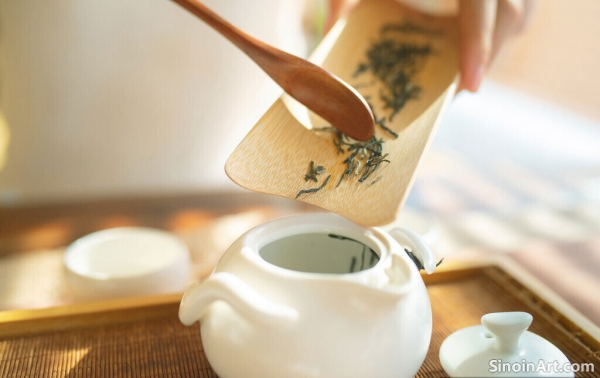 The minimal processing of white tea means that it retains many of its original compounds, including antioxidants. White tea is harvested early, and typically involves only the young buds and leaves of the tea plant. The harvesting process is often performed by hand, to ensure no damage occurs to the fragile tea leaves. 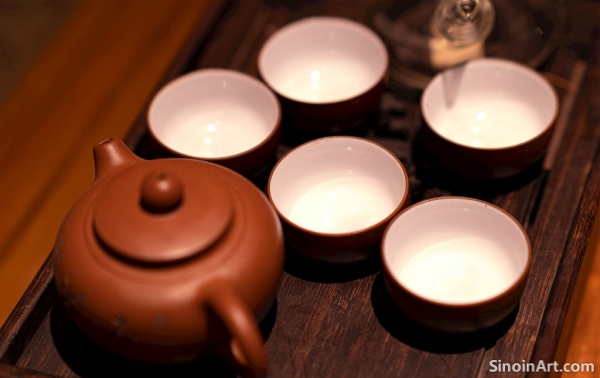 Popular types of white tea include Silver Needle, made entirely of unopened buds, and White Peony, which includes both buds and young leaves. The different types are distinguished by the ratio of young buds to young leaves. This also impacts their unique flavor profiles, with Silver Needle being the most delicate and subtle of all types of white tea.  Brewing white tea requires the use of fresh water at a lower temperature, along with shorter steeping times, and many infusions of the same leaves. It is important not to over steep, as this may lead to a bitter flavor. White tea leaves can often be steeped multiple times, each releasing their own unique flavor profile. White tea is a delicate and subtly flavored beverage that is best enjoyed on its own, without milk, sugar, or any other additives. It is often consumed for the health benefits it offers, and for its naturally subtle taste. Its delicate qualities are best enjoyed when served alone. |
Tag : White Tea, Chinese White Tea, Minimal Processing, Tea Brewing Tips, Tea Delicacy
Related information
- The Future of Chinese Tea: Sustainability and Modern Innovations
- Vessels of Enjoyment: Understanding Chinese Tea Cups
- The Art of Gongfu Cha: The Traditional Chinese Tea Ceremony
- White Tea: The Minimalist Approach to Tea Processing
- The Refreshing World of Green Tea: Health Benefits and Brewing Tips
This article discusses the future of Chinese tea, addressing issues of sustainability, ethical practices, and innovative technologies that are shaping the tea industry for future generations.
This article focuses on Chinese tea cups, exploring their diverse forms, materials, and styles, and how they are chosen to complement the tea being served and enhance the tea-drinking experience.
This article delves into the details of Gongfu Cha, the traditional Chinese tea ceremony, explaining its history, techniques, and the cultural values it represents.
Discover the world of white tea, a delicate and minimally processed Chinese tea. Learn about its harvesting, processing, and the delicate flavors that make it a unique and prized beverage.
This article focuses on green tea, discussing its health benefits, popular varieties, and offering practical tips for brewing the perfect cup.