The Materials of Chinese Seal Carving: From Stone to Jade
|
The diverse materials used in Chinese seal carving contribute significantly to the art's richness and versatility. While bronze was the initial choice, the evolution of seal materials reflects the development of carving tools and techniques, as well as the growing appreciation for different textures and colors. Understanding these materials is essential to appreciating the nuances of individual seals. 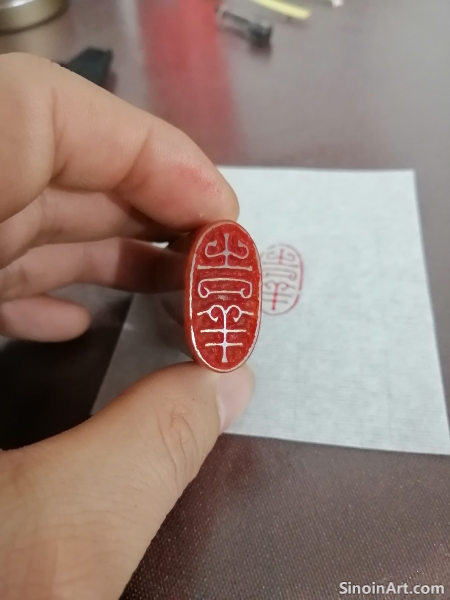 Stone is perhaps the most widely used material for seal carving. Various types of soapstone, such as Shoushan stone, Qingtian stone, and Balin stone, are preferred for their soft texture, allowing for relatively easy carving. Each type of stone has its own unique characteristics, such as color variations, grain patterns, and hardness, which influence the final appearance of the seal. The beauty of natural stones adds to the artistry and individuality of each seal.  Beyond stone, more precious materials like jade and ivory have also been used, especially for seals belonging to the nobility and wealthy merchants. Jade, known for its hardness and exquisite beauty, is considered the most valuable material. Carving jade seals requires a higher level of skill and expertise. Ivory seals, though less common now, were favored for their smooth texture and delicate appearance. 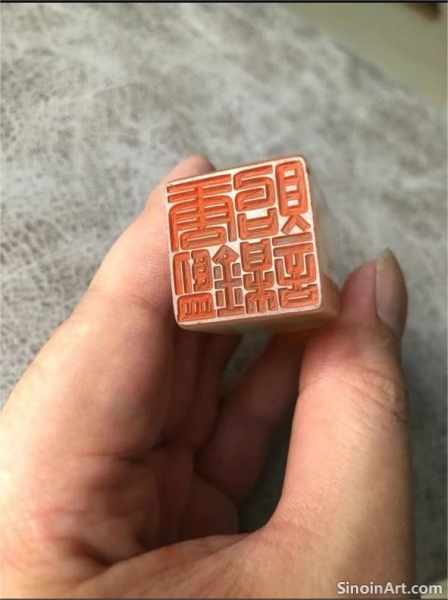 The selection of material is not arbitrary. Carvers carefully consider the properties of each material in relation to the intended design and usage of the seal. The hardness of the material affects the precision and intricacy of the carving. The color and grain can enhance or detract from the overall design. A skilled craftsman understands how to make the material an integral part of the art. Modern seal carvers also experiment with a variety of alternative materials, from synthetic stones to specialized plastics. These materials often provide different effects, expanding the possibilities of the art form. This willingness to experiment and evolve ensures that the ancient practice of seal carving continues to grow and thrive in the modern era while respecting its rich past. |
Tag : seal carving materials, Shoushan stone, jade seals, Chinese seal stones, zhuanke materials
Related information
- Seal Carving as a Personal Art Form: Expressing Individuality
- The Tools of the Trade: Seal Carving Equipment Explained
- Modern Uses of Collector's Seals: Adaptation and Evolution
- Contemporary Name Seal Carving: Preserving Tradition and Embracing Innovation
- The Placement of Collector's Seals
This article explores how Chinese seal carving serves as a personal art form, emphasizing how artists express individuality through character selection, arrangement, carving style, and material choices.
Discover the specialized tools used in Chinese seal carving, from knives and chisels to files and brushes. Learn about their purpose and how they contribute to the creation of these miniature artworks.
This article explores how collector's seals are used in the modern era, examining contemporary practices and the ways in which artists and collectors are adapting this tradition to new contexts and purposes.
This article explores the current state of name seal carving, discussing how contemporary artists are both preserving traditional techniques and embracing new approaches to this ancient art form.
The placement of collector's seals on works of art or books is often a carefully considered decision, reflecting the collector’s aesthetic judgment and their understanding of traditional Chinese art principles. The placement of the seal is just as important as the seal itself.