Pu-erh Tea: The Complex World of Fermented Tea
|
Pu-erh tea stands apart from other Chinese teas due to its unique fermentation process. It is a post-fermented tea that develops a complex flavor and aroma profile as it ages. It is a highly prized tea, and has a unique history and cultural significance. The fermentation process also differentiates it from green, black, oolong, and white teas.  There are two main types of Pu-erh tea: raw Pu-erh (sheng) and ripe Pu-erh (shou). Raw Pu-erh is traditionally aged for many years, and develops complex flavors over time. Ripe Pu-erh is subjected to an accelerated fermentation process that creates a softer and more mellow taste. Both have their own specific brewing characteristics. 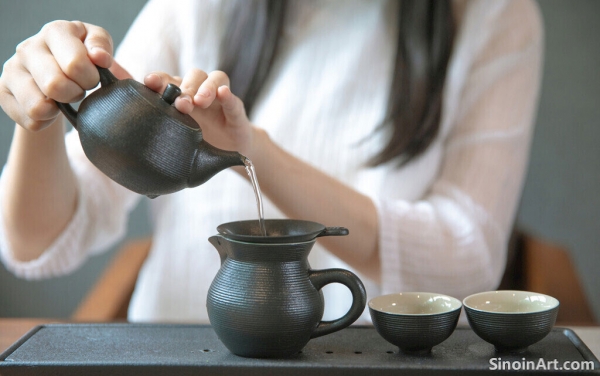 Pu-erh tea is known for its aging potential, as it is often stored for many years to allow the complex flavors to develop. Like fine wine, the complexity and depth of Pu-erh increases with time. There are many collectors who specifically seek out older Pu-erh teas, which are valued for their unique characteristics.  Pu-erh tea can be brewed using various methods, including the traditional Gongfu Cha method, or in simpler everyday tea preparations. The brewing method must be tailored to the specific type of tea being used, and the unique characteristics of the tea leaves being used. The unique qualities of Pu-erh tea make it a fascinating subject of study for those interested in the complexities of the art of tea. Its fermentation process, its aging potential, and its unique flavor and aroma profiles all make it one of the most fascinating and complex types of tea available. |
Tag : Pu-erh Tea, Fermented Tea, Chinese Pu-erh, Aging Tea, Tea Types
Related information
- The Variety of Chinese Teas: A Journey Through Flavors and Regions
- The Refreshing World of Green Tea: Health Benefits and Brewing Tips
- The Delicate Art of Green Tea Production in China
- The Tea Pitcher (Chahai): Balancing and Sharing Tea
- Tea and Philosophy: Harmony and Mindfulness in a Cup
Embark on a journey through the vast world of Chinese tea varieties, exploring the unique characteristics of green, black, oolong, white, and dark teas, and the regions where they originate.
This article focuses on green tea, discussing its health benefits, popular varieties, and offering practical tips for brewing the perfect cup.
Explore the delicate art of Chinese green tea production, from harvesting to processing. Learn about the different methods and why the timing of the harvest is critical for flavor and quality.
This article explores the function and significance of the tea pitcher, or chahai, in Chinese tea brewing, highlighting its role in balancing the strength of the brew and facilitating the sharing of tea.
Explore the philosophical significance of tea in China, and how the act of preparing and drinking tea reflects principles of Confucianism, Taoism, and Buddhism, promoting mindfulness, harmony, and inner peace.