The Delicate Art of Green Tea Production in China
|
Chinese green tea is renowned across the globe for its delicate flavors and health benefits. Unlike black tea, green tea is not oxidized, which preserves its fresh and vibrant character. The production process is a meticulous one, involving careful harvesting, processing, and drying techniques that vary widely depending on the region and the specific type of tea. From the mountainous regions to the plains, different climates impart a unique character to each leaf.  The most common methods of processing Chinese green tea include pan-frying, steaming, and sun-drying. Pan-frying, or "shaqing," is popular in Zhejiang and Anhui provinces and is known for its characteristic roasted notes. Steaming is a technique often used in Japan but also has a long tradition in some Chinese tea-growing regions, producing a grassy and vegetal flavor. Sun-drying, the most ancient method, uses the natural energy of the sun to reduce the moisture content of the leaves. 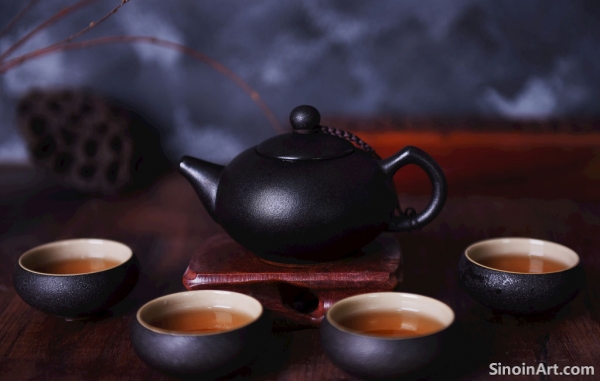 The timing of the harvest is critical. The earliest harvests, known as the "Ming Qian" or "Pre-Qingming" teas, are the most sought-after. These young leaves, picked before the Qingming Festival, are considered the most tender and flavorful. Careful attention is given to the tea buds and leaves when harvested to maintain the highest quality.  Green tea is enjoyed in various forms across China, from everyday brews to part of formal ceremonies. Its fresh taste and aroma make it an excellent companion to a wide array of meals. The health benefits of green tea, which include high levels of antioxidants, also contribute to its popularity. In essence, Chinese green tea is a testament to the mastery of tea production, reflecting the harmony between nature and human craftsmanship. The care taken from the moment the leaf is plucked to the moment the cup is enjoyed demonstrates China's commitment to producing teas of exceptional quality and character. |
Tag : Chinese green tea, tea production, Ming Qian tea, tea harvesting, green tea benefits
Related information
- The Health Benefits of Chinese Tea: More Than Just a Beverage
- The Tea Tray: Organization and Presentation
- White Tea: The Minimalist Approach to Tea Processing
- The Essentials of Chinese Teaware: An Introduction
- The Tea Pitcher (Chahai): Balancing and Sharing Tea
Learn about the numerous health benefits of Chinese tea. Discover how different varieties, such as green, black, and Pu-erh, contribute to overall well-being with their antioxidants and other beneficial compounds.
This article examines the importance of the tea tray in Chinese tea ceremonies, discussing its various forms, materials, and the role it plays in the organization and presentation of tea sets.
Discover the world of white tea, a delicate and minimally processed Chinese tea. Learn about its harvesting, processing, and the delicate flavors that make it a unique and prized beverage.
This article provides a comprehensive introduction to the essential types of Chinese teaware, exploring their functions, materials, and historical significance within Chinese tea culture.
This article explores the function and significance of the tea pitcher, or chahai, in Chinese tea brewing, highlighting its role in balancing the strength of the brew and facilitating the sharing of tea.