The Tea Pitcher (Chahai): Balancing and Sharing Tea
|
The tea pitcher, or chahai (茶海) as it is known in Chinese, is an essential tool in the Chinese tea ceremony. It acts as a vessel for decanting tea from the teapot, allowing for the flavors of the tea to be balanced, and providing a more consistent brewing experience. The chahai plays an important role in the tea ceremony. 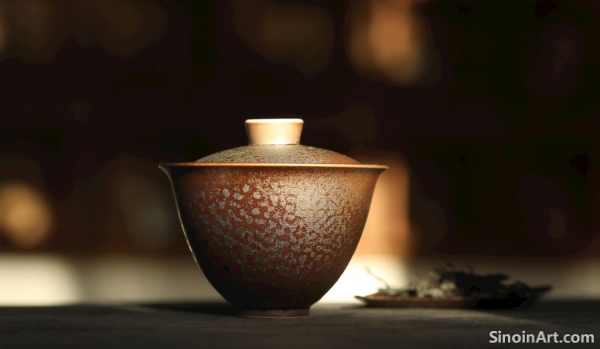 The chahai serves several important functions. It helps to ensure that all cups are filled with tea of the same strength and intensity. It prevents over-steeping, by allowing the brewed tea to be removed from the leaves. This allows for a more balanced and consistent brewing experience.  The tea pitcher is often made of glass, porcelain, or ceramic. The choice of material often depends on personal preference, or the type of tea being brewed. Glass tea pitchers are useful for appreciating the color of the tea, while ceramic pitchers are often chosen for their aesthetic qualities. 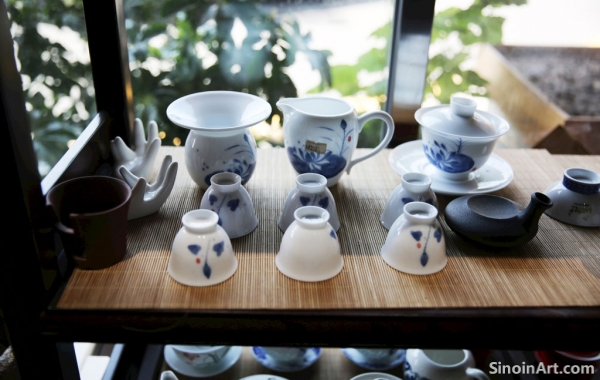 The shape of the tea pitcher is usually designed to make pouring smooth and easy, minimizing any spills or splashing. The design is often both functional and beautiful, a key aspect of all types of teaware. The design is also often chosen to be easy to clean, and to maintain. The use of the chahai exemplifies the communal aspect of Chinese tea culture, where tea is meant to be shared and enjoyed with others. It is both a practical and symbolic tool, and its use represents the cultural values of Chinese tea. It is a vital part of both the brewing and sharing process, and its use represents respect for the traditions surrounding tea culture. |
Tag : Chinese Tea Pitcher, Chahai, Tea Sharing, Tea Serving, Tea Ceremony Tools
Related information
- The Nuances of Oolong: A Journey Through Partial Oxidation
- The Significance of Tea Houses in Chinese Culture
- White Tea: The Minimalist Approach to Tea Processing
- Pu-erh Tea: The Complex World of Fermented Tea
- The Timeless Ritual of Gongfu Tea
This article explores the fascinating world of oolong tea, detailing the partial oxidation process, the diverse range of flavors, and the specific regions where it is cultivated.
Explore the significance of Chinese tea houses as cultural and social hubs. Learn how these establishments have played a vital role in Chinese society, providing spaces for relaxation, business, and social interaction.
Discover the world of white tea, a delicate and minimally processed Chinese tea. Learn about its harvesting, processing, and the delicate flavors that make it a unique and prized beverage.
This article explores the unique world of Pu-erh tea, examining its fermentation process, aging potential, the various types available, and the regional significance of this unique tea.
Explore the intricate art of Gongfu tea, a traditional Chinese tea ceremony emphasizing precision, patience, and mindfulness. Learn about the specific tools, brewing techniques, and the cultural significance of this art form.