The Variety of Chinese Teas: A Journey Through Flavors and Regions
|
China boasts an astonishing array of tea varieties, each with its unique flavor profile, aroma, and production method. This diversity reflects the vast geography of China, with different regions specializing in different types of tea. From the delicate and floral whites to the robust and smoky blacks, Chinese tea offers something for every palate. This vast variety has made tea an integral part of the daily lives of most Chinese people.  Among the most popular Chinese teas are green tea, black tea, oolong tea, white tea, and dark tea. Each category represents a broad spectrum of variations in cultivars and processing. For example, green teas range from the vegetal Long Jing to the nutty Bi Luo Chun. Oolong teas vary greatly depending on the degree of oxidation, from the light floral Tie Guan Yin to the dark roasted Da Hong Pao. Black teas, called “hong cha” in Chinese, range from the malty Dian Hong to the smoky Lapsang Souchong. 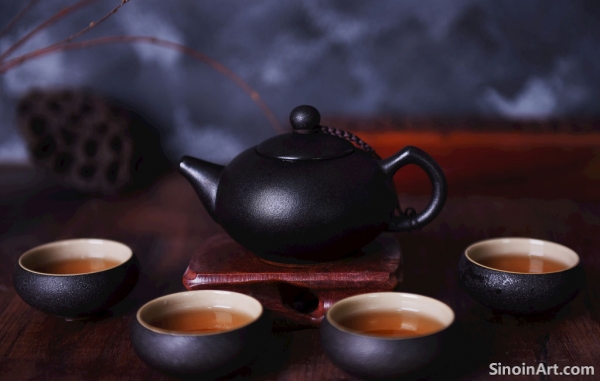 The unique terroir of each region— the combination of climate, soil, and altitude—significantly impacts the tea's flavor. High-altitude tea gardens often produce teas with more delicate aromas and complex flavors. The mountainous landscapes of Fujian and Yunnan provinces, for example, are famous for producing world-renowned teas.  The art of selecting, brewing, and enjoying Chinese tea is a nuanced one, often passed down through generations. It’s about more than just a beverage; it is about engaging with a rich history and a profound culture. Each type of tea reflects the traditions and skills of its region and the unique characteristics of its surroundings. In conclusion, the variety of Chinese tea is an incredible journey of exploration for tea lovers worldwide. Each cup is an invitation to discover the diversity and richness of Chinese tea culture, a testament to centuries of craftsmanship and tradition. |
Tag : Chinese tea varieties, green tea, black tea, oolong tea, white tea, Chinese tea regions
Related information
- The Future of Chinese Tea: Sustainability and Modern Innovations
- The Timeless Ritual of Gongfu Tea
- The Health Benefits of Chinese Tea: More Than Just a Beverage
- The Tea Pitcher (Chahai): Balancing and Sharing Tea
- The Art of Gongfu Cha: The Traditional Chinese Tea Ceremony
This article discusses the future of Chinese tea, addressing issues of sustainability, ethical practices, and innovative technologies that are shaping the tea industry for future generations.
Explore the intricate art of Gongfu tea, a traditional Chinese tea ceremony emphasizing precision, patience, and mindfulness. Learn about the specific tools, brewing techniques, and the cultural significance of this art form.
Learn about the numerous health benefits of Chinese tea. Discover how different varieties, such as green, black, and Pu-erh, contribute to overall well-being with their antioxidants and other beneficial compounds.
This article explores the function and significance of the tea pitcher, or chahai, in Chinese tea brewing, highlighting its role in balancing the strength of the brew and facilitating the sharing of tea.
This article delves into the details of Gongfu Cha, the traditional Chinese tea ceremony, explaining its history, techniques, and the cultural values it represents.