Gongbi Portraiture: Capturing the Essence of the Subject
|
While often associated with flowers, birds, and landscapes, Gongbi is also used to create stunningly detailed and expressive portraits. Gongbi portraiture, with its meticulous brushwork, precise lines, and delicate color layering, aims to capture not only the physical likeness of the subject but also their inner character and essence. This style allows the artist to create both a realistic and a psychological portrait. 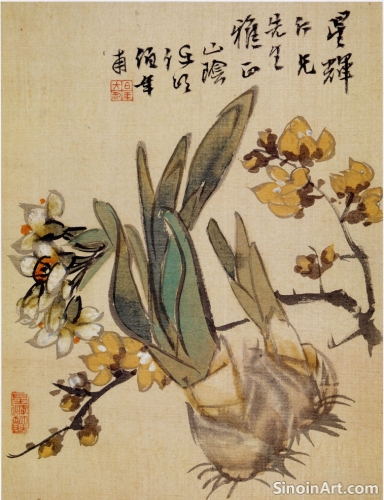 The meticulous detail that defines Gongbi painting is particularly evident in portraiture. Every line, every subtle change in color, is carefully rendered to accurately depict the subject’s features and expressions. The details, such as hair, clothing, and accessories, are rendered with remarkable realism. This creates a likeness that goes beyond just a simple representation of the subject. 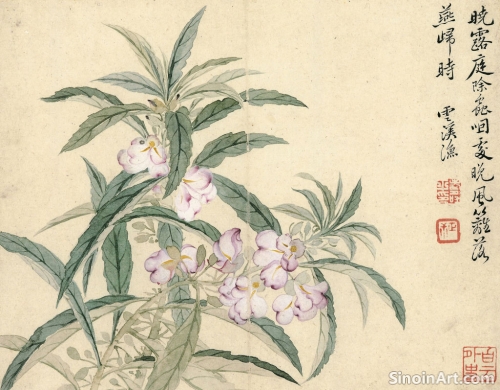 The use of line in Gongbi portraiture is essential for capturing the bone structure, muscle tone, and unique features of the face. The “gougou” method, with its precise outlines, is critical for achieving the accuracy and clarity that are hallmarks of the art form. The control of line is critical in capturing the defining characteristics of the subject.  Beyond mere likeness, Gongbi portraiture also aims to capture the inner essence of the subject. Through careful observation and understanding of the person’s character, the artist seeks to convey their personality, emotions, and state of mind. The use of subtle details and expression create a psychological impact on the viewer. The application of color is also crucial for conveying the mood and character of the subject. Delicate layers of color are used to create depth, volume, and a lifelike appearance. The specific color palette used often reflects the subject's personality and status. Gongbi portraiture is a demanding art form that requires a high level of skill and artistry. It is not merely about technical accuracy, but also about the artist's ability to connect with the subject and communicate their inner life through a visual representation. These portraits often require many sittings with the subject and an understanding of their character. |
Tag : Gongbi portraiture, Chinese portrait art, traditional portrait painting, figure painting, capturing likeness
Related information
- Color in Gongbi: Layering and Luminosity
- Gongbi and the Depiction of Water: Capturing the Flow and Spirit
- The Role of Line in Gongbi: The Foundation of Precision
- Gongbi Painting as a Form of Cultural Preservation
- Gongbi Painting and the Concept of "Shanshui"
This article explores the use of color in Gongbi painting, highlighting the "ranse" layering method, the use of mineral-based pigments, the process of creating luminous effects, and the overall importance of color in conveying mood and meaning.
This article explores the depiction of water in Gongbi painting, highlighting the techniques used to capture its flow and movement, the use of color to suggest its depth, symbolic significance, and how it enhances the overall sense of harmony and balance within the artwork.
Explores the critical role of line in Gongbi painting, detailing different types of lines and their contribution to the precision and expressiveness of the art.
This article explores the role of Gongbi painting as a form of cultural preservation, highlighting its function in documenting history, preserving traditional skills, and communicating cultural values, and ensuring that heritage is passed down for future generations.
This article explores the relationship between Gongbi painting and the concept of "Shanshui," highlighting the presence of core Shanshui principles, such as the balance of yin and yang, the detailed rendering of nature, and the integration of humans into the natural order within Gongbi landscapes.