Contemporary Name Seal Carving: Preserving Tradition and Embracing Innovation
|
Despite the rapid modernization of society, the art of name seal carving remains a vital part of Chinese culture. Contemporary seal carvers are dedicated to preserving the traditional techniques while also exploring new possibilities for artistic expression. This balance between tradition and innovation ensures that zhuanke continues to evolve and thrive in the modern world. Contemporary carvers are working to preserve the traditions, while also adapting them to modern sensibilities.  Many contemporary seal carvers adhere to the traditional techniques and principles of zhuanke, using the same tools, materials, and calligraphic styles as their predecessors. This commitment to tradition ensures the preservation of the art form's rich heritage. It is important to these modern artists to maintain the traditional practices, to ensure they are not lost.  At the same time, contemporary seal carvers are also exploring new avenues for creative expression. They are experimenting with new materials, techniques, and designs, pushing the boundaries of zhuanke and expanding its reach into the modern art world. Modern carvers explore new techniques and styles, while maintaining the core traditions of the art. 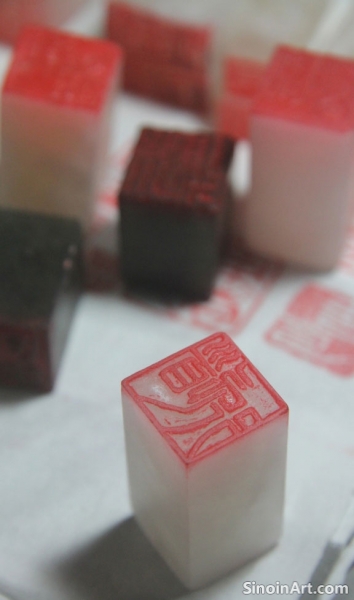 The rise of digital technology has also impacted contemporary seal carving. Some carvers are using digital tools to design and plan their seals, while others are experimenting with new materials and techniques made possible by technology. These innovations allow the carvers to explore new methods of artistic creation. Despite the changes and innovations, the core essence of zhuanke remains the same: to create a unique personal expression that reflects the individual's identity, values, and artistic sensibility. This connection to tradition ensures that the art remains relevant and meaningful. Contemporary seal carvers represent a continuation of a rich artistic tradition. By balancing the old with the new, they ensure that the art of name seal carving will continue to be a vibrant and integral part of Chinese culture for generations to come. They ensure that the traditions of seal carving continue to evolve, while maintaining the core values of the art form. |
Tag : Contemporary Seal Carving, Modern Zhuanke, Traditional Chinese Art, Artistic Innovation, Seal Art Today
Related information
- Collecting Name Seals: Understanding Value, Rarity, and Provenance
- Famous Seal Carvers in Chinese History: The Masters of Zhuanke
- The Use of Name Seals in Art and Calligraphy: Authentication and Expression
- The Use of Collector's Seals in Art Authentication and Provenance Research
- Notable Studio Seal Carvers and Their Contributions
This article provides a guide to collecting Chinese name seals, discussing how to assess their value, understand their rarity, and research their provenance, with tips on how to avoid forgeries.
Discover the lives and works of famous Chinese seal carvers throughout history. Learn about the contributions of masters like Zhao Mengfu, Wen Peng, and Qi Baishi to the art of zhuanke.
This article discusses the different ways name seals are used in Chinese painting and calligraphy, serving as both a mark of authentication and an integral part of the artwork’s overall aesthetic.
This article discusses the crucial role of collector's seals in art authentication and provenance research, exploring how these seals provide valuable information about the history of ownership and the authenticity of artworks.
This article highlights the achievements of notable studio seal carvers throughout history, discussing their unique styles, techniques, and the lasting impact they had on the tradition of zhāiguǎn yìnzhāng.