Collecting Name Seals: Understanding Value, Rarity, and Provenance
|
Collecting Chinese name seals can be a rewarding endeavor for those passionate about Chinese art and culture. However, it is important to understand the intricacies of the market, and be aware of value, rarity, and provenance. Knowing how to identify forgeries is an essential skill for those who collect Chinese seals. This knowledge is essential to become an effective and knowledgeable collector.  The value of a name seal is determined by a variety of factors, including the material, the quality of carving, the historical significance, the provenance, and the artist who created it. Seals made from rare materials, such as jade or specific types of stone, command higher prices. The skill and precision of the carving, as well as the style of calligraphy, also affect the value.  The provenance of a seal, or its history of ownership, is a crucial factor in determining its value. A seal that can be traced back to a famous artist, scholar, or historical figure is likely to be more valuable than an anonymous piece. Researching the provenance is an important part of the acquisition of any seal, antique or contemporary. 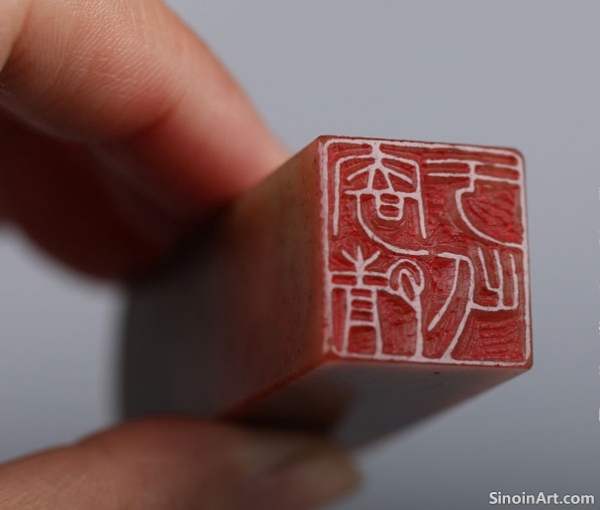 Rarity is another significant factor affecting the value of name seals. Seals created by renowned masters or those produced in small quantities tend to be more highly valued than common or mass-produced seals. It is important to do research on the materials and creators to determine a seal's rarity. Authenticity is another factor that collectors must address. The risk of encountering forged seals is high, as the market is not always clear. Collectors should be cautious and seek expert advice when making purchases. Understanding the techniques and traits associated with forgeries is critical in assessing the validity of a piece. Collecting name seals is not merely a financial investment; it is a journey into the rich and fascinating world of Chinese art and culture. By acquiring the knowledge to assess value, understand rarity, and research provenance, collectors can both appreciate the artistic merit of the piece, as well as ensure the continued preservation of this important cultural tradition. |
Tag : Collecting Chinese Seals, Seal Value, Seal Rarity, Seal Provenance, Antique Seal Collecting
Related information
- The Art of the Name Seal: An Introduction to Chinese Personal Seals
- The Materials of Collector's Seals
- Collecting Leisure Seals: Understanding Artistic and Cultural Value
- Famous Collectors and Their Seal Collections: A Legacy of Connoisseurship
- The Interplay of Calligraphy and Seal Carving: A Unified Art
This article introduces the concept of Chinese name seals, exploring their history, cultural significance, and the basic techniques involved in their creation.
The materials used to create collector's seals can range from the humble to the luxurious, reflecting the owner’s financial status and artistic preferences. The material used in a seal often serves to signify the wealth and prestige of the collector.
This article offers a guide to collecting leisure seals, with insights on assessing artistic value, understanding the importance of provenance, and navigating the market for these unique objects.
This article highlights the collections of famous Chinese art collectors throughout history and their use of collector's seals, exploring the impact of their patronage and connoisseurship on the art world.
This article explores the intertwined relationship between Chinese calligraphy and seal carving, highlighting how calligraphy serves as the foundation for seal designs and how the two art forms complement each other.