Yuan Ceramics and the Continued Production of Celadon Wares
|
While blue and white porcelain rose to prominence, celadon wares continued to be produced during the Yuan Dynasty, though often with some modifications in style and technique from the Song Dynasty. These later examples of celadon ware demonstrate the continuing importance of this style, even with the arrival of new design trends. 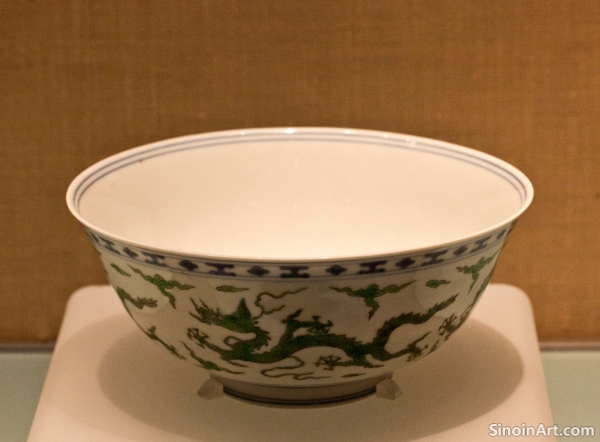 Yuan celadons are often characterized by their thicker glazes, deeper green hues, and more robust forms than their Song predecessors. The changes in form and glaze colour indicate an adaptation of previous styles. 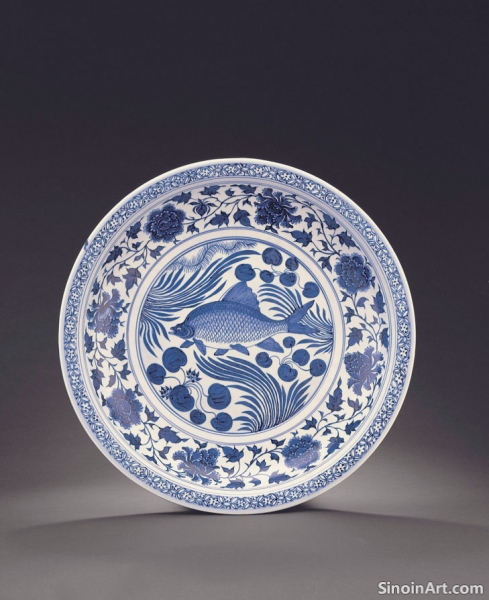 While the overall aesthetic became somewhat bolder, Yuan celadons often still retained the refined elegance and simplicity that had become synonymous with this type of pottery. The stylistic changes were not wholesale but instead built on previous styles and methods.  Longquan kilns continued to produce high-quality celadons, and this kiln region continued to be a central producer of high quality celadon throughout the Yuan period. The ongoing production of celadon wares during the Yuan Dynasty highlights the enduring appeal of this type of ceramic and its continued importance within the traditions of Chinese pottery. The continued influence of celadon production demonstrates the importance of stylistic continuity in the development of Chinese pottery. |
Tag : Yuan celadon, Chinese green glaze, Longquan kilns, Song influence, ancient pottery
Related information
- Yuan Ceramics and the Use of "Copper Red" (Revisited)
- Identifying Yuan Dynasty Porcelain: Key Characteristics and Distinguishing Features
- The Role of Kilns and Production Centers in Yuan Ceramics
- The Role of Trade Routes in Shaping Yuan Dynasty Porcelain Designs
- Yuan Dynasty Porcelain and the Tea Ceremony: Utilitarian Objects of Beauty
We touched on underglaze red earlier, but a deeper look at the specific use of copper red during the Yuan is valuable. The use of copper to achieve red tones in underglaze decoration was one of the most technically challenging techniques mastered by Yuan Dynasty potters, and the difficulty in the production of this colour makes surviving examples of Yuan period red pottery especially valuable.
This article provides a guide for identifying Yuan Dynasty porcelain by detailing key characteristics such as form, decoration, glaze, and body. It helps differentiate genuine pieces from later imitations.
The Yuan Dynasty's ceramic production was characterized by the emergence of Jingdezhen as the dominant center for porcelain, along with other important kilns like Longquan, and innovations in kiln technology, all of which contributed to the advancement of Chinese ceramic arts.
This article explores how the extensive trade routes of the Yuan Dynasty shaped the designs and motifs of its porcelain, highlighting the fusion of Chinese, Central Asian, and Islamic artistic influences.
This article examines the practical use of Yuan Dynasty porcelain in the tea ceremony, exploring how its utilitarian nature combined with aesthetic appeal, providing insights into its function as a daily object and a cultural artifact.