The Use of Bronze in Ancient Chinese Ritual Practice: Beyond Vessels and Symbols
|
While bronze vessels and weapons are often seen as the primary forms of bronze use in ritual settings, bronze was also used to create a variety of other objects that were important to ancient Chinese ritual practices, each serving their own important purpose. The range of bronze objects, and their uses, reveals the complex and varied nature of ancient Chinese spiritual and religious life. 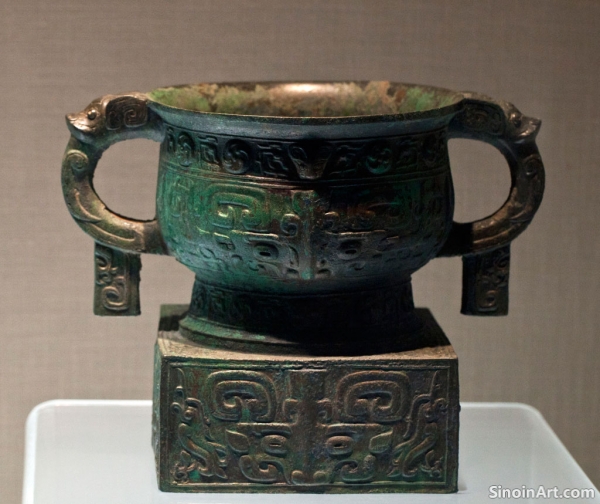 Bronze was used to create ritual implements, such as bells, chimes, and drums, which were used to produce music and sound that was believed to have special significance in communicating with spirits. These instruments were not only used to add music, but to generate specific sounds that held ritualistic meaning. The integration of music and ritual helped to set the tone for the ceremonies. 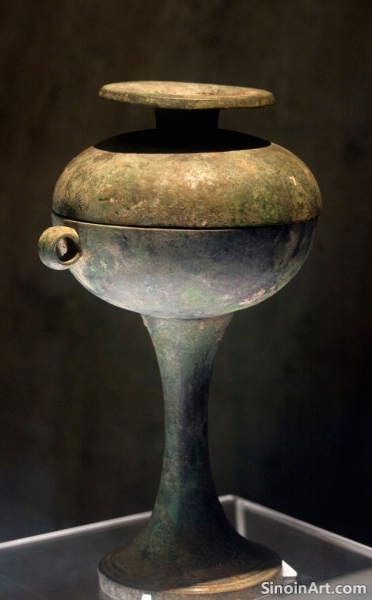 Bronze was also used to make ceremonial objects, such as masks, figurines, and decorative plaques, which served to create powerful visual impressions. The design of these pieces, which often included complex and highly symbolic designs, helped to create a compelling visual environment for ritual performances.  Bronze was used in the fabrication of ritualistic items such as mirrors, which were thought to have protective or spiritual powers. These bronze mirrors often served a double purpose of reflecting both physical forms and the spiritual aspects of the ritual performance. The study of bronze objects that go beyond the typical forms highlights the importance of this material in ancient Chinese ritual practices, emphasizing the rich and complex interactions between the material, the practical, and the spiritual. These objects all served vital purposes in the ancient world. |
Tag : bronze ritual, Chinese religious practice, ancient artifacts, ceremonial objects, spiritual beliefs
Related information
- The Use of Bronze in Ancient Chinese Textile Production: Tools and Decorative Elements
- Bronze Ware and the Influence of Ancient Chinese Philosophical Schools: Confucianism, Daoism, and Legalism
- The Evolution of Bronze Bell Design in China: From Simple Forms to Complex Chimes
- The Symbolic Significance of Bronze in Ancient Chinese Power Structures: Ritual, Authority, and Legitimacy
- The Influence of Ancient Chinese Bronze Ware on Later Japanese Art and Design
This article explores the use of bronze in ancient Chinese textile production, highlighting its role in creating tools like hooks and needles, decorative elements like buckles, and revealing the interplay of metalworking and textile craftsmanship.
This article explores how bronze ware was influenced by different schools of thought in ancient China, including Confucianism (order and ritual), Daoism (nature and spontaneity), and Legalism (authority and order), and demonstrating how these philosophies shaped both design and usage.
This article explores the evolution of bronze bell design in China, highlighting the transition from simple bells to complex bianzhong chimes, the development of tuning techniques, and their significance in both music and ritual.
This article explores the symbolic significance of bronze in ancient Chinese power structures, highlighting its role in ritual practices, its symbolism of authority and legitimacy, and its use by rulers to consolidate political control.
This article explores the influence of ancient Chinese bronze ware on later Japanese art and design, highlighting the adoption of Chinese forms and techniques, the development of unique Japanese styles, and the impact of cultural exchange on creative expression.