The Use of Bronze in Ancient Chinese Astronomical Instruments: Innovation and Precision
|
The creation of astronomical instruments in ancient China involved a remarkable level of skill and technical knowledge, with bronze used to create a variety of devices that were used for observation, measurement, and the tracking of celestial movements, demonstrating an appreciation for both scientific knowledge and also artistic creation. The careful use of bronze in these objects was designed to produce both accurate and also durable instruments. The blend of practicality and precision is a key element in ancient Chinese scientific instruments. 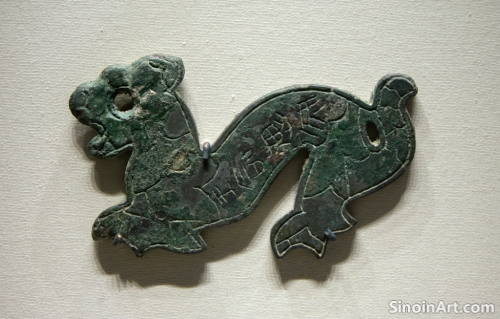 Bronze was used to create armillary spheres, which depicted the positions and movements of celestial bodies, and were key in both mapping the heavens and in also understanding their movements. These complex devices were a testament to both technical innovation and scientific understanding. The careful crafting of these devices also highlights the skill and artistry of the people who designed them. 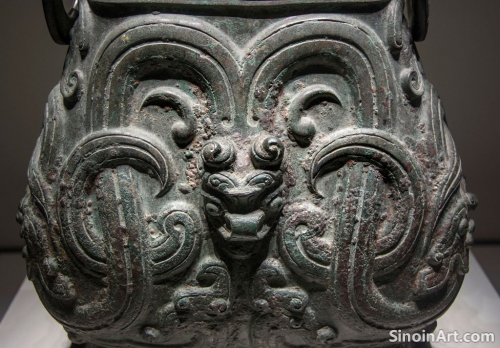 Bronze sundials and other timekeeping devices were also essential for astronomical observations, and also for the development of calendars and recording the passage of time. The design of these objects reflects both scientific knowledge and also artistic skill. The combination of art and science was an important aspect of ancient Chinese instruments of all types. 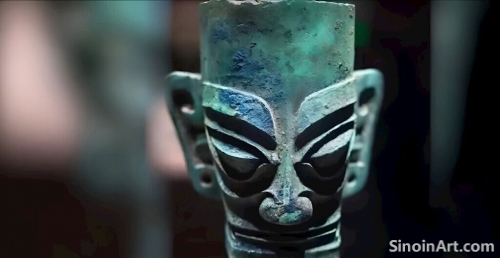 The use of bronze in these instruments was essential for creating devices that were not only accurate but also durable, withstanding the rigors of use and the passage of time. The instruments that were created during this period helped to advance the science of astronomy and to further illuminate the mysteries of the cosmos. The long lasting and accurate instruments helped to shape and influence scientific practices for centuries to come. |
Tag : bronze astronomical tools, Chinese instruments, scientific methods, time measurement, celestial observation
Related information
- The Impact of Bronze Ware on Ancient Chinese Society: A Social Perspective
- Bronze Vessels and the Concept of "Li" in Ancient China: Ritual Order and Social Harmony
- Bronze Ware and the Transmission of Ancient Chinese Technical Knowledge: Tools, Techniques, and Innovation
- Bronze Ware and Ancient Chinese Law: Authority, Justice, and Codification
- The Modern Use of Chinese Bronze Ware: Reinterpretations and Artistic Influence
This article examines the impact of bronze ware on ancient Chinese society, exploring its role in shaping social structures, political power, and religious beliefs, and demonstrating its profound influence on various aspects of ancient life.
This article explores the connection between bronze vessels and the concept of li (禮) in ancient China, emphasizing how the proper use of vessels in rituals reinforced social order, hierarchy, and contributed to maintaining social harmony.
This article explores the transmission of technical knowledge through the production of bronze ware in ancient China, highlighting the process of apprenticeship, the mastery of materials, the development of techniques, and how this knowledge shaped other forms of technical and artistic innovation.
This article explores the use of bronze in ancient Chinese law, highlighting its role in codifying legal principles, disseminating decrees, and symbolizing judicial authority, revealing the interconnectedness of law, power, and material culture.
This article explores the modern use of Chinese bronze ware, highlighting how contemporary artists and designers reinterpret and adapt its forms and motifs, blending ancient traditions with modern aesthetics, showcasing the enduring influence of these powerful works.