The Legacy of Pu-erh: A Tea That Ages Like Fine Wine
|
Pu-erh tea, a unique variety from the Yunnan province of China, stands out for its remarkable aging potential. Unlike other teas that are best consumed shortly after processing, Pu-erh undergoes a fermentation process that allows it to evolve in flavor over time. This gives it the characteristics often found in aged wines – depth, complexity, and a smoothness that develops with years of careful storage.  There are two main types of Pu-erh tea: Sheng (raw) and Shou (ripe). Sheng Pu-erh is traditionally fermented through natural microbial processes and can take many years to reach its full potential, developing earthy and fruity notes. Shou Pu-erh, on the other hand, is an accelerated fermentation process that results in a more immediate, darker, and smoother flavor profile, reminiscent of a rich, dark soil. The production of both is a careful process involving the sun-drying of leaves, compression into cakes or bricks, and then the fermentation stage, which might last months or even years. 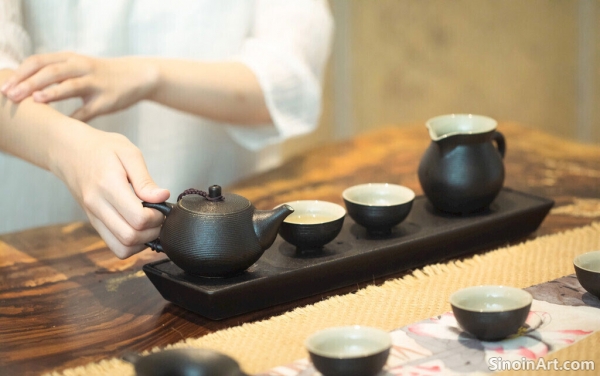 The history of Pu-erh tea is intertwined with the trade routes of ancient China. It was often transported long distances across mountainous terrains and often aged in the process, which contributed to the discovery of its unique qualities. The practice of aging Pu-erh has transformed tea from a simple beverage to a valuable commodity, often traded like vintage wines. 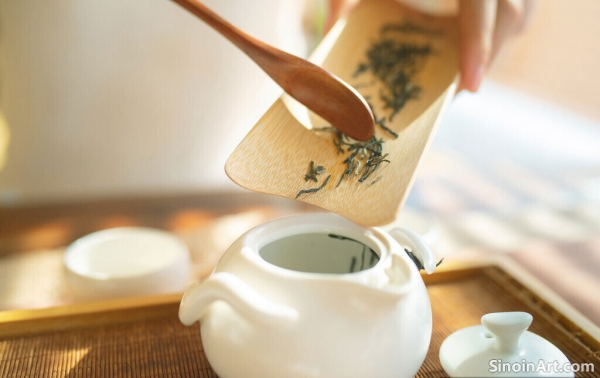 Today, both Sheng and Shou Pu-erh teas are prized by tea enthusiasts worldwide. The art of aging Pu-erh is a nuanced practice, influenced by storage conditions like temperature, humidity, and airflow. Collectors seek out aged Pu-erh for its unique flavor profile and the potential for increasing value over time. In conclusion, Pu-erh tea embodies the concept of time and transformation. Its journey from a fresh leaf to a complex, aged beverage highlights the unique alchemy of tea production and aging. It offers tea lovers an exceptional experience unlike any other and is a reminder of the depth of Chinese tea culture. |
Tag : aged tea, Chinese fermented tea
Related information
- The Health Benefits of Chinese Tea: More Than Just a Beverage
- The Tea Scoop and Other Tools: Details Matter
- The Tea Pitcher (Chahai): Balancing and Sharing Tea
- Tea and Health: Exploring the Wellness Benefits of Chinese Tea
- The Bold Flavors of Black Tea: Exploring Hong Cha
Learn about the numerous health benefits of Chinese tea. Discover how different varieties, such as green, black, and Pu-erh, contribute to overall well-being with their antioxidants and other beneficial compounds.
This article focuses on the smaller but significant tools in Chinese teaware, such as the tea scoop, tea tongs, tea cloths, and other accessories, highlighting their function and importance in the tea preparation process.
This article explores the function and significance of the tea pitcher, or chahai, in Chinese tea brewing, highlighting its role in balancing the strength of the brew and facilitating the sharing of tea.
This article examines the various health benefits associated with drinking Chinese tea, discussing its antioxidant properties, potential impact on cardiovascular health, and its overall contribution to well-being.
This article explores the world of Chinese black tea (Hong Cha), examining its history, unique characteristics, and popular varieties, and offering brewing suggestions.