The Bold Flavors of Black Tea: Exploring Hong Cha
|
Chinese black tea, known as Hong Cha (红茶) in China, is appreciated for its bold flavors, rich aromas, and unique history. Unlike green tea, black tea is fully oxidized, resulting in its characteristic dark color and robust taste. Exploring the different types of black tea available, and understanding the basics of brewing, will allow anyone to enjoy its many benefits. 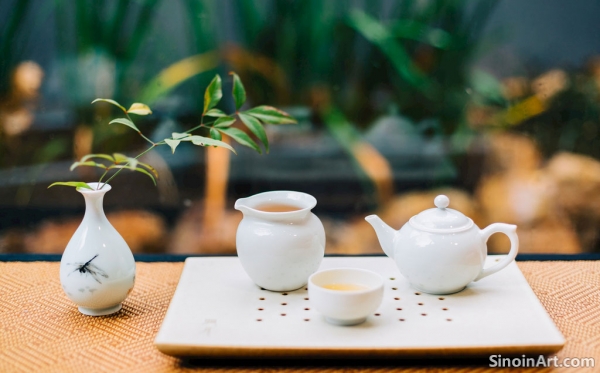 The history of black tea in China is relatively recent compared to that of green tea, emerging during the Qing Dynasty. Black tea was originally created for export to European markets, and this export trade was a major part of the cultural and economic relationship between Europe and China. Over time, it developed its own unique characteristics and local brewing techniques.  Some of the most popular Chinese black tea varieties include Dian Hong from Yunnan, and Qi Hong from Anhui. These types are known for their unique flavors, ranging from chocolate and malt to fruit and honey. Each type is developed in its own unique geographic region, which greatly affects its final flavor profile.  Brewing black tea is a simple process, requiring the use of fresh water, higher temperatures, and longer steeping times than green tea. The brewing process is essential to bringing out the best flavors in the tea leaves. It is important to experiment with water temperature, steeping time, and the amount of tea leaves being used, to produce the best cup. Black tea is a versatile beverage that can be enjoyed plain or with milk and sugar. It pairs well with a variety of foods, making it a great choice for any time of day. The range of black teas available makes it possible to find a black tea to suit everyone's taste. |
Tag : Chinese Black Tea, Hong Cha, Black Tea Types, Brewing Black Tea, Black Tea Flavors
Related information
- The Refreshing World of Green Tea: Health Benefits and Brewing Tips
- White Tea: The Minimalist Approach to Tea Processing
- Maintaining Your Teaware: Cleaning and Care Tips
- Decoding the Types: A Guide to Chinese Tea Varieties
- The Tea Pitcher (Chahai): Balancing and Sharing Tea
This article focuses on green tea, discussing its health benefits, popular varieties, and offering practical tips for brewing the perfect cup.
Discover the world of white tea, a delicate and minimally processed Chinese tea. Learn about its harvesting, processing, and the delicate flavors that make it a unique and prized beverage.
This article provides practical guidance on the proper cleaning and care of Chinese teaware, emphasizing the importance of maintaining its beauty, functionality, and the quality of its use over time.
This article explores the diverse range of Chinese tea varieties, categorizing them by processing method and highlighting their unique characteristics, flavors, and aromas.
This article explores the function and significance of the tea pitcher, or chahai, in Chinese tea brewing, highlighting its role in balancing the strength of the brew and facilitating the sharing of tea.