The Historical Evolution of Studio Seals: From Early Beginnings to Modern Use
|
The history of studio seals is intertwined with the broader history of Chinese seal carving, though the studio seal as a distinct type developed more gradually. The emergence of the studio seal mirrors the growing importance of personal spaces for creativity and scholarship. Tracing this development provides an understanding of the cultural context of this unique art form. 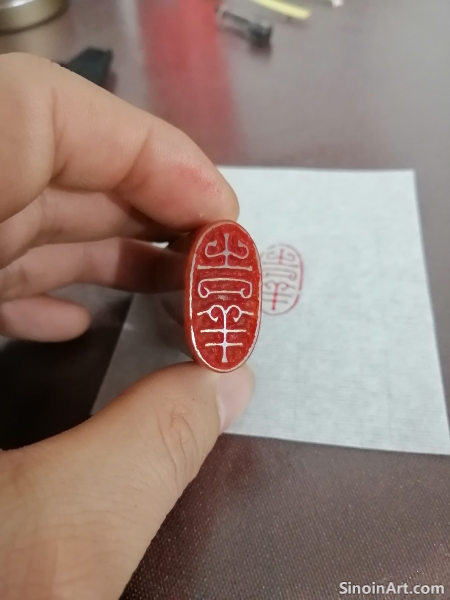 Early forms of studio seals can be traced back to the Han Dynasty, where seals were increasingly used to mark ownership. The seals began to take on symbolic meanings of both power and prestige, which later became incorporated into the designs of studio seals. The use of seals to mark ownership started early in Chinese history. 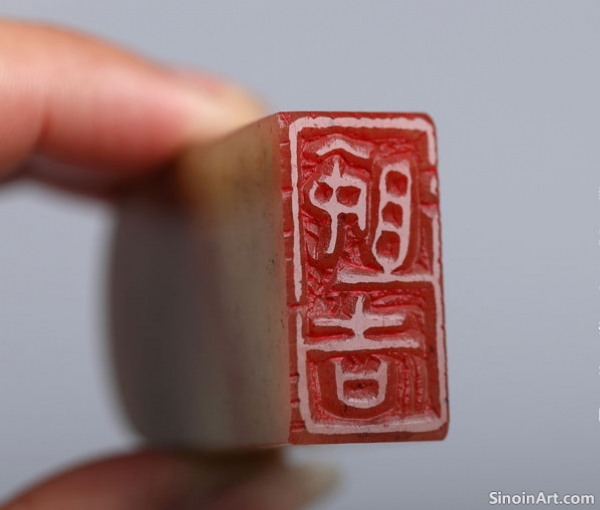 During the Tang and Song dynasties, as the concept of personal studios and literary gatherings gained popularity, studio seals began to take on a more distinct identity. The designs became more elaborate, with inscriptions that reflected the owner’s personal tastes and intellectual interests. The seals began to take on meanings beyond mere ownership, and were used to express artistic and intellectual ideals.  The Ming and Qing dynasties saw a significant flourishing of studio seal carving, with master seal carvers creating works of exceptional beauty and complexity. Studio seals were not only functional tools but also valued pieces of art. The seals became important status symbols, as well as works of art. In the modern era, the tradition of studio seal carving continues to be practiced and appreciated. Contemporary artists draw inspiration from the past while also experimenting with new materials, techniques, and designs, ensuring the continued vitality of this ancient art form. The traditions have continued to evolve, but the core concepts and practices are still vital to the art form. The historical evolution of studio seals is a testament to the enduring value placed on intellectual pursuits and artistic expression in Chinese culture. From their early origins to their contemporary use, studio seals continue to embody the unique spirit of their owners and the spaces they represent. They continue to be a symbol of both ownership and of artistic and scholarly ideals. |
Tag : History of Studio Seals, Evolution of Zhaiguan Seals, Ancient Studio Seals, Modern Seal Art, Seal Timeline
Related information
- The Historical Evolution of Name Seals: From Ancient Origins to Modern Practice
- The Significance of Studio Seals: An Introduction to Zhaiguan Yinzhang
- Design Elements of Collector's Seals: Composition and Visual Language
- Leisure Seals: A Personal Journey Through Carving and Collecting
- Notable Studio Seal Carvers and Their Contributions
This article traces the historical development of name seals in China, from their early origins to their continued practice in modern times, highlighting key changes and developments in their design and usage.
This article introduces the concept of Chinese studio seals, exploring their historical context, cultural significance, and how they differ from personal name seals.
This article discusses the design elements of collector's seals, exploring how composition, borders, patterns, and pictorial elements contribute to the seal's visual language and its overall artistic impact.
This article reflects on the personal journey of those who engage with leisure seals, exploring the creative process of carving, the joy of collecting, and the deep personal meaning these objects hold.
This article highlights the achievements of notable studio seal carvers throughout history, discussing their unique styles, techniques, and the lasting impact they had on the tradition of zhāiguǎn yìnzhāng.