The Heart of the Set: Exploring Chinese Teapots
|
The Chinese teapot is more than just a vessel for brewing tea; it is a highly prized object and an integral part of the tea-drinking experience. Teapots come in a wide variety of materials, shapes, and sizes, each designed to enhance the specific qualities of different types of tea. The teapot is central to the brewing process, and often has both practical and aesthetic value.  Yixing clay teapots are particularly well-known and highly sought after for their porous nature, which is believed to enhance the flavor of tea. These teapots are made from unique clay found in the Yixing region of China. The unique composition of the clay allows the pots to become seasoned over time, adding to their value. 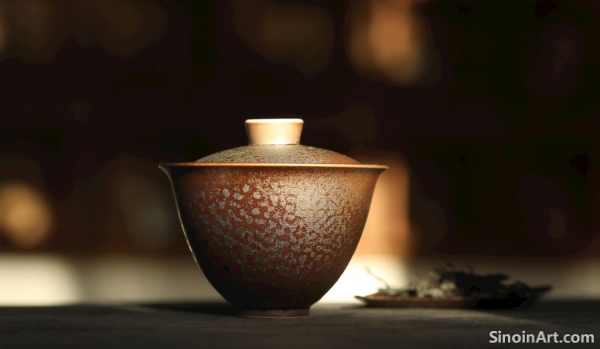 Other common teapot materials include porcelain, stoneware, and glass. Each material offers its own unique aesthetic and functional qualities. Porcelain teapots are often chosen for their smooth surface and ability to maintain the purity of the tea’s flavor, while glass teapots provide a visual experience as the tea steeps. The choice of material is based on both practical and artistic considerations.  The shape of a teapot can also influence the brewing process. Round teapots tend to be used for teas that need more space to infuse, while smaller, more angular teapots are ideal for more delicate teas. The size, shape, and style of a teapot all have an impact on the taste of the tea it is used to prepare. Choosing the right teapot is an important step in enhancing the tea-drinking experience. It’s also an opportunity to appreciate the artistry and tradition that goes into the making of these essential pieces of teaware. The selection of teapots is an important part of the art of tea, and also reflects personal taste and style. |
Tag : Chinese Teapots, Yixing Teapots, Tea Brewing, Teapot Materials, Teapot Designs
Related information
- The Future of Chinese Tea: Balancing Tradition and Innovation
- The Refreshing World of Green Tea: Health Benefits and Brewing Tips
- White Tea: The Minimalist Approach to Tea Processing
- The Variety of Chinese Teas: A Journey Through Flavors and Regions
- The Delicate Art of Green Tea Production in China
Explore the future of Chinese tea and how it balances tradition with innovation. Discover the trends shaping the tea industry, from sustainable farming to modern technology, and how they ensure the longevity and relevance of Chinese tea culture.
This article focuses on green tea, discussing its health benefits, popular varieties, and offering practical tips for brewing the perfect cup.
Discover the world of white tea, a delicate and minimally processed Chinese tea. Learn about its harvesting, processing, and the delicate flavors that make it a unique and prized beverage.
Embark on a journey through the vast world of Chinese tea varieties, exploring the unique characteristics of green, black, oolong, white, and dark teas, and the regions where they originate.
Explore the delicate art of Chinese green tea production, from harvesting to processing. Learn about the different methods and why the timing of the harvest is critical for flavor and quality.