The Influence of the Mongol Empire on Yuan Ceramics
|
The Yuan Dynasty was established by the Mongol Empire, and this period of Mongol rule had a subtle yet significant impact on the development of Chinese ceramics, particularly in terms of its trade networks and the cultural exchange that occurred during this period, and the influence of the Mongol Empire is visible in various aspects of the production and design of Yuan pottery. 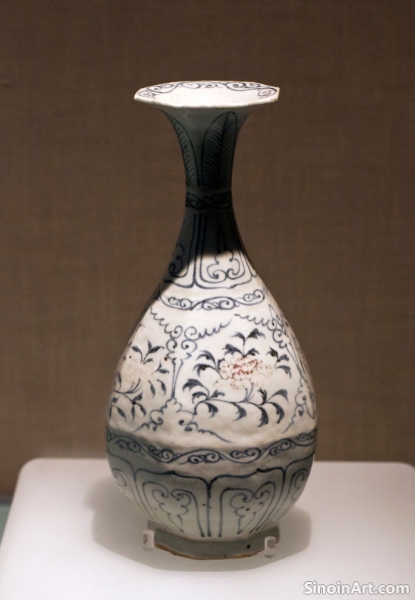 The Mongol Empire's vast trade network facilitated the exchange of materials, such as cobalt for blue and white porcelain, and cultural ideas, which influenced the designs and decorations of Yuan ceramics. The access to new materials and ideas from around the world had a direct impact on the styles and forms that were popular during this period. 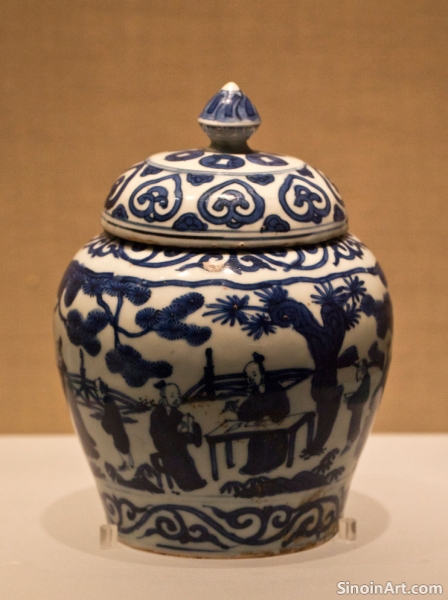 The Mongol rulers' appreciation for robust, practical designs may have contributed to the larger scale and more utilitarian forms seen in some Yuan ceramics. The practicality of use was clearly valued, which meant that many pieces were both beautiful and functional. 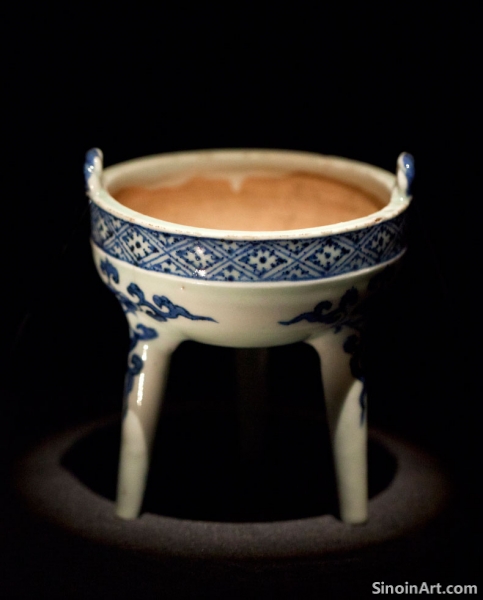 The introduction of new motifs and decorative elements, such as certain types of floral patterns and animal representations, may also reflect the influence of Mongol aesthetics. The unique blending of Mongol and Chinese aesthetics contributed to the development of a new and unique approach to Chinese pottery production. The impact of the Mongol Empire on Yuan ceramics demonstrates the interconnectedness of political power, trade, and artistic development during this period in Chinese history. |
Tag : Mongol influence, Yuan Dynasty art, Chinese ceramics, cobalt trade, cultural exchange
Related information
- Beyond Blue and White: Exploring Other Glazes and Techniques of Yuan Dynasty Porcelain
- The Role of Yuan Dynasty Porcelain in Funeral and Burial Practices
- The Challenges of Authenticating Yuan Dynasty Porcelain: A Collector's Guide
- Understanding the Motifs and Symbolism in Yuan Dynasty Porcelain Decoration
- Forms and Decoration: Exploring Yuan Dynasty Porcelain Aesthetics
This article goes beyond blue and white, exploring other glazes and techniques used in Yuan Dynasty porcelain, including monochrome glazes, copper red, and various decorative methods.
This article explores the use of Yuan Dynasty porcelain in funeral and burial practices, examining its significance as grave goods intended to accompany the deceased, providing insights into Yuan beliefs about death, the afterlife, and the symbolic meaning of these ceramics.
This article provides a guide for collectors on the challenges of authenticating Yuan Dynasty porcelain. It discusses key factors such as form, decoration, glaze, and the importance of provenance in ensuring authenticity.
This article explores the symbolism and cultural meanings behind the decorative motifs found on Yuan Dynasty porcelain, such as floral, animal, geometric, and figural designs, offering a deeper understanding of the era's culture.
This article examines the distinct forms and decorative techniques of Yuan Dynasty porcelain, including its large shapes, bold motifs (floral, dragons), and underglaze painting. It reveals the artistic dynamism of the era.