Yuan Ceramics and the Continuing Evolution of Porcelain
|
The Yuan Dynasty was a period of continued evolution in the development of porcelain, with potters making advancements in the use of materials, glaze formulations, and firing techniques. The Yuan period laid the groundwork for the eventual innovations of the Ming and Qing eras, and it shows the continued development of pottery traditions that had been developed over centuries in China. 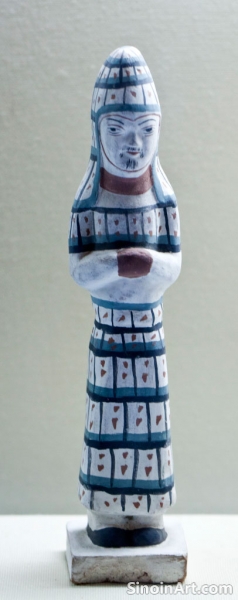 The development of a finer kaolin clay resulted in a whiter and more translucent porcelain body, which allowed for the greater vibrancy of underglaze decoration techniques. 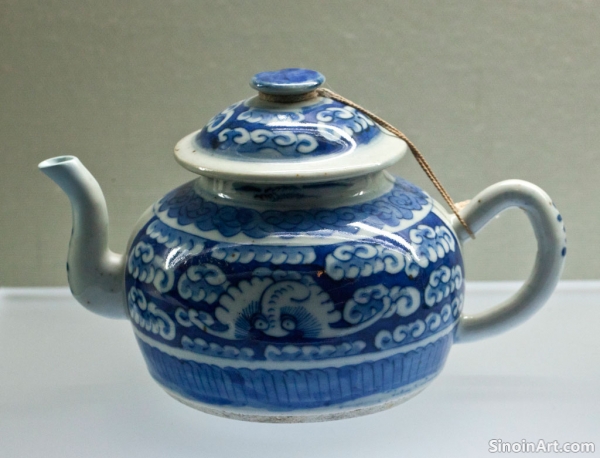 The introduction of new glazes and pigments, such as cobalt for blue and white porcelain and copper for underglaze red, expanded the range of decorative possibilities and the beauty and depth of colour.  The higher firing temperatures achieved during the Yuan Dynasty resulted in a harder, more durable porcelain that was better suited for export and long-term use. The increased durability of porcelain made it a more valuable and marketable trade commodity. The continuing evolution of porcelain during the Yuan Dynasty laid the groundwork for the technical and artistic achievements of later periods in Chinese ceramic history, and is essential to understanding the ongoing development of Chinese ceramics over time. |
Tag : Yuan porcelain evolution, Chinese pottery history, ancient ceramics, porcelain techniques, Ming influence
Related information
- The Use of Yuan Dynasty Porcelain as Status Symbols and Markers of Power
- Collecting and Preserving Yuan Dynasty Porcelain: Challenges and Considerations
- Understanding the Rarity and Value of Yuan Dynasty Porcelain
- Beyond Blue and White: Other Yuan Ceramic Styles
- Yuan Dynasty Porcelain and the Development of Korean Celadon Wares: A Symbiotic Relationship
This article examines the role of Yuan Dynasty porcelain as a status symbol and marker of power, analyzing how its ownership, display, and use as gifts demonstrated wealth, prestige, and social standing within Yuan society.
This article discusses the challenges and considerations associated with collecting and preserving Yuan Dynasty porcelain, highlighting issues of authentication, ethical acquisitions, and proper conservation.
This article explains the rarity and high value of Yuan Dynasty porcelain by highlighting factors such as the short duration of the dynasty, technical difficulties in production, and its significant historical and cultural importance.
Beyond blue and white, the Yuan Dynasty also produced diverse ceramic styles like Shufu ware, Cizhou ware, and Longquan celadon, demonstrating the breadth of creative output and technical expertise during the era.
This article explores the symbiotic relationship between Yuan Dynasty porcelain and Korean Celadon wares, examining how Yuan innovations influenced Celadon development while acknowledging the reciprocal influence of Korean techniques on certain aspects of Chinese ceramics.