The Forms and Shapes of Yuan Dynasty Ceramics
|
The forms and shapes of Yuan Dynasty ceramics are as distinctive as their decorative styles. Yuan vessels are known for their large sizes and robust construction. These objects were made for both practical use and to display prestige. The scale of the pottery production of the era was immense. 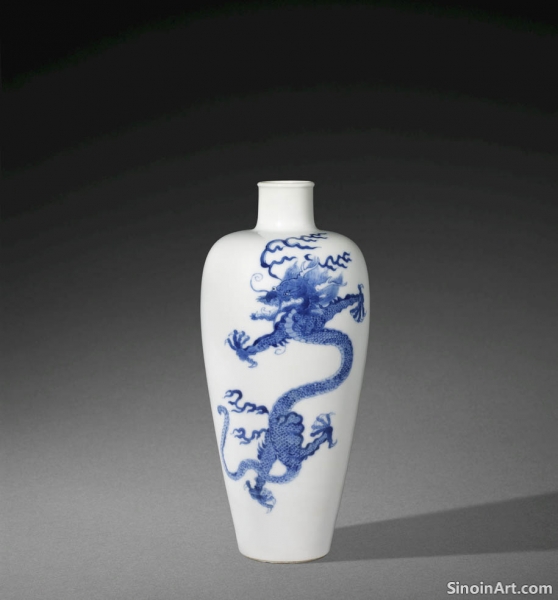 Large dishes, platters, and basins were a common feature of Yuan ceramic production. These were often decorated with intricate blue and white designs. These pieces reflect the social and economic scale of the Yuan era. They were both functional and highly decorative. 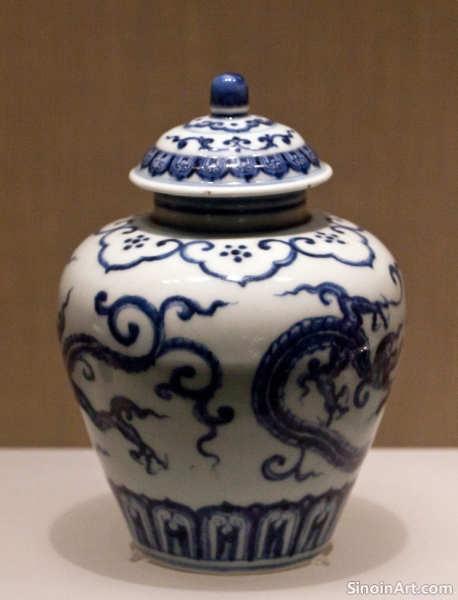 The "Meiping" vase, with its tall, slender shape, is a classic form that became prominent during the Yuan Dynasty. These vessels, often decorated with complex designs, were used for a variety of purposes, both domestic and ceremonial. The Meiping is an instantly recognizable piece of Yuan pottery. 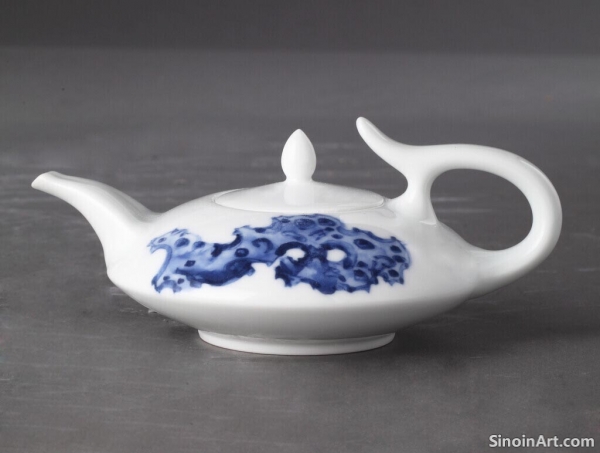 Ewers, covered jars, and other vessels designed for practical use were also widely produced. These everyday objects were made to a high standard and were often decorated with care. Yuan potters created pieces for a range of functions. The forms of Yuan ceramics reflect both the functional needs of the society and the artistic preferences of the time. The scale and construction of these pieces show the dynamism and confidence of the era. The shapes are integral to the aesthetic impact of the era’s pottery. |
Tag : Yuan Dynasty forms, Ceramic shapes, Meiping vase, Chinese pottery, Yuan Dynasty vessels
Related information
- The Use of Yuan Dynasty Porcelain in Interior Design and Decoration
- The Influence of the Mongol Empire on Yuan Ceramics
- The Significance of Yuan Dynasty Porcelain in Chinese Art History
- The Development of the Cobalt Underglaze Technique
- The Use of Molded and Applied Decoration on Yuan Dynasty Porcelain
This article explores how Yuan Dynasty porcelain, both original pieces and reproductions, can be used in interior design to add a sense of historical elegance, artistic depth, and a focal point to living spaces.
The Yuan Dynasty was established by the Mongol Empire, and this period of Mongol rule had a subtle yet significant impact on the development of Chinese ceramics, particularly in terms of its trade networks and the cultural exchange that occurred during this period, and the influence of the Mongol Empire is visible in various aspects of the production and design of Yuan pottery.
This article explores the historical significance of Yuan Dynasty porcelain, highlighting its innovations, its impact on trade and cultural exchange, and its role in the broader context of Chinese art history.
The Yuan Dynasty mastered the cobalt underglaze technique, a pivotal ceramic innovation that allowed for intricate, controlled blue designs on porcelain, impacting later Chinese ceramics and global techniques.
This article explores the use of molded and applied decoration in Yuan Dynasty porcelain, highlighting how these techniques added texture and visual interest to pieces, showcasing the versatility of Yuan ceramics beyond underglaze painting.