The Development of the Cobalt Underglaze Technique
|
The Yuan Dynasty saw a pivotal development in ceramic technology: the mastering of the cobalt underglaze technique. This technique, which involves painting designs onto the porcelain body with cobalt oxide before applying the glaze, was crucial for the emergence of blue and white porcelain. The development of the cobalt technique was a major technical accomplishment. 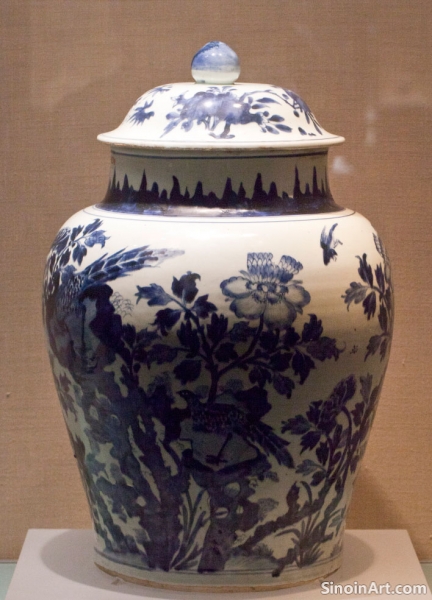 The use of cobalt oxide as a coloring agent was not new; however, the Yuan potters perfected the method of applying the pigment and firing it to achieve a deep, vibrant blue color. The Yuan potters learned how to work with cobalt to create stunning and lasting works of art. This technique proved itself very stable in the kiln. 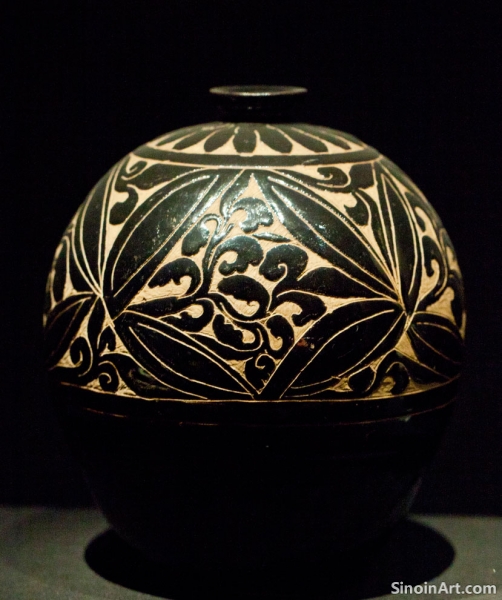 The sourcing of cobalt was also crucial for this development. Much of the cobalt used during the Yuan period came from Persia, highlighting the importance of international trade for ceramic innovation. The reliability of supply played a huge role in the growth of the blue and white industry. 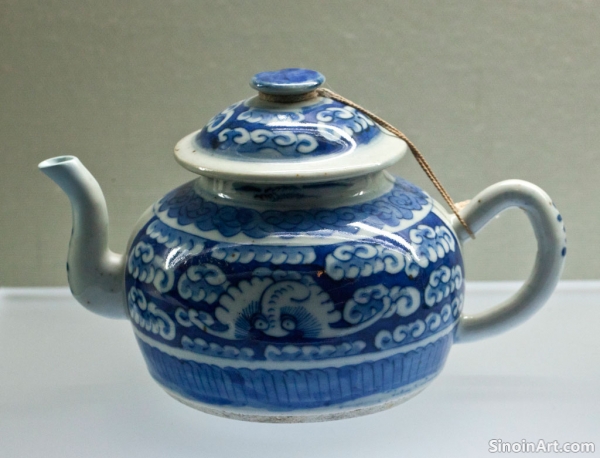 The cobalt underglaze technique allowed for the creation of intricate designs and the precise control of color. This allowed for a much higher degree of design freedom and artistic experimentation. This innovation opened up new possibilities in terms of decoration. The enduring legacy of the cobalt underglaze technique lies in its impact on later Chinese ceramics and its continued use around the world. It remains a fundamental part of many ceramic traditions around the world to this day. The mastery of this technique is a pivotal event in ceramic history. |
Tag : Cobalt underglaze, Yuan Dynasty, Blue and white, Ceramic technique, Chinese porcelain
Related information
- The Role of Trade Routes in Shaping Yuan Dynasty Porcelain Designs
- The Economics of Yuan Dynasty Porcelain Production and Distribution
- The Grand Scale of Yuan Dynasty Porcelain
- Yuan Dynasty Porcelain and the Development of Korean Celadon Wares: A Symbiotic Relationship
- Yuan Dynasty Ceramics and the Global Trade Network
This article explores how the extensive trade routes of the Yuan Dynasty shaped the designs and motifs of its porcelain, highlighting the fusion of Chinese, Central Asian, and Islamic artistic influences.
This article explores the economic aspects of Yuan Dynasty porcelain production and distribution, detailing the large-scale operations at Jingdezhen, the extensive trade networks, and the economic impact of porcelain on the Yuan Dynasty.
One of the defining characteristics of Yuan Dynasty ceramics is their large scale. Many pieces, particularly those produced for export or for use in large public settings, were made in impressive sizes that were much larger than those of the preceding Song Dynasty. The larger pieces show a different approach to production and a change in aesthetic sensibility.
This article explores the symbiotic relationship between Yuan Dynasty porcelain and Korean Celadon wares, examining how Yuan innovations influenced Celadon development while acknowledging the reciprocal influence of Korean techniques on certain aspects of Chinese ceramics.
Yuan Dynasty ceramics were widely exported globally, playing a major role in trade networks and disseminating Chinese culture, art, and innovation, while simultaneously influencing overseas markets and prompting ceramic innovation.