The Craftsmanship Behind Chinese Bronze Ware: Techniques and Methods
|
The creation of Chinese bronze ware represents a remarkable achievement in ancient metallurgy and craftsmanship. The techniques and methods used to create these intricate objects required a high level of skill, knowledge, and dedication. The complexity and level of artistry is impressive to consider even today. 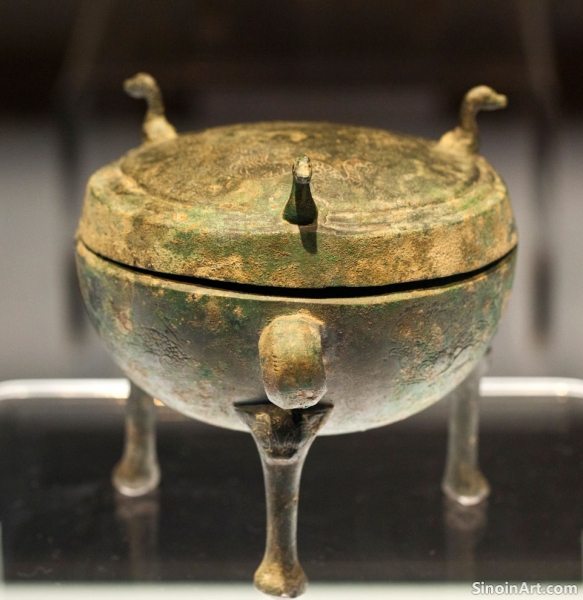 The primary method of bronze casting in ancient China was the lost-wax casting process, which involved the creation of a clay model, which was covered in clay before the original wax mold was melted out. The molten bronze was then poured into the hollow created by the lost wax and this allowed for the creation of complex shapes. The method of lost-wax casting allowed for the creation of highly complex and beautiful works of art. 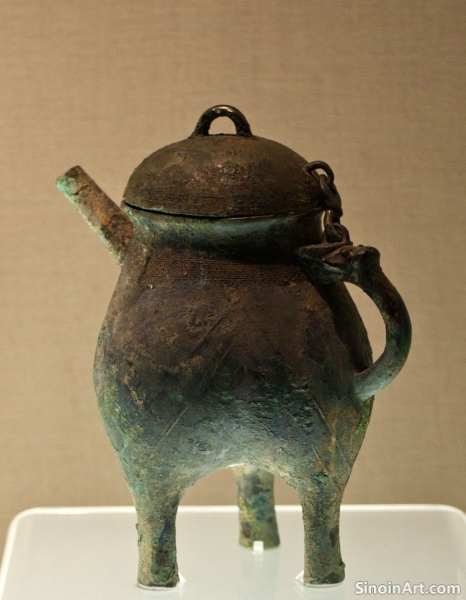 The bronze itself was an alloy of copper and tin, and sometimes lead, with the precise proportions of each metal carefully controlled to achieve specific qualities. The mixing of these metals in precise proportions required a great degree of both knowledge and experience. These careful controls produced a consistent final product.  The creation of intricate designs on bronze ware involved a combination of molding, carving, and engraving techniques, each requiring immense precision and artistic flair. The ability to create beautiful and intricate patterns demonstrates the skill and dedication of the bronze workers. The legacy of the ancient Chinese bronze workers continues to inspire awe and admiration, showcasing the ingenuity and technical mastery of the ancient world. Their skill helped to produce objects of both great beauty and great power. |
Tag : bronze casting techniques, lost-wax casting, Chinese metallurgy, ancient craftsmanship, bronze art
Related information
- The Influence of Bronze Ware on Ancient Chinese Clothing and Adornment: Jewelry, Belt Hooks, and Ornaments
- The Legacy of Chinese Bronze Ware: Its Influence on Later Art Forms
- The Preservation of Bronze Ware Collections: Challenges, Strategies, and Long-Term Care
- The Use of Bronze in Ancient Chinese Maritime Navigation: Compass Design and Directional Tools
- Bronze Ware and the Ancient Chinese Understanding of Material Science: Alloys, Properties, and Applications
This article explores the use of bronze in ancient Chinese clothing and adornment, highlighting the creation of jewelry, belt hooks, buckles, and other decorative elements, and demonstrating the integration of art, fashion, and social expression.
This article explores the enduring legacy of Chinese bronze ware, highlighting its influence on later forms of Chinese art, including ceramics, painting, and sculpture, with particular emphasis on the enduring impact of bronze forms, motifs, and aesthetic principles.
This article explores the challenges and strategies involved in preserving bronze ware collections, highlighting the importance of conservation, specialized techniques, environmental controls, and museums as stewards of these cultural treasures.
This article explores the use of bronze in ancient Chinese maritime navigation, highlighting its role in creating compasses, sighting devices, and other instruments, and demonstrating how these tools were used to facilitate long-distance sea travel.
This article explores the connection between bronze ware and ancient Chinese material science, highlighting the understanding of alloys, their properties, and their applications, and demonstrating the technical expertise of the ancient metalworkers.