Famous Collectors and Their Seal Collections: A Legacy of Connoisseurship
|
The history of art collecting in China is intertwined with the stories of the collectors themselves. Many of the most famous collectors throughout Chinese history have used collector’s seals to mark their collections and leave a lasting legacy of their taste and patronage. Their seal collections reflect both their personal tastes, and their historical context.  Emperor Huizong of the Song Dynasty was a renowned collector and patron of the arts, and his collection included numerous seals which have become highly valuable and important pieces of art. His interest in art greatly influenced art production during the Song dynasty. His collecting habits and approach have also influenced subsequent collectors. 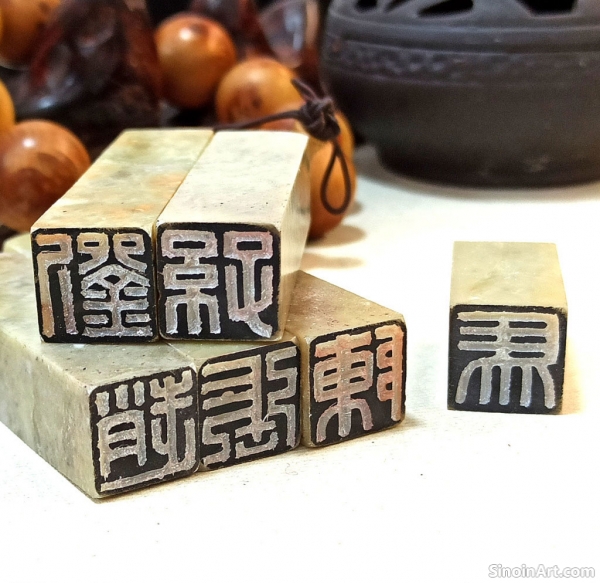 Other notable collectors include Qianlong Emperor of the Qing dynasty, whose collection of calligraphy and paintings was marked with many imperial seals. He is one of the most well known collectors of all time, and his collecting habits greatly influenced art production and appreciation.  Many private collectors, from scholars and merchants to government officials, have also had important collections, each with unique and specific seal collections. These individual collections are valuable sources of information, and have significantly shaped the history of Chinese art. The seals belonging to famous collectors are now highly prized, offering valuable insights into the history of art patronage, cultural taste, and the history of art. The seals themselves have become valuable pieces of art, in addition to serving as markers of provenance for specific works of art. These famous collectors and their seal collections provide a compelling narrative of the history of art collecting in China. Their patronage and connoisseurship shaped the art world for many generations, and continues to influence contemporary tastes and collection practices. Their seal collections are valued not only for their aesthetic appeal, but also for the historical context they provide. |
Tag : Famous Art Collectors, Chinese Art Patrons, Seal Collections, Art History, Seal Legacy
Related information
- The Historical Evolution of Leisure Seals: From Early Forms to Modern Interpretations
- The Art of the Name Seal: An Introduction to Chinese Personal Seals
- Famous Leisure Seal Carvers and Their Unique Styles
- Styles of Seal Carving: Exploring Regional and Artistic Differences
- The Materials of Collector's Seals
This article traces the historical development of leisure seals, from their early origins to their contemporary forms, highlighting key changes in design, usage, and cultural significance.
This article introduces the concept of Chinese name seals, exploring their history, cultural significance, and the basic techniques involved in their creation.
This article highlights the works of notable leisure seal carvers throughout history, discussing their innovative techniques, distinctive styles, and lasting contributions to the art of xiánzhāng.
This article explores the various styles of Chinese seal carving, highlighting regional and historical differences from Qin and Han dynasties to styles of the Ming and Qing, emphasizing the diversity of the art form.
The materials used to create collector's seals can range from the humble to the luxurious, reflecting the owner’s financial status and artistic preferences. The material used in a seal often serves to signify the wealth and prestige of the collector.