Materials of Chinese Teaware: From Clay to Porcelain
|
Chinese teaware is crafted from a wide variety of materials, each imparting unique qualities to the tea brewing process and influencing the overall aesthetic. Understanding the characteristics of these various materials provides insights into the artistry and skill involved in creating Chinese teaware. Each material provides different aesthetic and functional values.  Yixing clay, found in the Yixing region of China, is a highly prized material for teapots due to its porous nature, which is believed to enhance the flavor of tea over time. Teapots made from Yixing clay also tend to develop a patina as they are used, making them unique and highly valuable. They are the most highly sought after of all teaware materials. 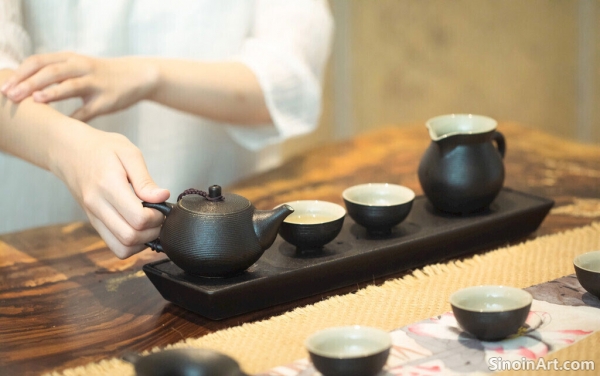 Porcelain is another common material, valued for its smooth surface, durability, and ability to maintain the purity of tea flavors. Porcelain is often decorated with intricate designs, making them both functional and beautiful objects. They have long been prized by both tea drinkers and collectors. 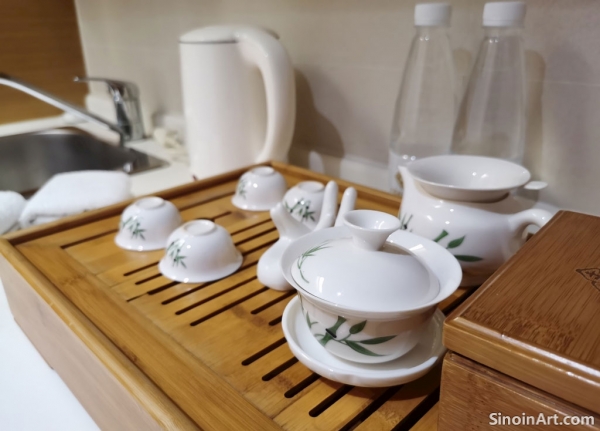 Stoneware, another type of ceramic, is known for its durability and rustic charm. Often glazed with simple but visually appealing colors, it is a popular choice for tea enthusiasts looking for a more understated style. Stoneware is both durable and visually pleasing. Glass is valued for its transparency, allowing the visual appreciation of the tea as it brews. Glass teapots and teacups are ideal for displaying tea leaves and the unique colors of the finished brew. Glass allows for the tea brewing to become a visual spectacle. Bamboo, wood, and other natural materials are also used in Chinese teaware, particularly in the creation of tea trays and other accessories. The different material choices have a significant impact on the final aesthetic, and the overall enjoyment of tea. The diversity of available materials results in the wide variety of styles and designs that are available. |
Tag : Teaware Materials, Clay Teapots, Porcelain Teacups, Ceramic Teaware, Glass Teaware
Related information
- Tea and Health: Exploring the Wellness Benefits of Chinese Tea
- The Timeless Tradition: An Introduction to Chinese Tea
- The Future of Chinese Tea: Sustainability and Modern Innovations
- The Heart of the Set: Exploring Chinese Teapots
- The Delicacy of White Tea: Minimal Processing, Maximum Flavor
This article examines the various health benefits associated with drinking Chinese tea, discussing its antioxidant properties, potential impact on cardiovascular health, and its overall contribution to well-being.
This article provides a comprehensive introduction to Chinese tea, covering its history, cultural significance, and the diversity of types available.
This article discusses the future of Chinese tea, addressing issues of sustainability, ethical practices, and innovative technologies that are shaping the tea industry for future generations.
This article delves into the world of Chinese teapots, examining various materials, shapes, and styles, and highlighting their role in enhancing the flavor and aroma of tea.
This article focuses on white tea, highlighting its minimal processing, the subtlety of its flavors, and its delicate aroma, along with tips on brewing and enjoying this unique tea.