Bronze Ware and Ancient Chinese Conceptions of Time: Cycles, Rituals, and Cosmic Order
|
Ancient Chinese perceptions of time were deeply intertwined with the cycles of nature, the rhythms of agriculture, and the rituals that governed daily life, and bronze ware played a key role in both reflecting and reinforcing these conceptions. From astronomical instruments to ritual objects, bronze was used to mark and to understand the flow of time. The careful study of these artifacts helps to provide a better insight into the ancient understanding of time. 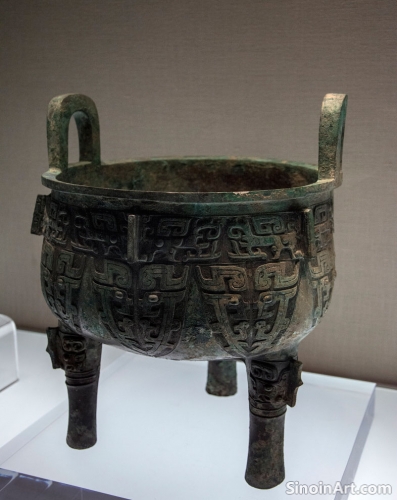 Bronze was used to create tools for measuring time, such as sundials and water clocks, which were often carefully designed to reflect the specific cycles of the year, the lunar calendar, and the rhythm of human activity. The use of bronze helped to provide accurate measurements of time, and to create a more ordered and understandable world. 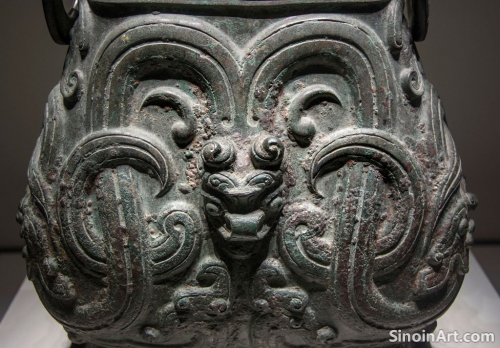 Bronze ritual vessels and musical instruments were also used to mark and celebrate specific times, including solstices, equinoxes, and agricultural festivals, all meant to harmonize human activities with the larger rhythms of the cosmos. The selection of specific objects for particular times helped to underscore and emphasize their spiritual importance.  The inscriptions on some bronze objects often included dates and calendrical information, helping to connect specific events and rituals with the flow of time, reinforcing a cyclical understanding of history and the natural world. The careful recording of time is essential to the understanding of the past, and these inscriptions provide valuable data. The intersection of history and the measurement of time is a powerful element in ancient Chinese culture. The study of bronze ware in the context of ancient Chinese timekeeping helps to reveal a complex worldview that sought to integrate human experience with the natural order and cosmic patterns. The study of these objects helps to connect us to the ancient understanding of time and its role in daily life. |
Tag : bronze timekeeping, ancient Chinese calendars, time perception, ritual cycles, cosmic order
Related information
- The Enduring Power of Chinese Bronze Ware: A Timeless Legacy of Art, Culture, and History
- Bronze Ware and the Transmission of Ancient Chinese Technical Knowledge: Tools, Techniques, and Innovation
- The Influence of Zhou Dynasty Ritual Bronzes on Later Chinese Art and Culture
- The Enduring Allure of Chinese Bronze Ware: A Source of Inspiration and Study
- The Use of Bronze in Ancient Chinese Religious Practices: Temple Offerings and Sacred Spaces
This article reflects on the enduring power of Chinese bronze ware, emphasizing its timeless beauty, technical mastery, cultural significance, and its continuing ability to inspire awe and curiosity around the world.
This article explores the transmission of technical knowledge through the production of bronze ware in ancient China, highlighting the process of apprenticeship, the mastery of materials, the development of techniques, and how this knowledge shaped other forms of technical and artistic innovation.
This article explores the lasting influence of Zhou Dynasty ritual bronzes on later Chinese art and culture, highlighting their impact on forms, designs, the importance of inscriptions, and the continued relevance of ritual and ancestral veneration.
This article reflects on the enduring allure of Chinese bronze ware, highlighting its technical skill, artistic beauty, historical significance, and the importance of its study and preservation for future generations.
This article explores the use of bronze in ancient Chinese religious practices, highlighting its role in creating temple offerings, musical instruments, and other objects used to create sacred spaces and to facilitate communication with the divine.