Beyond Blue and White: Other Yuan Ceramic Styles
|
While blue and white porcelain is undoubtedly the most famous ceramic style of the Yuan Dynasty, it is important to acknowledge the other equally significant forms of pottery production of the era. These less-celebrated wares offer valuable insights into the diversity and richness of Yuan ceramic traditions. While blue and white is the most famous product of the period, there is a lot more to Yuan pottery than just that.  One notable style is "Shufu ware," a creamy-white porcelain with a subtle, unctuous glaze. This ware is often characterized by its moulded or carved designs and its delicate appearance. Shufu ware offers a distinct contrast to the bold blue and white. These pieces show a different set of aesthetic choices. 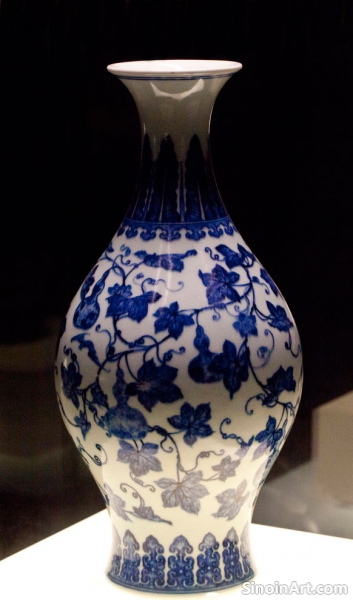 Other Yuan ceramic styles include Cizhou ware, which featured boldly painted designs in iron-brown or black over a white slip. This style is characterized by its more rustic, folk art aesthetic and its sturdy forms. Cizhou wares have a vibrancy and a rustic feel that is all their own. 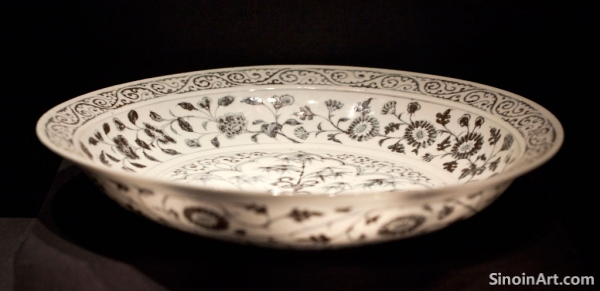 Longquan celadon also continued to be produced during the Yuan Dynasty. This style is renowned for its thick, jade-like green glaze and its often sculptural forms. The celadon of the era continued to be highly prized throughout the world. The diversity of these Yuan ceramics demonstrates the breadth of creative output during this time. Although often overshadowed by blue and white, these other styles provide a more complete picture of the period's ceramic achievements and artistry. They demonstrate the full range of creativity during the Yuan Dynasty. |
Tag : Yuan ceramics, Shufu ware, Cizhou ware, Longquan celadon, Chinese pottery
Related information
- The Use of Yuan Dynasty Porcelain as Status Symbols and Markers of Power
- Collecting and Preserving Yuan Dynasty Porcelain: Challenges and Considerations
- Trade and Export: Yuan Dynasty Porcelain on the Global Stage
- The Impact of Yuan Dynasty Porcelain on European Ceramics and Decorative Arts
- The Rise of Blue and White Porcelain in the Yuan Dynasty
This article examines the role of Yuan Dynasty porcelain as a status symbol and marker of power, analyzing how its ownership, display, and use as gifts demonstrated wealth, prestige, and social standing within Yuan society.
This article discusses the challenges and considerations associated with collecting and preserving Yuan Dynasty porcelain, highlighting issues of authentication, ethical acquisitions, and proper conservation.
This article explores the significant role Yuan porcelain played in international trade. It highlights its export routes, its demand in the Islamic world, and its impact as a cultural ambassador.
This article examines the transformative impact of Yuan Dynasty porcelain on European ceramics and decorative arts, detailing how it inspired new techniques, influenced the development of blue and white traditions (like Delftware) and reshaped European artistic preferences.
The Yuan Dynasty marks a pivotal moment in the history of Chinese ceramics, primarily due to the emergence and rapid development of blue and white porcelain. While blue and white wares had appeared in earlier periods, it was during the Yuan that these pieces, decorated with cobalt blue under a clear glaze, rose to prominence and became a defining feature of Chinese porcelain. The Yuan dynasty represents the beginning of a new approach to ceramic design, and the influence of Yuan blue and white porcelain can still be seen in pottery traditions today.