Yuan Ceramics and the Use of "Underglaze Red"
|
In addition to blue and white porcelain, Yuan Dynasty potters also experimented with underglaze red, a difficult technique involving copper oxide that created a striking contrast with the white porcelain body. The creation of red designs under glaze was especially challenging and demonstrated the expertise and experimental nature of Yuan era potters. 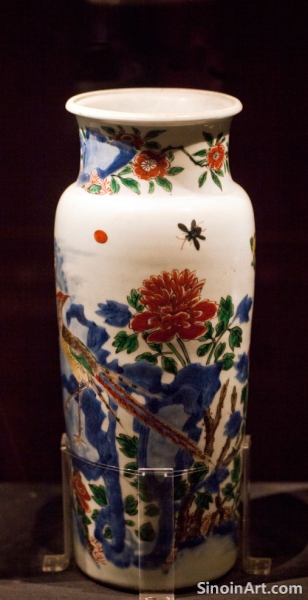 Underglaze red decoration was often used to create floral designs, figural scenes, and other decorative patterns, and these pieces were often highly prized for their beauty and technical difficulty.  The difficulty in controlling the firing of underglaze red resulted in a wide range of effects, from vibrant red tones to more muted, pinkish hues. The interplay of materials and kiln conditions often resulted in unique and unrepeatable effects on individual pieces.  Yuan Dynasty pieces with underglaze red demonstrate the technical skill and artistic innovation of potters during this period. These pieces, though less common, demonstrate the versatility and adaptability of the style and techniques that were developed at this time. The relatively few surviving examples of Yuan underglaze red highlight the importance and complexity of this specific type of pottery production. |
Tag : Yuan underglaze red, Chinese copper red, red glaze pottery, porcelain decoration, ancient techniques
Related information
- The Forms and Shapes of Yuan Dynasty Ceramics
- The Influence of Yuan Dynasty Porcelain on Contemporary Artists
- The Economics of Yuan Dynasty Porcelain Production and Distribution
- The Technical Innovations of Yuan Dynasty Porcelain Production
- The Impact of Yuan Dynasty Porcelain on European Ceramics and Decorative Arts
Yuan Dynasty ceramics feature large, robust forms like large dishes, basins, and the iconic Meiping vase, which reflect both practical needs and the artistic and social context of the era.
This article explores the influence of Yuan Dynasty porcelain on contemporary artists, highlighting its impact on ceramic design, use of underglaze blue, and the integration of traditional techniques with modern artistic approaches.
This article explores the economic aspects of Yuan Dynasty porcelain production and distribution, detailing the large-scale operations at Jingdezhen, the extensive trade networks, and the economic impact of porcelain on the Yuan Dynasty.
This article examines the technical innovations in Yuan Dynasty porcelain production, focusing on advances in underglaze painting, kiln technology, and the improved refinement of materials, which contributed to the era's ceramic achievements.
This article examines the transformative impact of Yuan Dynasty porcelain on European ceramics and decorative arts, detailing how it inspired new techniques, influenced the development of blue and white traditions (like Delftware) and reshaped European artistic preferences.