Yuan Ceramics and the Influence of Islamic Art
|
The influence of Islamic art, particularly that of Persia, can be seen in some aspects of Yuan Dynasty ceramics, especially in the decorative motifs and use of certain colors, and the contact between different cultures via trade routes at this time is a key element in the overall design and appearance of some Yuan period ceramics. 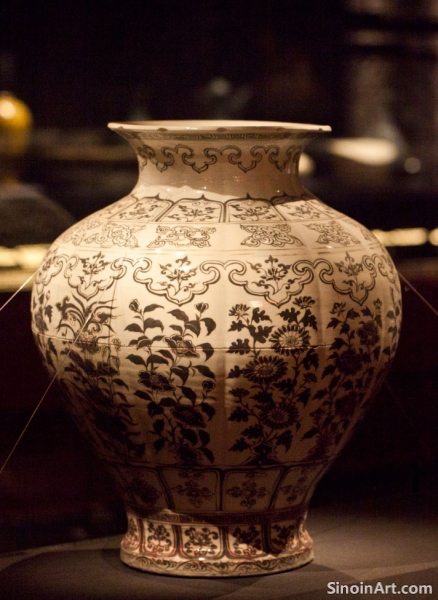 The use of cobalt for blue and white porcelain is itself an influence of Persian trade, and the specific colourant was a key element of both Persian and Yuan era pottery production. 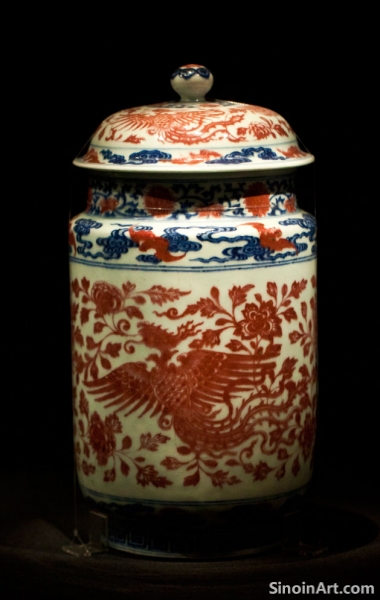 Certain types of floral patterns, geometric designs, and animal motifs seen on Yuan ceramics, while reinterpreted, also reflect the influence of Islamic artistic traditions. The integration of these motifs demonstrates the cross cultural exchange that was occurring at this time.  The influence of Islamic art on Yuan ceramics underscores the cultural exchange that occurred during this period, which demonstrates that styles and techniques travel across cultures and become integrated into existing forms of artistic expression. The blending of Chinese and Islamic styles in Yuan ceramics resulted in a unique synthesis of artistic traditions and demonstrates the overall interconnectedness of cultures during this period. |
Tag : Yuan Islamic influence, Chinese art, Persian pottery, cultural exchange, Silk Road art
Related information
- Yuan Ceramics and the Continuing Evolution of Porcelain
- The Use of Inscriptions and Marks on Yuan Dynasty Porcelain
- The Technical Challenges and Innovations in Firing Yuan Dynasty Porcelain
- Yuan Dynasty Porcelain and the Development of Korean Celadon Wares: A Symbiotic Relationship
- Yuan Dynasty Porcelain and its Depiction in Contemporary Popular Culture
The Yuan Dynasty was a period of continued evolution in the development of porcelain, with potters making advancements in the use of materials, glaze formulations, and firing techniques. The Yuan period laid the groundwork for the eventual innovations of the Ming and Qing eras, and it shows the continued development of pottery traditions that had been developed over centuries in China.
This article delves into the various inscriptions and marks found on Yuan Dynasty porcelain, explaining how kiln marks, imperial marks, and other inscriptions provide valuable information about origin, patronage, and intended use.
This article delves into the technical challenges and innovations in firing Yuan Dynasty porcelain, highlighting the complexities of reaching high temperatures, controlling the kiln atmosphere, and managing the firing of large pieces to ensure even heating and prevent damage.
This article explores the symbiotic relationship between Yuan Dynasty porcelain and Korean Celadon wares, examining how Yuan innovations influenced Celadon development while acknowledging the reciprocal influence of Korean techniques on certain aspects of Chinese ceramics.
This article explores the depiction of Yuan Dynasty porcelain in contemporary popular culture, examining its presence in films, television, literature, and video games, which reveals its enduring appeal and its ongoing influence in visual and narrative media.