Design Elements of Studio Seals: Beyond Just the Name
|
While the inscriptions on a zhāiguǎn yìnzhāng are central to its identity, the design elements surrounding the characters also contribute significantly to its overall artistic merit and meaning. These elements, including borders, patterns, and pictorial imagery, add layers of visual interest and symbolic depth to the studio seal. The design elements go beyond just the characters themselves. 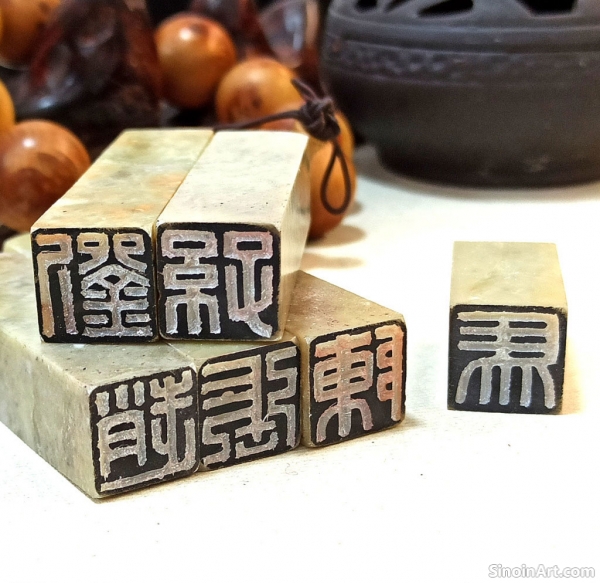 Borders are common features of studio seals, often serving to frame the inscription and provide a sense of visual containment. These borders can range from simple lines to more elaborate patterns, each contributing to the seal's overall aesthetic. The borders provide an added layer of visual interest to the seals. 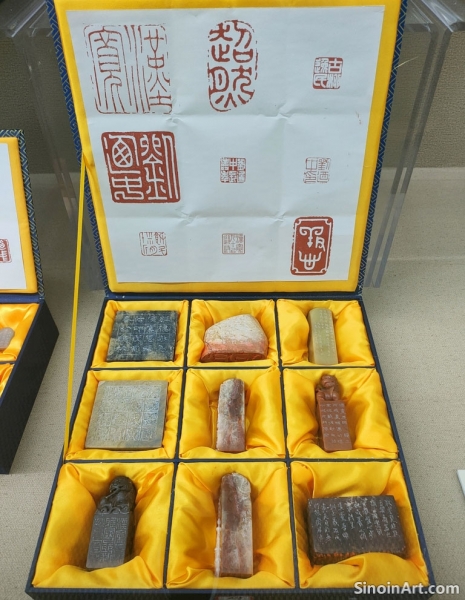 Patterns are another important design element of studio seals. These patterns, often drawn from nature or traditional motifs, can be used to fill the spaces around the characters, adding texture and visual complexity to the composition. Common designs include geometric patterns, or designs based on nature, for instance. 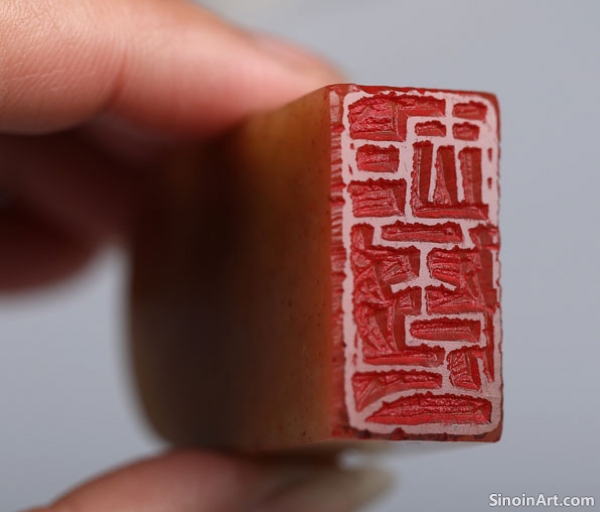 Pictorial elements, though less common than borders and patterns, are sometimes incorporated into studio seals. These small images, often related to the owner's interests or the nature of their studio, can add a personal and evocative touch to the seal. These images can reflect either the character of the hall or the owner's specific interests. The layout and spacing of the design elements are also crucial for the overall harmony and visual appeal of the studio seal. Seal carvers strive to create a balanced and dynamic composition, using these elements to enhance the interplay between the positive and negative space. The combination of the different design elements results in the final visual appeal. The design elements of studio seals, combined with the inscription itself, create a rich and meaningful artistic statement. They allow seal carvers to express their creativity, individuality, and cultural heritage through these small but powerful works of art. The additional design elements enhance the visual and aesthetic appeal of the seals. |
Tag : Studio Seal Design, Seal Borders, Patterned Seals, Pictorial Seals, Chinese Art Design
Related information
- The Placement of Collector's Seals
- Collecting Collector's Seals: A Journey Through Art History and Connoisseurship
- Form and Design of Leisure Seals: Embracing Freedom and Creativity
- Inscriptions on Collector's Seals: Unveiling Taste and Connoisseurship
- Tools of the Trade: Essential Equipment for Seal Carving
The placement of collector's seals on works of art or books is often a carefully considered decision, reflecting the collector’s aesthetic judgment and their understanding of traditional Chinese art principles. The placement of the seal is just as important as the seal itself.
This article explores the personal journey of those who collect collector’s seals, emphasizing the blend of artistic appreciation, historical research, and personal engagement with Chinese art and culture.
This article explores the diverse range of shapes, forms, and design elements found in leisure seals, highlighting the freedom of expression that distinguishes them from other types of seals.
This article delves into the various types of inscriptions found on collector's seals, exploring how they reveal the collector's knowledge, taste, and personal connection to the art they own.
This article explores the essential tools and materials used in Chinese seal carving, focusing on the importance of carving knives, stones, ink pads, and other specialized equipment.