Collecting and Appreciating Yuan Ceramics Today
|
Today, Yuan Dynasty ceramics are highly prized by collectors and museums around the world. Their historical significance, artistic beauty, and technical innovation make them objects of great fascination and value. The story of the Yuan Dynasty is also an important element in the history of China. 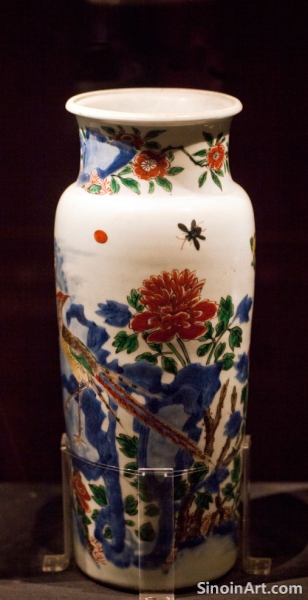 Collecting Yuan ceramics requires a deep understanding of the different styles, periods, and techniques employed during the dynasty. Knowledge of the forms, glazes, and decorative motifs is essential for authenticating pieces and assessing their value. A careful study of the historical context is also vital. 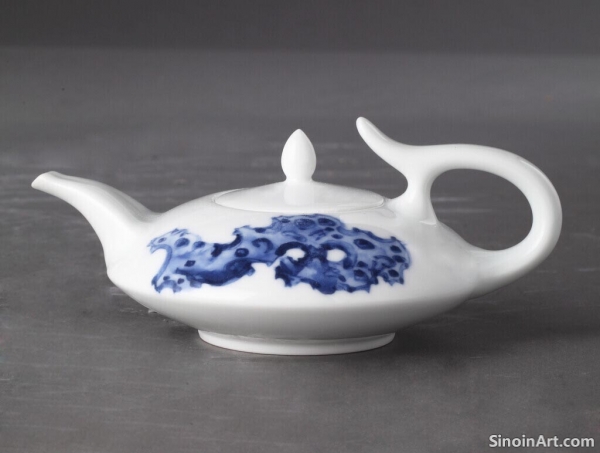 The value of Yuan ceramics is determined by a variety of factors, including age, rarity, condition, and provenance. Blue and white pieces, particularly those of imperial quality, are highly sought after. The technical skill and artistry of the piece are also determining factors.  Museums and galleries play a crucial role in showcasing Yuan ceramics and educating the public about their artistic and historical significance. These institutions provide a valuable source of information for collectors and the interested public. They also serve a vital role in preserving the artifacts for future generations. Appreciating Yuan ceramics today means more than just admiring their aesthetic qualities; it also means understanding their place in history, their cultural context, and their role in the development of ceramic art. They are vital windows into the past and allow us to understand the history and culture of China during the Yuan dynasty |
Tag : Yuan ceramics collecting, Antique porcelain, Chinese art, Art appreciation, Ceramic artifacts
Related information
- Forms and Decoration: Exploring Yuan Dynasty Porcelain Aesthetics
- The Use of Molded and Applied Decoration on Yuan Dynasty Porcelain
- The Future of Yuan Dynasty Porcelain Scholarship: Emerging Trends and Priorities
- Yuan Dynasty Porcelain and its Influence on Japanese Ceramics
- Yuan Ceramics and the Influence of Islamic Art
This article examines the distinct forms and decorative techniques of Yuan Dynasty porcelain, including its large shapes, bold motifs (floral, dragons), and underglaze painting. It reveals the artistic dynamism of the era.
This article explores the use of molded and applied decoration in Yuan Dynasty porcelain, highlighting how these techniques added texture and visual interest to pieces, showcasing the versatility of Yuan ceramics beyond underglaze painting.
This article discusses the future of Yuan Dynasty porcelain scholarship, highlighting emerging trends such as interdisciplinary approaches, the use of digital resources, the study of global influences, and new research priorities that will shape the direction of the field.
This article examines the significant influence of Yuan Dynasty porcelain on Japanese ceramics, particularly during the Muromachi period, focusing on its impact on the tea ceremony and local porcelain production.
The influence of Islamic art, particularly that of Persia, can be seen in some aspects of Yuan Dynasty ceramics, especially in the decorative motifs and use of certain colors, and the contact between different cultures via trade routes at this time is a key element in the overall design and appearance of some Yuan period ceramics.