Wen Zhengming (文徵明): The Elegant Master of the Wu School
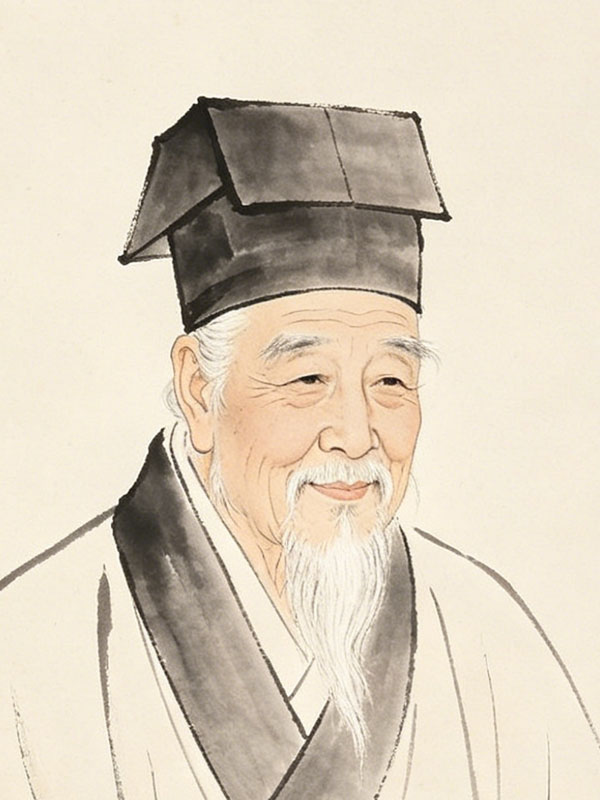
Wen Zhengming (1470–1559), originally named Wen Bi (文壁), was a titan of the Ming Dynasty art world. A native of Suzhou, he was a preeminent painter, calligrapher, and poet who succeeded his teacher, Shen Zhou, as the leader of the Wu School (吴门画派). He is celebrated as one of the "Four Masters of the Ming" (明四家), and his nearly 90-year lifespan allowed him to profoundly shape the aesthetic values of late imperial China.
1. The Path of the Reluctant Official
Wen Zhengming’s early life was marked by academic struggle; he famously failed the imperial provincial examinations ten times. It was only at age 54 that he was recommended for a position at the Hanlin Academy in Beijing. However, disillusioned by the factions and bureaucracy of court life, he resigned after only three years to return to the private gardens of Suzhou. This transition from official to retired scholar (Yinshi) was pivotal, as it allowed him to devote his final decades to the pure pursuit of the literati (Wenren) arts.
2. Two Distinct Artistic Styles: "Fine" and "Coarse"
Like his mentor Shen Zhou, Wen Zhengming’s landscape paintings are often analyzed through two stylistic lenses:
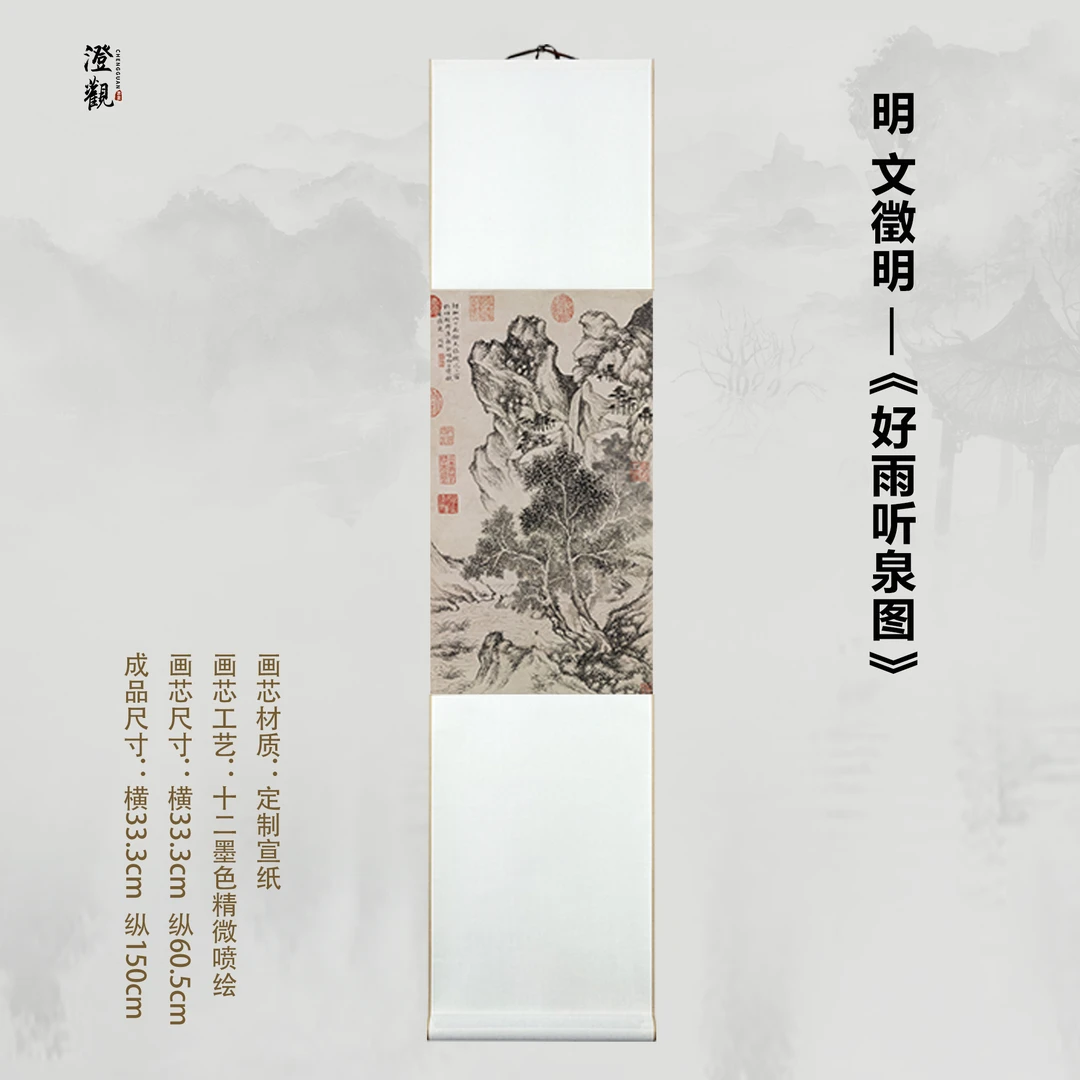
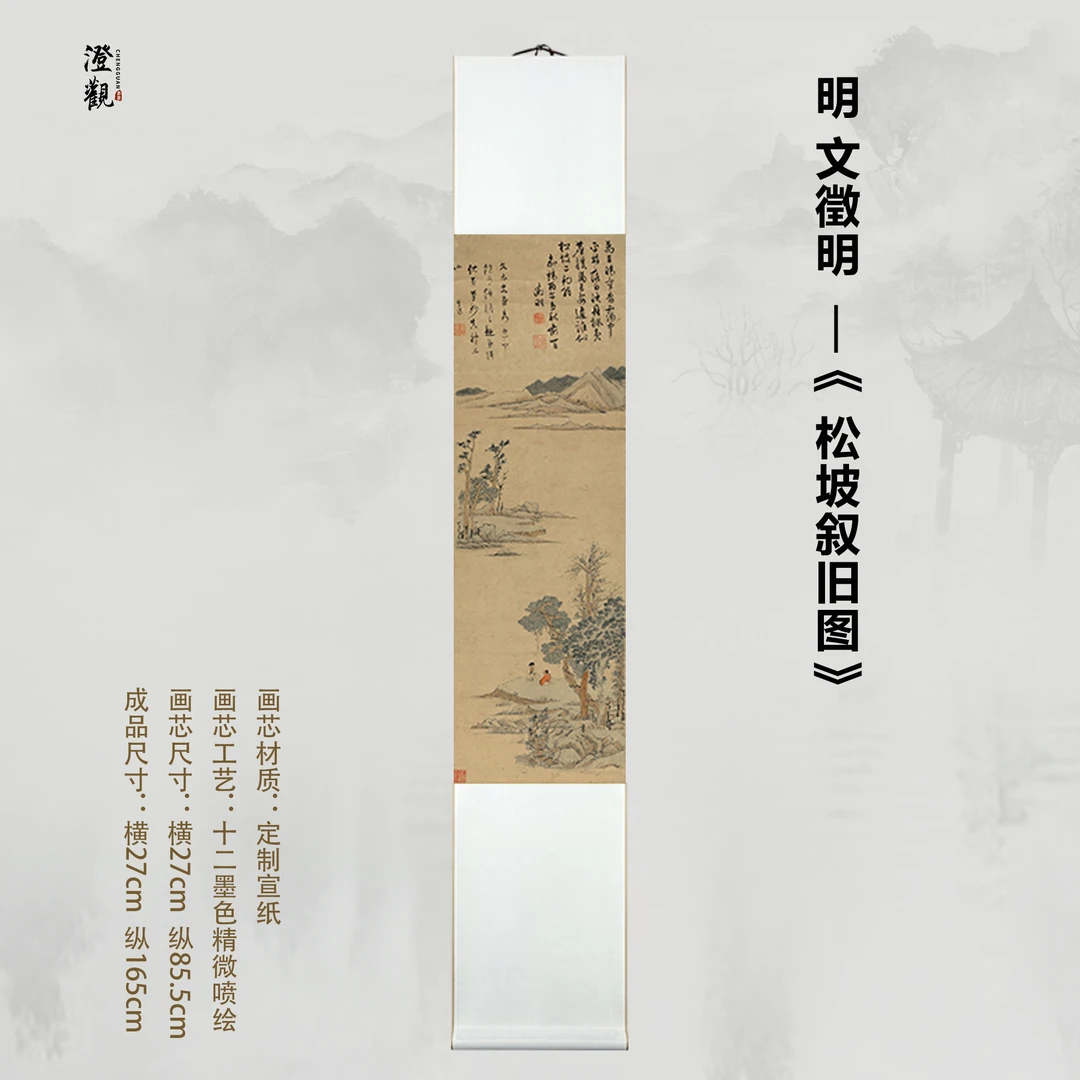
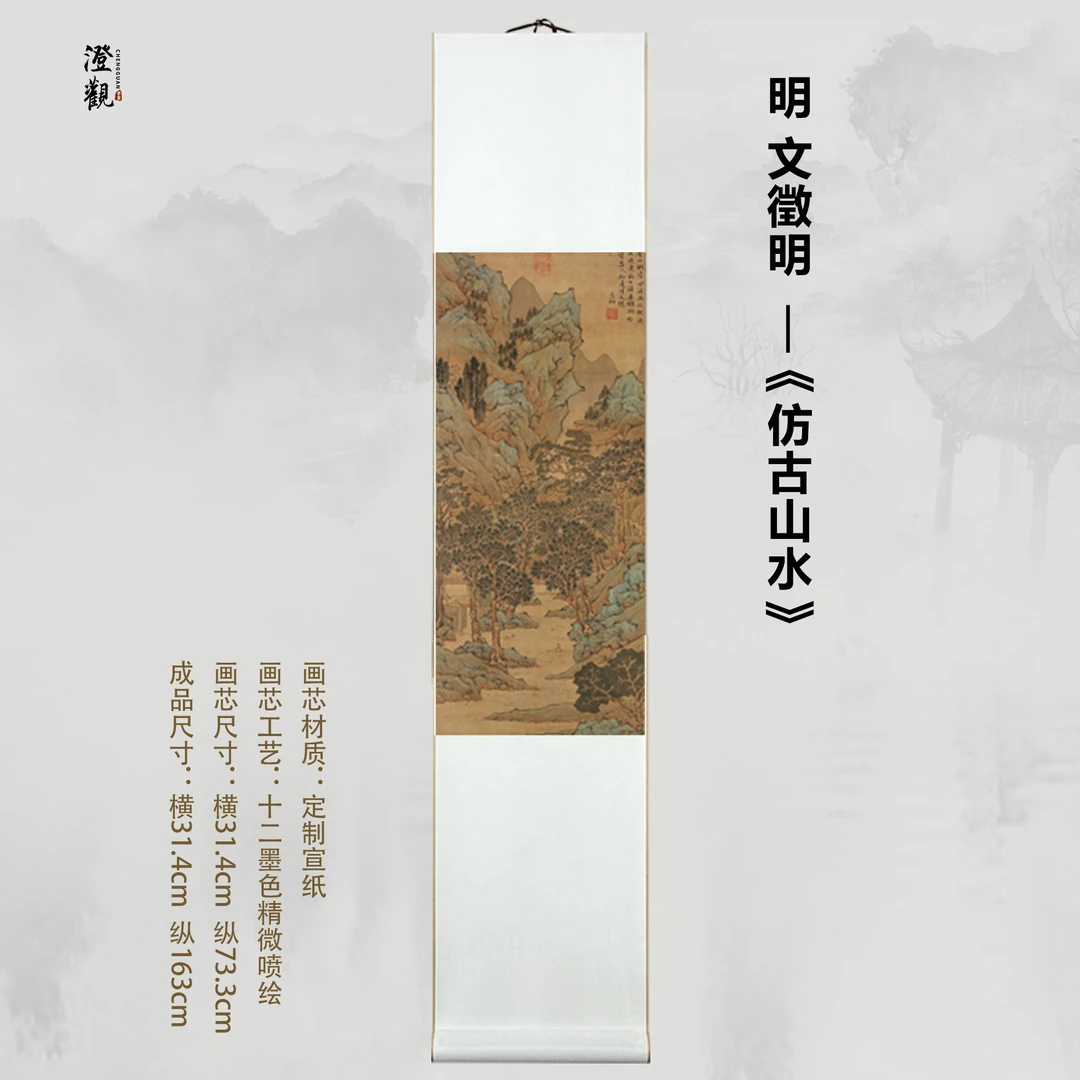
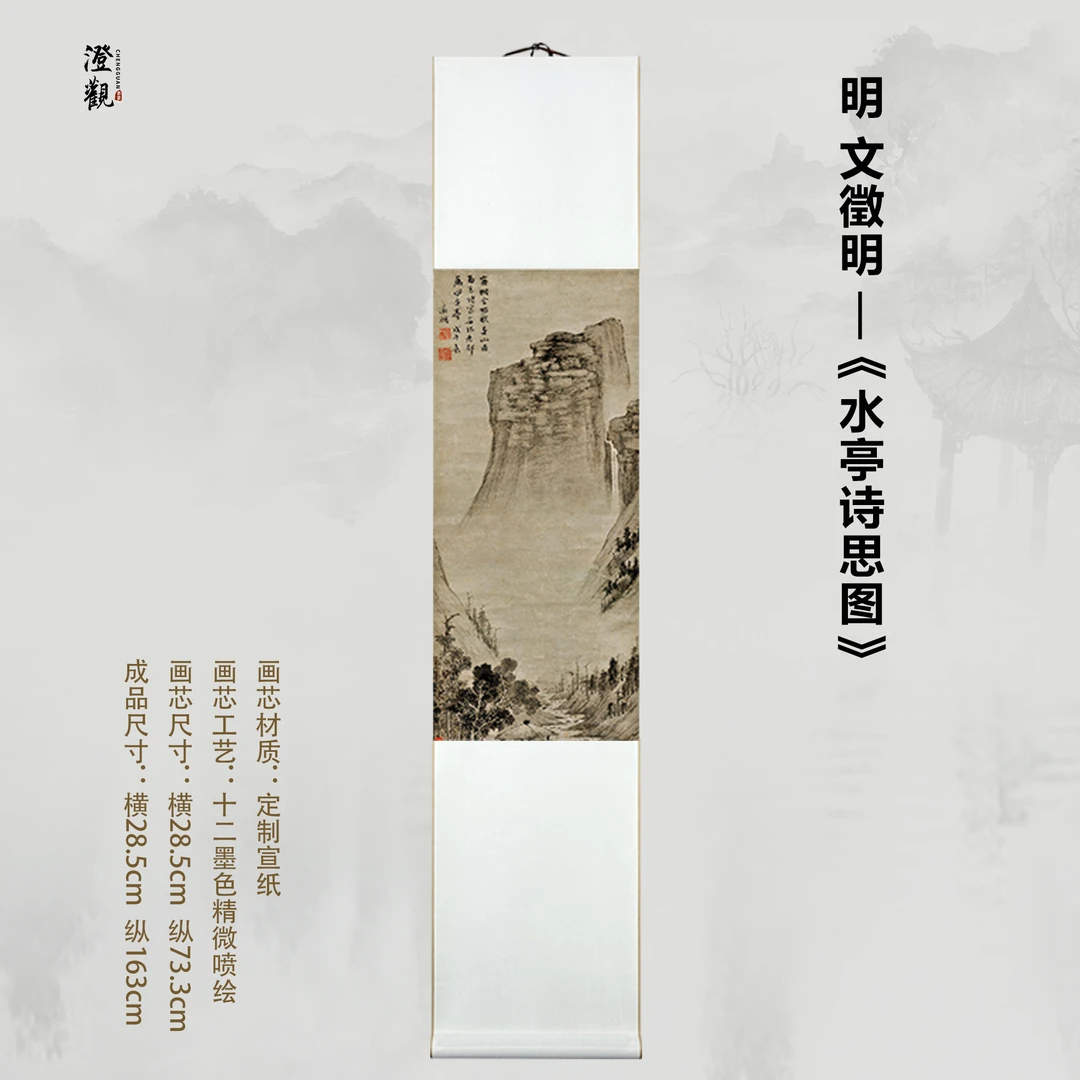
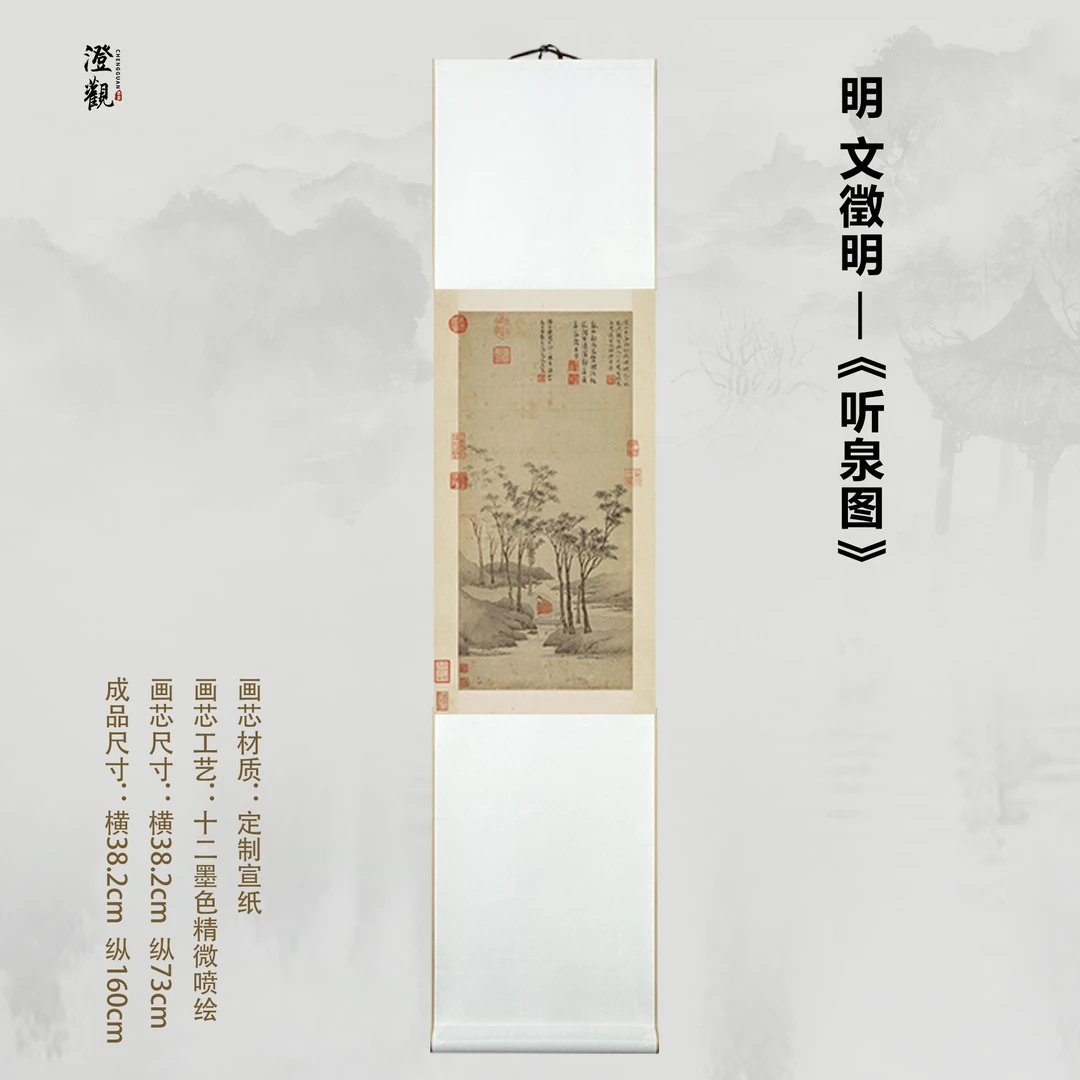
- "Fine Wen" (Xi Wen): His most characteristic style, influenced by Zhao Mengfu and the Wang Meng tradition. These works are meticulous, elegant, and dense, featuring tall, slender mountains and intricate "hemp-fiber" brushwork. They radiate a sense of intellectual discipline and refined tranquility.
- "Coarse Wen" (Cu Wen): A bolder, more spontaneous style utilized later in life. Inspired by the Yuan masters like Wu Zhen, these paintings use moist ink washes and broader strokes to convey a sense of rhythmic energy and emotional freedom.
3. Calligraphic Supremacy: The Master of Small Regular Script
Wen Zhengming is arguably even more famous for his calligraphy than his painting. He is ranked as one of the "Four Masters of Ming Calligraphy." While he excelled in all scripts, he was the undisputed master of Small Regular Script (Xiaokai). His characters were renowned for being precise, balanced, and jewel-like. Even in his late 80s, he could produce script so fine and steady that it was said to be "written by the gods," embodying the moral rectitude and self-control expected of a true Confucian gentleman.
4. The Painter of Suzhou’s Scholar-Gardens
Living in the heart of Suzhou, Wen Zhengming became the definitive visual chronicler of private scholar-gardens. His masterpieces, such as the "Humble Administrator's Garden" (Zhuozheng Yuan) series, depicted the garden not just as a physical space, but as a spiritual sanctuary for poetry, wine, and philosophical discourse. His work helped establish the "garden lifestyle" as the ultimate cultural ideal for the Ming elite.
5. An Enduring Legacy and the "Wen Family Style"
Wen Zhengming’s influence was unparalleled because of his longevity and productivity. He taught a vast number of students, including his sons Wen Peng and Wen Tai, and his nephew Wen Boren, creating a "Wen Family Style" that dominated the art market for over a century. His synthesis of classical tradition with a refined, aristocratic elegance provided the foundational aesthetic for the "Orthodox" school of the later Qing Dynasty.
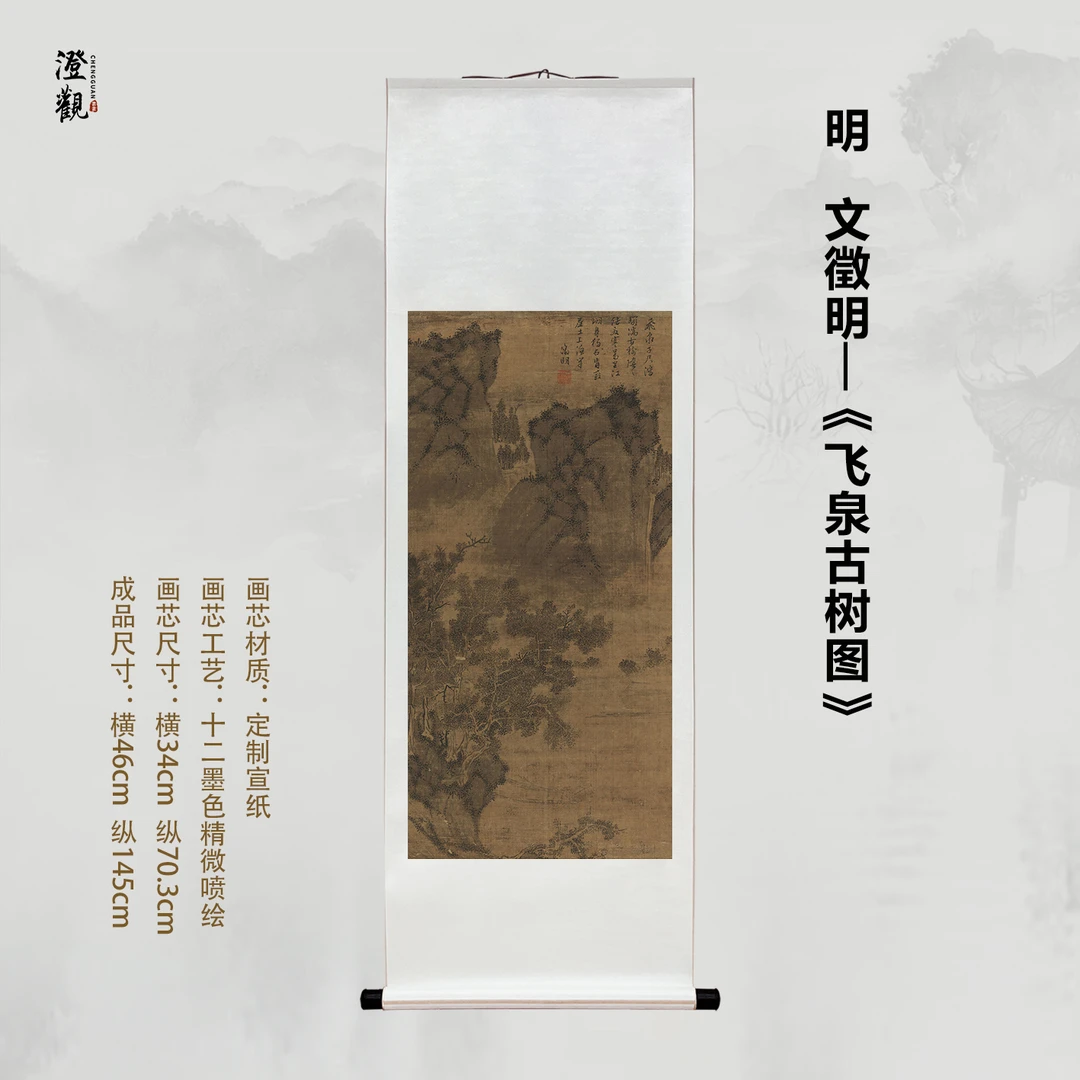
His masterpiece, "Cypress and Old Tree" (Gumu Hanquan), showcases his ability to use twisted, ancient forms to symbolize the resilience and longevity of the scholarly spirit.