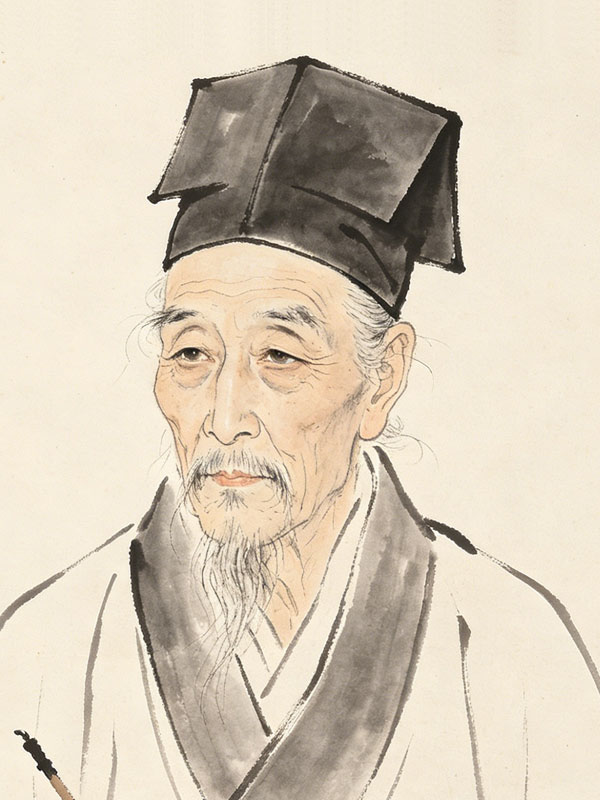
Wen Boren (文伯仁): The Master of Dense Vistas and the Wen Family Legacy
Wen Boren (1502–1575), courtesy name Dezhao (德昭) and pseudonyms Wufeng (五峰) and Sheshan Laonong (摄山老农), was a prominent landscape painter of the mid-Ming Dynasty. As the nephew of the legendary Wen Zhengming, he was a vital second-generation leader of the Wu School (吴门画派) in Suzhou, known for evolving the family’s artistic language into a uniquely dense and monumental style.
1. Heir to the Wen Artistic Lineage
Born into the most influential artistic family in Suzhou, Wen Boren was surrounded by the elite literati culture from birth. While he deeply respected the "fine" style of his uncle, Wen Zhengming, he was known for a bold and independent personality. He successfully navigated the pressure of his family name to establish himself as a master who could compete with, and at times surpass, the technical complexity of his contemporaries.
2. The "Ten Thousand" Vistas: A Unique Style
Wen Boren is best recognized for his extraordinarily dense and complex compositions. Unlike the sparse, tranquil landscapes of many Wu School painters, Boren’s works often feel monumental and crowded. His hallmarks include:
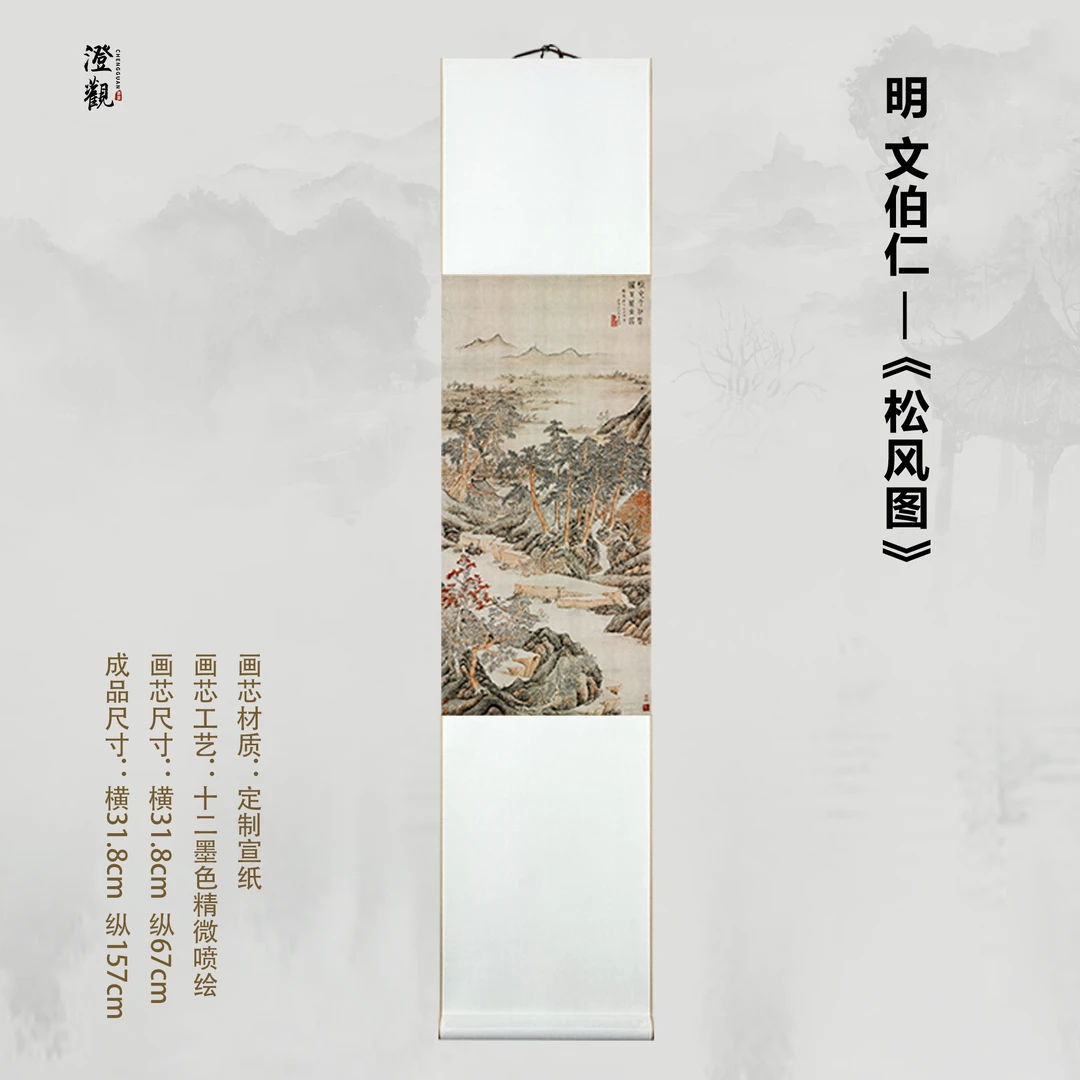
- Verticality: He specialized in tall, narrow hanging scrolls that emphasized the "high distance" (gaoyuan) perspective, leading the viewer's eye through a dizzying array of peaks and valleys.
- The "Ten Thousand" Series: He was famous for depicting grand themes such as "Ten Thousand Peaks and Valleys" (Wanhe Songfeng) and "Ten Thousand Streams," using repetitive but varied motifs to suggest the infinite scale of nature.
- Meticulous Brushwork: His technique was heavily influenced by the Yuan master Wang Meng. He utilized fine, dry brushstrokes and dense "ox-hair" textures to create rich, tactile mountain surfaces.
3. Color and Elegance
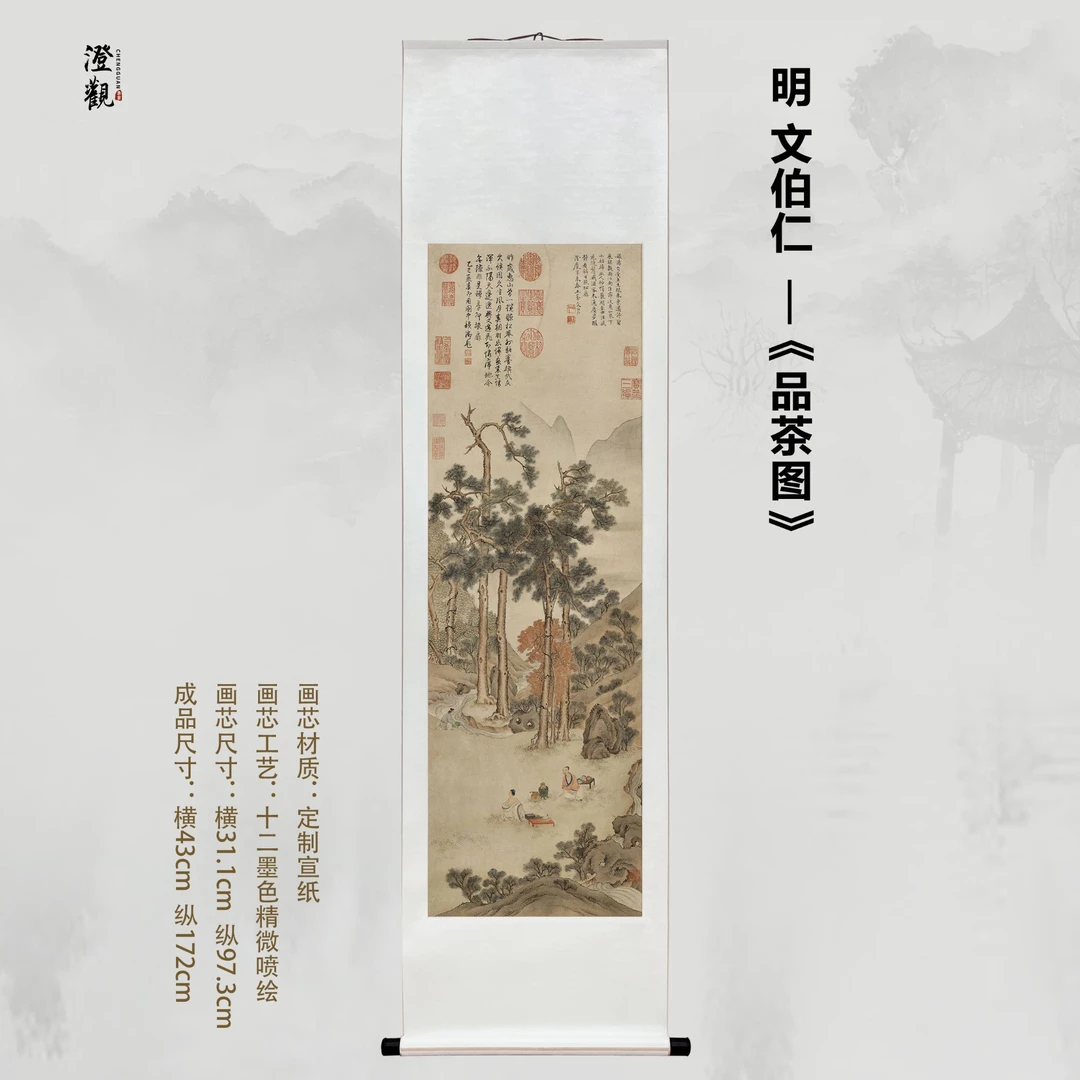
Despite the density of his ink work, Wen Boren possessed a sophisticated sense of color harmony. He frequently employed the light reddish-brown (ashen) and malachite green palette typical of the literati "blue-and-green" tradition. This allowed his crowded compositions to maintain a sense of clarity and elegance, preventing the busy details from becoming overwhelming or "muddy."
4. Temperament and Professionalism
Historical records describe Wen Boren as having a fiery and eccentric temperament, which contrasted with the calm, refined image of his uncle. This intensity translated into his art as restless energy. While he was a scholar by training, his high productivity and the grand scale of his works suggest he operated with a level of professional rigor that made his paintings highly sought after by high-ranking officials and wealthy merchants across the Ming Empire.
5. Historical Legacy and Major Works
Wen Boren played a crucial role in preventing the Wu School from falling into repetitive simplicity after Wen Zhengming’s death. By reintroducing the structural complexity of the Song and Yuan masters, he provided a bridge to the more transformative styles of the late Ming. His masterpieces are held in prestigious collections such as:
- "Spring Morning at the Four Mountains" (Sixi Chunxiao) – A definitive example of his lush and detailed landscape style.
- "The Lute Player" – Showcasing his ability to integrate figures in landscapes with poetic resonance.
Today, his works in the National Palace Museum and the Metropolitan Museum of Art stand as a testament to his status as a virtuoso of the brush.
— ALL MASTERPIECES LOADED —