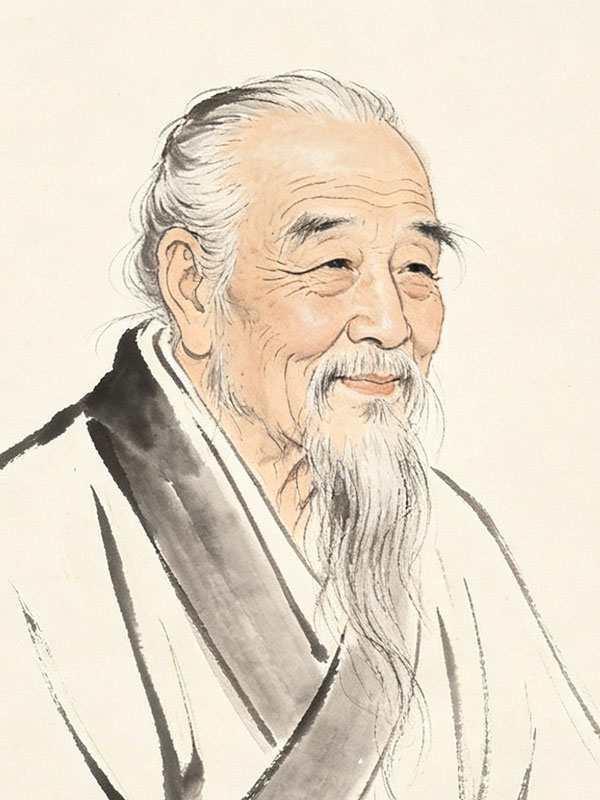
Wang Fu (王绂): The Bridge Between Yuan and Ming Literati Art
Wang Fu (1362–1416), courtesy name Mengduan (孟端) and pseudonyms Youshi (友石) and Jiulong Shanren (九龙山人), was a pivotal painter, calligrapher, and poet during the early Ming Dynasty. A native of Wuxi, he is celebrated for preserving the literati (Wenren) spirit of the Yuan Dynasty and transmitting it to the Ming, laying the essential groundwork for the later Wu School.
1. The Proud Scholar-Official
Wang Fu was the quintessential scholar-official. During the Yongle reign, he served in the prestigious Hanlin Academy as a calligrapher and drafter. However, he was famous for his unyielding integrity and pride. Historical anecdotes suggest he would often refuse to paint for wealthy merchants or high-ranking officials he disliked, even if offered vast sums of money, preferring instead to gift his works to true kindred spirits (Zhiyin) who understood his art.
2. The "First Brush" of Ming Ink Bamboo
Wang Fu is perhaps most famous for his ink bamboo (Mozhu), for which he was considered the premier master of the early Ming. His style was a refined synthesis of the Song and Yuan traditions:
- Structural Strength: His bamboo stalks were characterized by firm, calligraphic strokes that conveyed a sense of moral resilience.
- Rhythmic Vitality: He excelled at capturing the movement of leaves in the wind or heavy with rain, utilizing varying shades of ink to create a three-dimensional effect without the use of color.
- Scholarly Purity: His bamboo was not merely a botanical study but a symbol of the scholar's character—hollow inside (humility) and upright outside (integrity).
3. Landscape Painting: Reviving the Yuan Masters
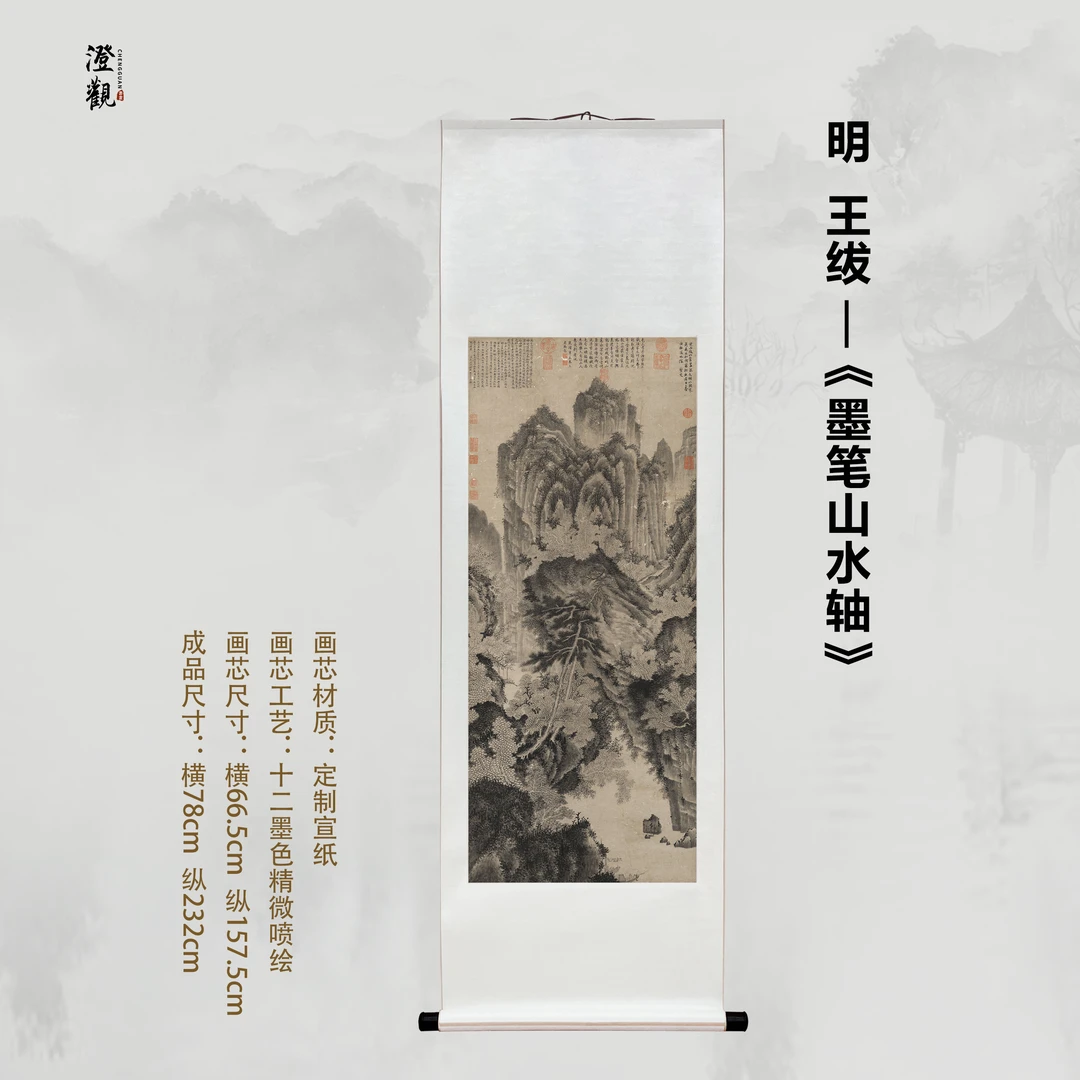
In his landscapes, Wang Fu acted as a vital stylistic bridge. He deeply studied the Four Masters of the Yuan, particularly Ni Zan and Wang Meng. His work often displayed two distinct facets:
- Sparse and Ethereal: Following the Ni Zan tradition, he created landscapes with minimalist compositions and "dry brush" textures, evoking a sense of lonely reclusion.
- Dense and Textural: Influenced by Wang Meng, he also produced works with complex layering and "ox-hair" strokes, depicting the lush and monumental nature of the mountains.
- The "Eight Views of Beijing": One of his most historically significant works is the "Eight Views of Beijing" (Beijing Ba Jing), which documented the scenery of the new capital with a blend of topographical accuracy and poetic idealism.
4. Master of the "Triple Excellence"
Wang Fu was a practitioner of the "Three Perfections" (Sanjue). His poetry was noted for its clarity and emotional restraint, often reflecting the quietude of a life dedicated to nature and study. His calligraphy, particularly in the Regular Script (Kaishu) and Running Script (Xingshu), was elegant and disciplined, mirroring the refined grace of his brushwork in painting.
5. Historical Legacy and Influence
Wang Fu’s importance in Chinese art history cannot be overstated. By successfully integrating the subjective expression of the Yuan Dynasty with the structured refinement of the early Ming, he provided the blueprint for Shen Zhou and the Wu School. Today, his works are highly rare and are prized centerpieces in the Palace Museum in Beijing and the National Palace Museum in Taipei.
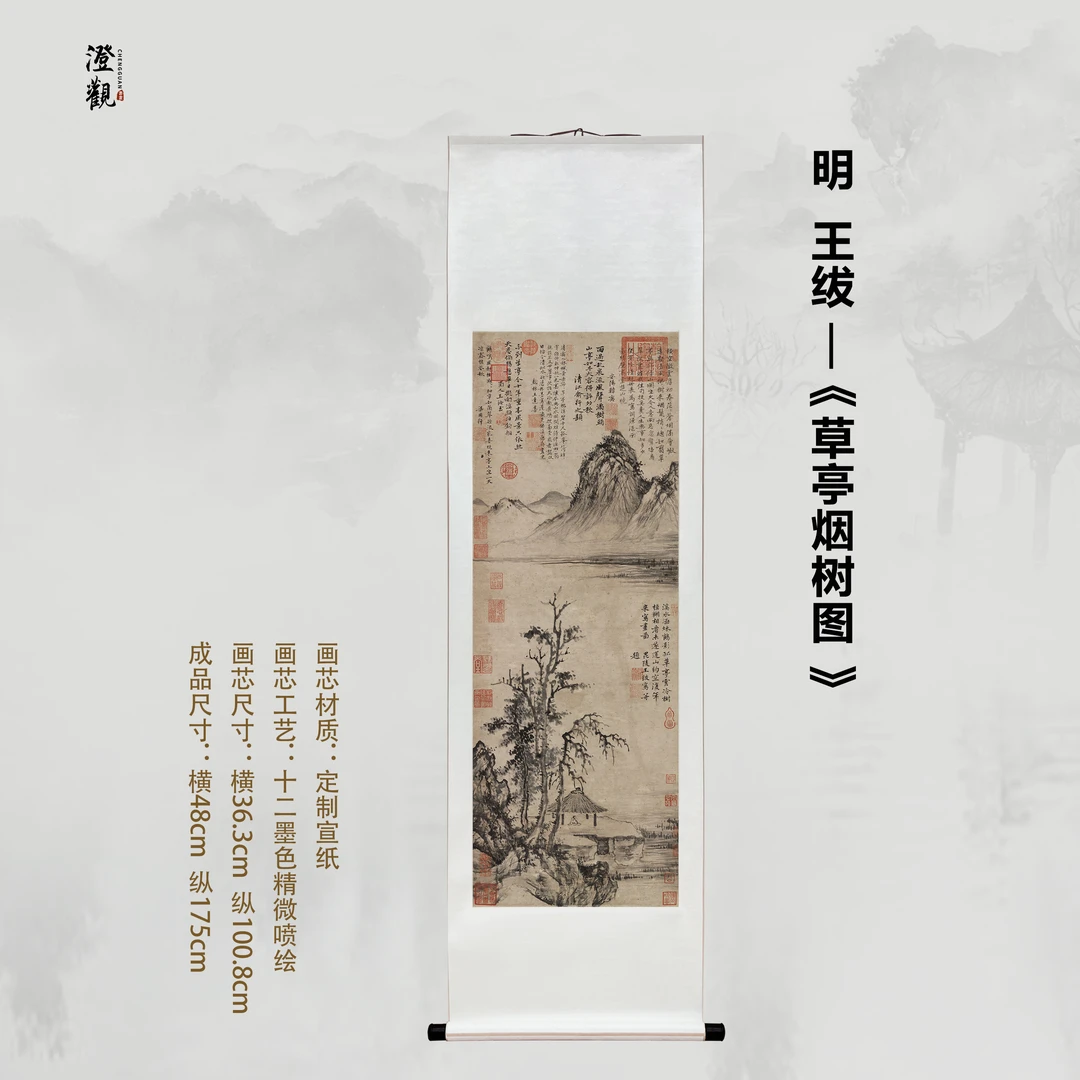
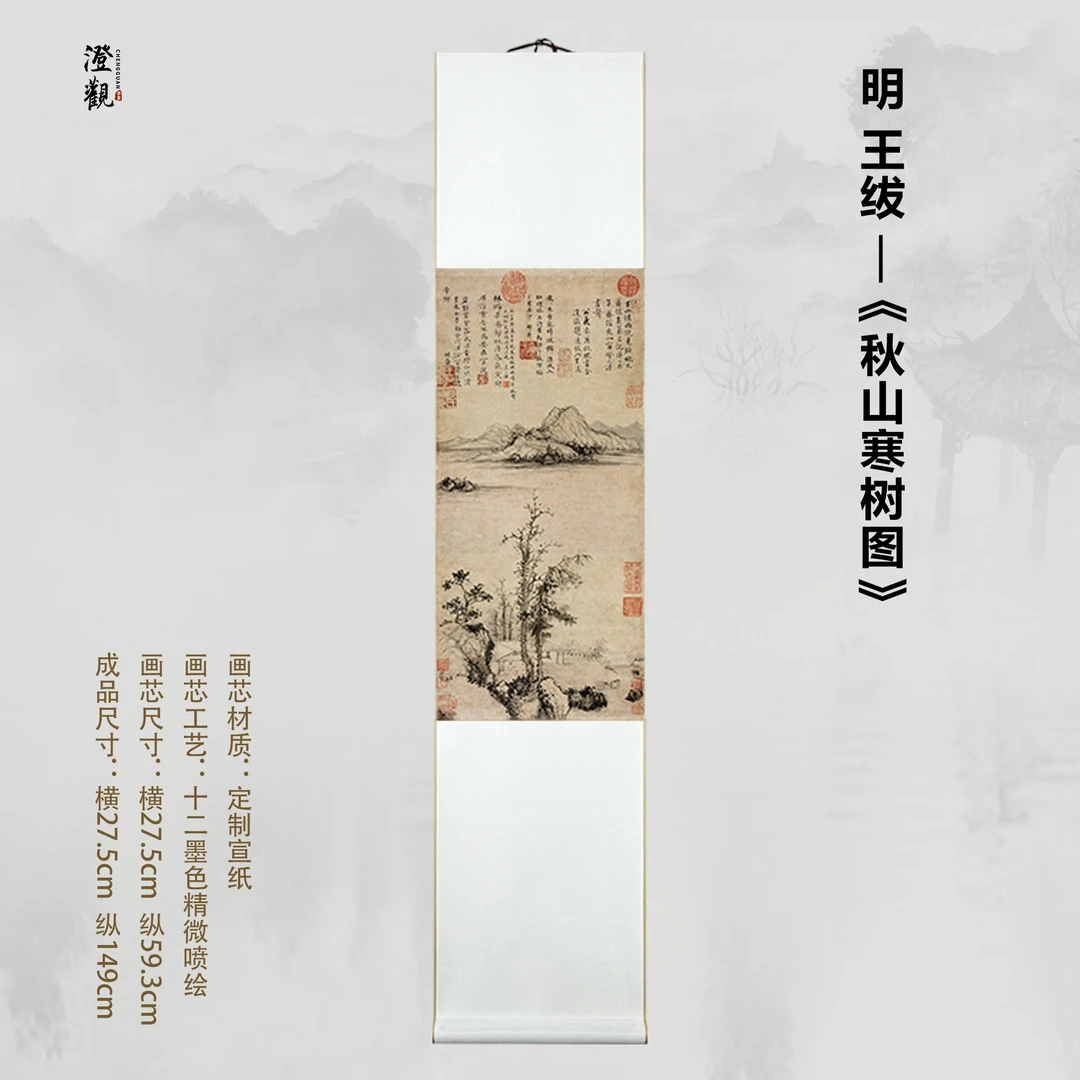
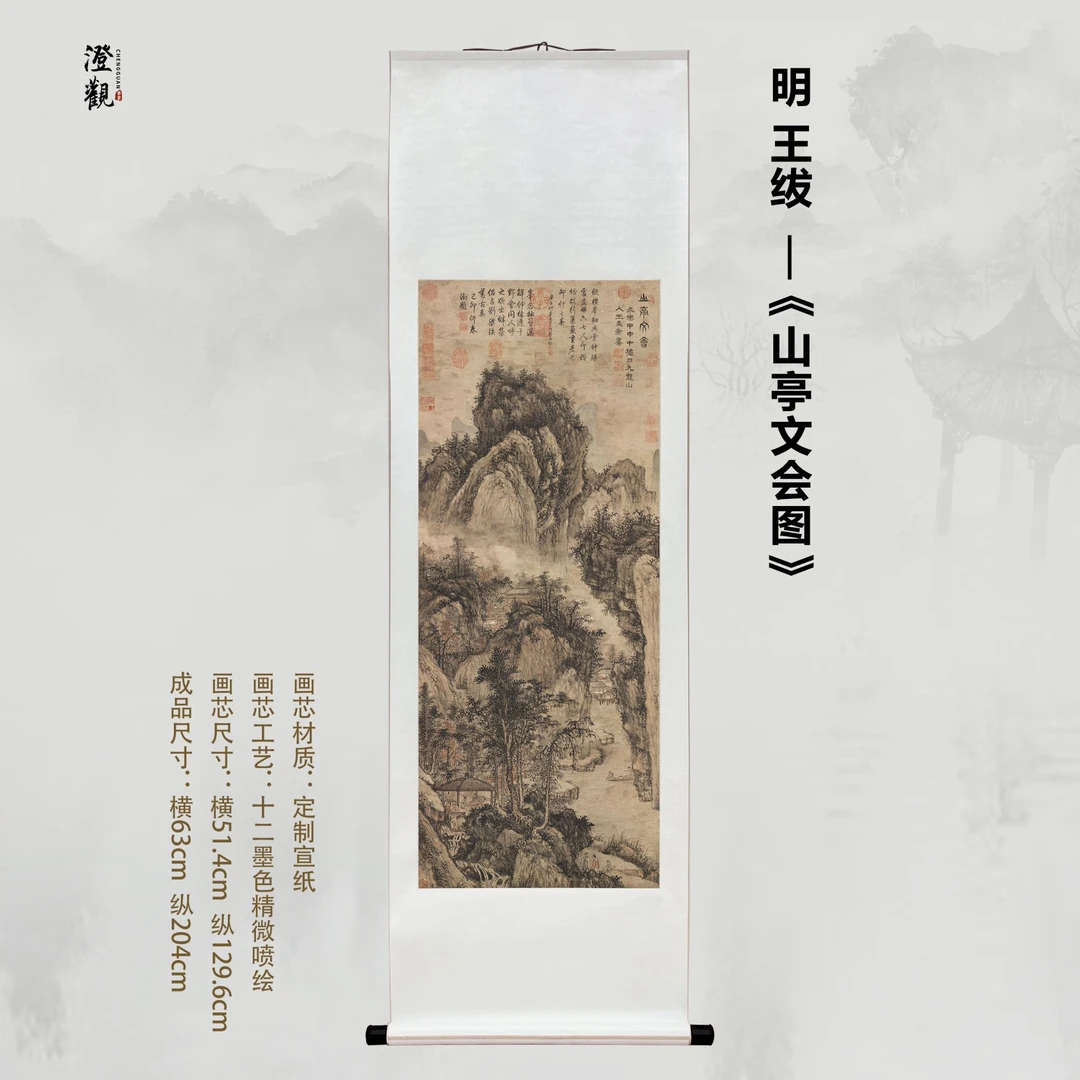
— ALL MASTERPIECES LOADED —