Tang Yin (唐寅): The Legend of Tang Bohu and the Synthesis of Ming Painting
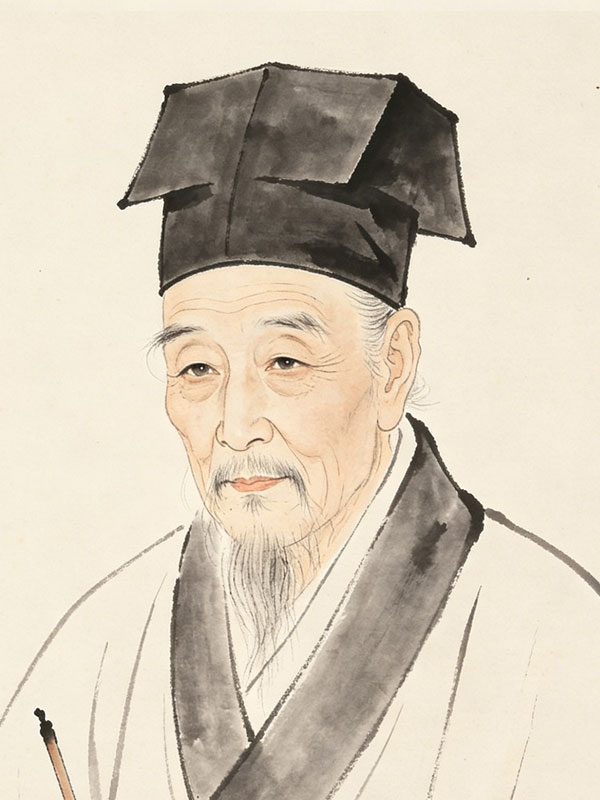
Tang Yin (1470–1524), better known by his courtesy name Tang Bohu (唐伯虎) and pseudonym Liu-ru Jushi (六如居士), was a legendary figure of the Ming Dynasty. A native of Suzhou, he is celebrated as one of the "Four Masters of the Ming" (明四家). His life, marked by early brilliance and subsequent tragedy, turned him into one of the most romanticized and enduring figures in Chinese popular culture and art history.
1. The Rise and Fall of a Prodigy
Tang Yin was a renowned child prodigy. In 1498, he ranked first in the provincial imperial examinations in Nanjing, earning the title "Nanjing Jieyuan" (南京解元). However, his promising political career was shattered in 1499 when he was implicated in a bribery scandal during the national examinations in Beijing. Imprisoned and banned from ever holding high office, Tang Yin returned to Suzhou in disgrace, eventually turning to a life as a professional painter and poet to support himself—a path that would lead to his artistic immortality.
2. Artistic Style: A Synthesis of Traditions
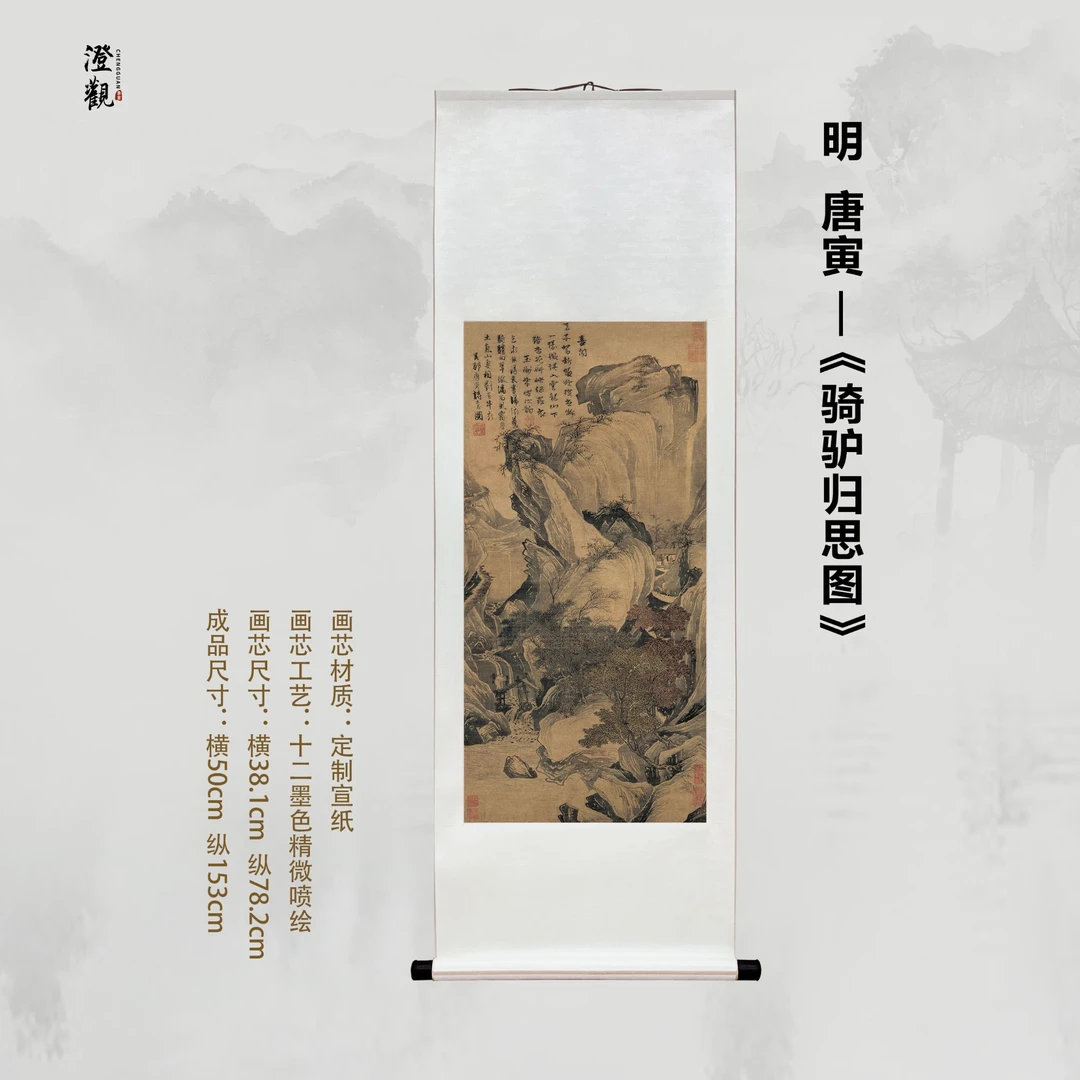
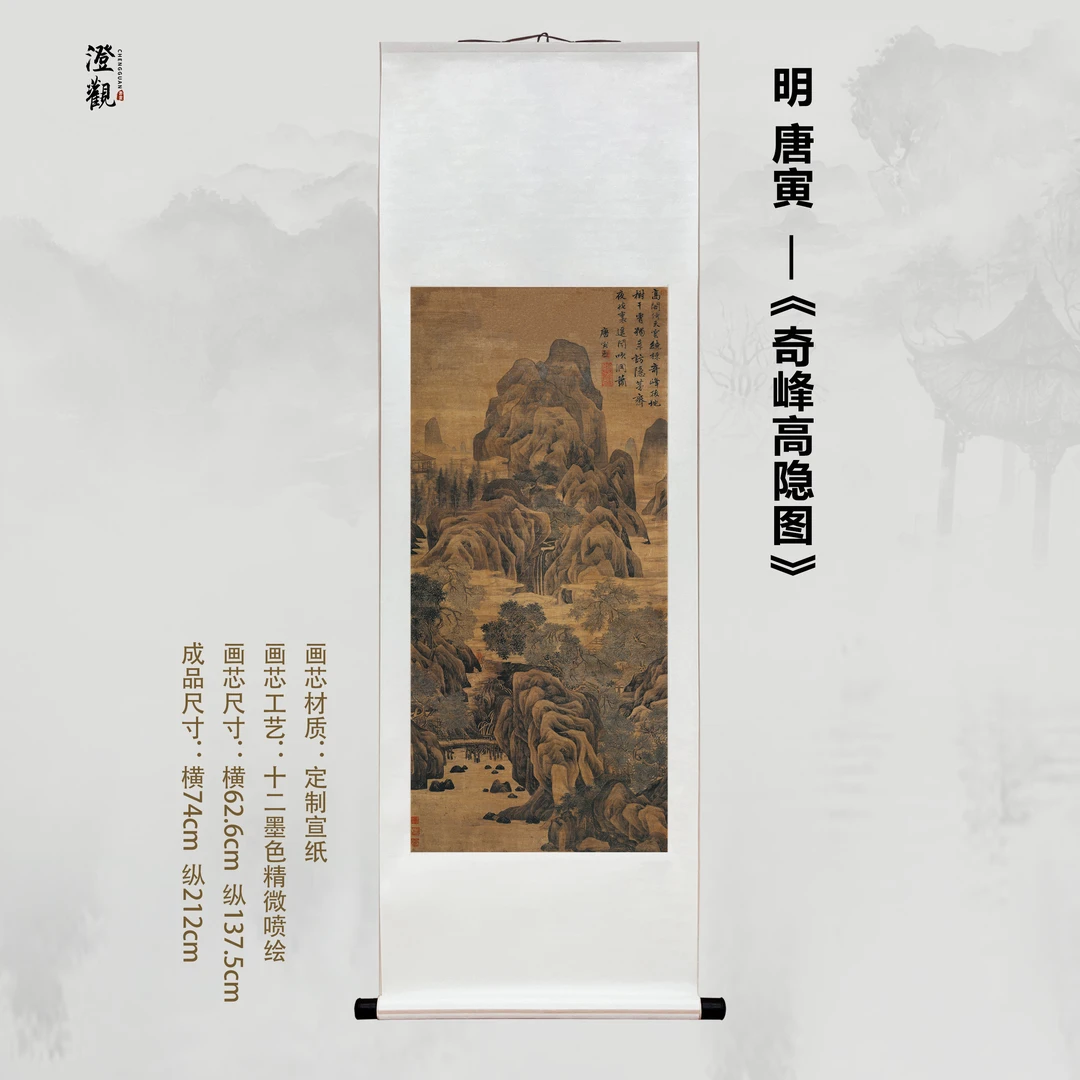
Tang Yin’s art is unique because it bridges the gap between the literati (Wenren) style and the professional academy style. His primary teacher was Zhou Chen, but he drew deep inspiration from the Southern Song masters. His style is characterized by:
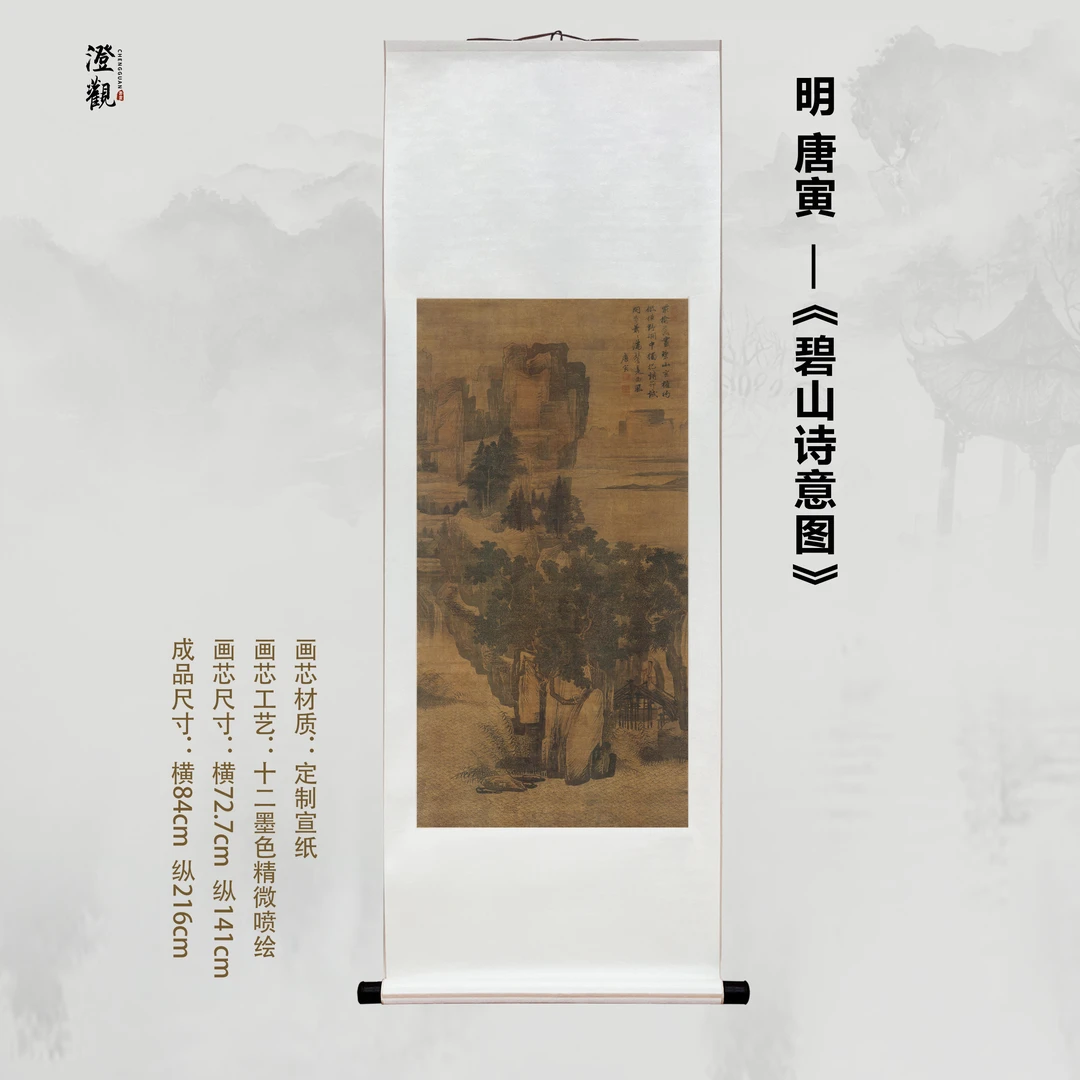
- The Li Tang Influence: He mastered the "axe-cut" stroke (fupi cun), a technique used to depict rugged, crystalline rock formations, which he inherited from the Southern Song master Li Tang.
- Ma-Xia School Lyricism: He adopted the atmospheric "one-corner" compositions of Ma Yuan and Xia Gui, blending them with the elegant, scholarly sensibilities of his peers, Shen Zhou and Wen Zhengming.
- Northern vs. Southern Balance: His landscapes possess the monumental scale of Northern Song art while maintaining the lyrical intimacy of the South.
3. Mastery of Figure Painting and "Meiren"
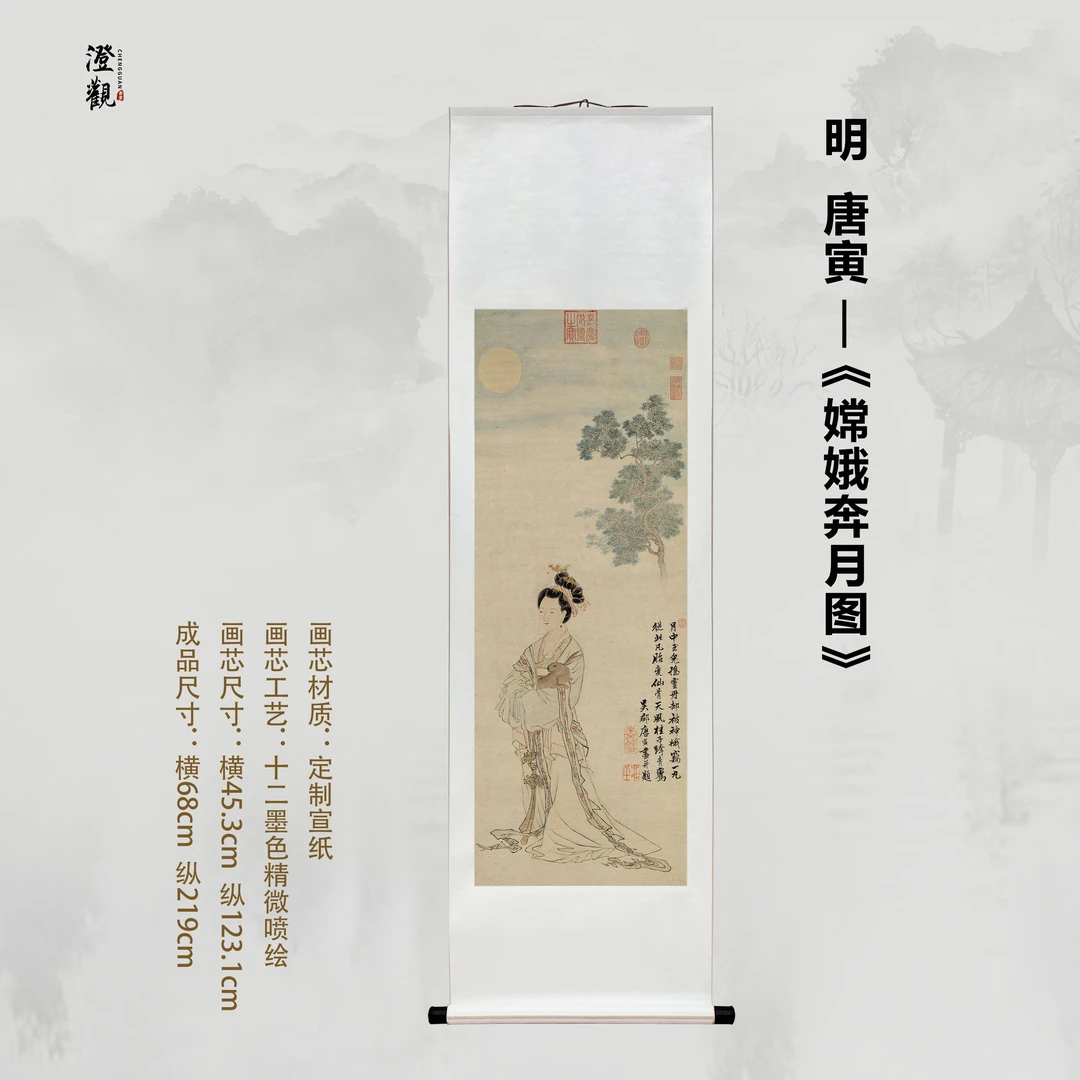
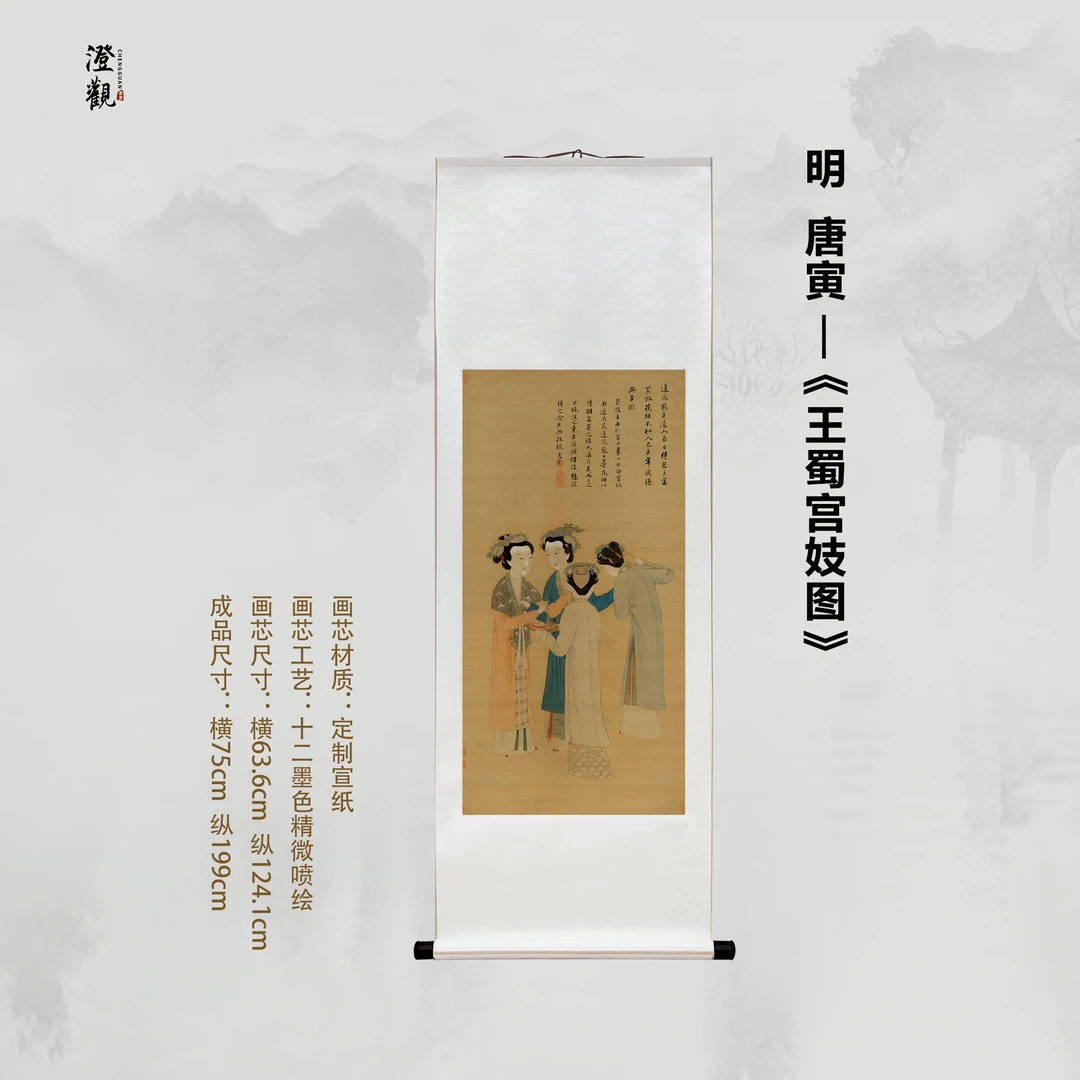
While many of his contemporaries focused almost exclusively on landscapes, Tang Yin was a master of figure painting. He is particularly famous for his depictions of Meiren (beautiful women). His portrayals of court ladies and historical figures are noted for their delicate lines, rich colors, and psychological depth. Works such as "Court Ladies of the Shu Kingdom" demonstrate his ability to combine decorative beauty with a sense of classical dignity.
4. The "First Talented Man of Jiangnan"
Tang Yin was a quintessential polymath, excelling in the "Three Perfections": painting, poetry, and calligraphy. He styled himself as the "First Talented Man of Jiangnan" (江南第一风流才子). His poetry often reflected his cynicism and sorrow regarding his failed career, often infused with Zen Buddhist themes and a deep appreciation for wine and nature. His calligraphy was fluid and spirited, inspired by the Tang master Li Yong and the Song master Zhao Mengfu.
5. Legacy and Popular Folklore
Tang Yin’s historical reality is often blurred by popular folklore. He is the subject of countless plays, movies, and novels, most famously the legend of "Tang Bohu Pointing to Autumn Fragrance" (唐伯虎点秋香), which portrays him as a witty, romantic hero with nine wives. In reality, his life was one of financial struggle and intellectual isolation. Despite this, his authentic works, preserved in the Palace Museum and the National Palace Museum, stand as a testament to a man who transformed personal failure into artistic genius.