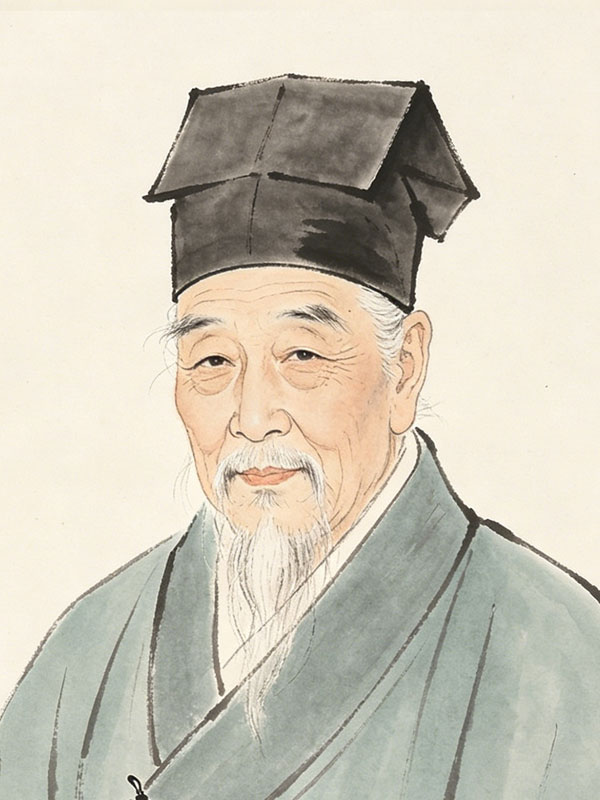
Sun Zhi (孙枝): The Refined Inheritor of the Wu School Tradition
Sun Zhi (active c. 1540–1600), courtesy name Shuda (叔达) and pseudonym Huqi (虎丘), was a prominent landscape and figure painter during the mid-to-late Ming Dynasty. A native of Suzhou (the cultural heart of the Ming era), he was a dedicated practitioner of the Wu School (吴门画派) and is recognized for his ability to preserve the elegant, scholarly aesthetic established by the generation of Wen Zhengming.
1. Artistic Lineage and the Wu School Influence
Sun Zhi flourished during the peak of the Suzhou art scene. He was deeply influenced by the "fine" style of Wen Zhengming, the patriarch of the Wu School. While many artists of the late Ming began to experiment with more eccentric or "wild" styles, Sun Zhi remained a steadfast guardian of literati (Wenren) refinement. His work reflects the high standards of the scholar-official class, emphasizing poetic resonance and formal balance over commercial flashiness.
2. Landscape Mastery: Detail and Verticality
Sun Zhi’s landscapes are celebrated for their meticulous execution and structural clarity. His stylistic hallmarks include:
- Fine Brushwork (Gongbi-inflected): His lines are delicate, firm, and precise, often utilizing the "fine-style" textures popularized by the Wen family.
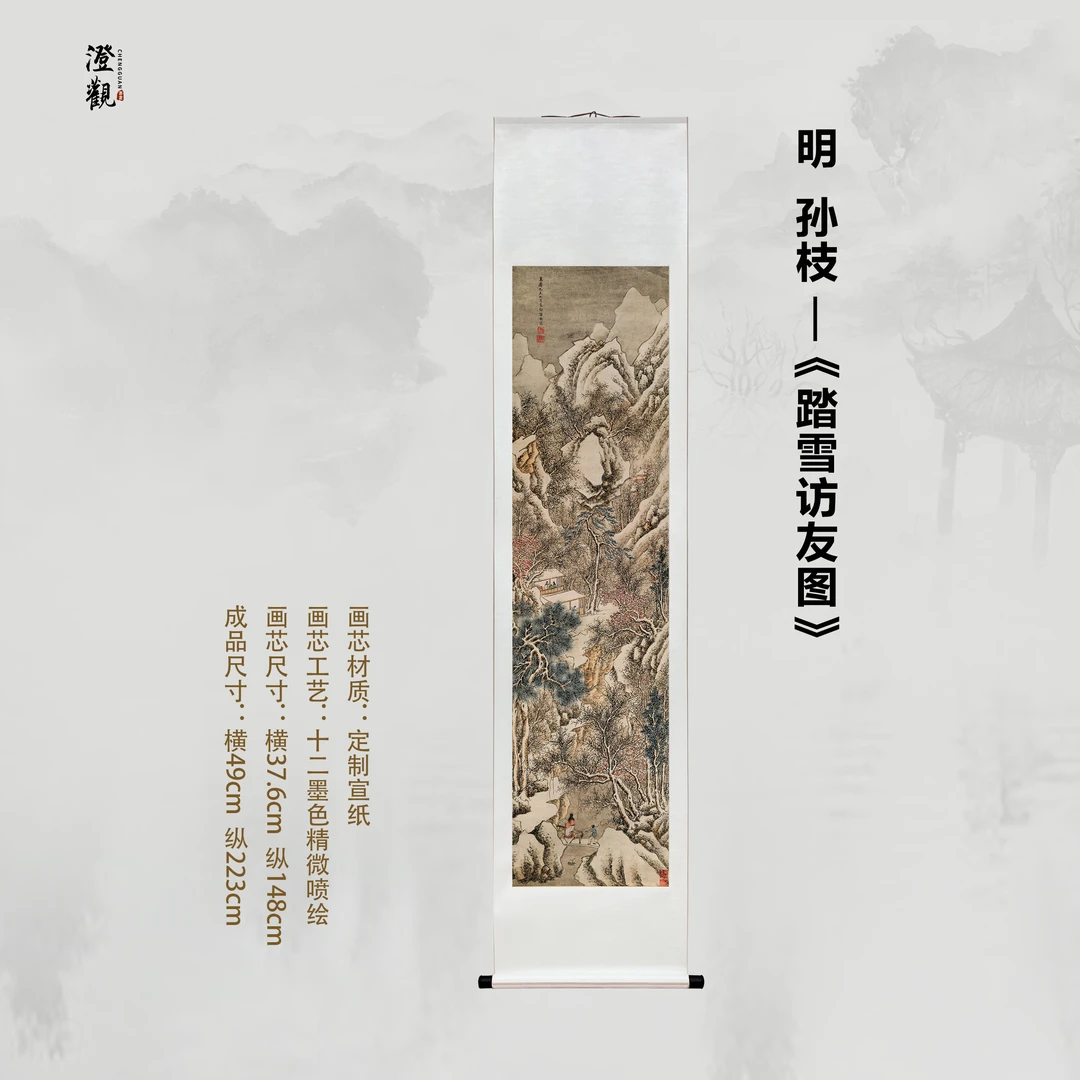
- Dense Compositions: He excelled in vertical hanging scrolls that featured multi-layered mountain ranges, winding paths, and secluded pavilions. His mountains often possess a crystalline quality, reminiscent of the Northern Song masters but rendered with the lightness of the Ming.
- Atmospheric Perspective: He was a master of using light ink washes and subtle color (typically pale green and ochre) to create a sense of misty distance and scholarly tranquility.
3. Versatility: Figures and Flowers
Unlike some specialists who only painted mountains, Sun Zhi was a versatile artist. He was highly regarded for his:
- Figure Painting: He often placed scholars and hermits within his landscapes, depicting them with a sense of dignity and calm. His figure drawing was precise, echoing the Tang Dynasty traditions of elegant portraiture.
- Flower and Plant Studies: His depictions of bamboo, plum blossoms, and orchids followed the "gentlemanly" tradition, where each stroke was intended to represent a facet of the artist's moral character.
4. Historical Context and Collector Preference
During the late 16th century, Sun Zhi’s works were highly sought after by the elite collectors of the Jiangnan region. His art represented a "safe" and sophisticated orthodox style that appealed to the traditional tastes of the Ming gentry. Because his work so closely captured the spirit of the Suzhou literati, he was often commissioned to create paintings for social gatherings, farewells, and scholarly retirements.
5. Legacy and Museum Collections
While Sun Zhi is sometimes overshadowed by the "Four Masters of the Ming," he is considered a vital second-generation pillar of the Wu School. His work ensured the continuity of the Suzhou aesthetic well into the late Ming period. Today, his authentic masterpieces are preserved in major institutions, including:
- The Palace Museum (Beijing)
- The National Palace Museum (Taipei)
- The Shanghai Museum
— ALL MASTERPIECES LOADED —