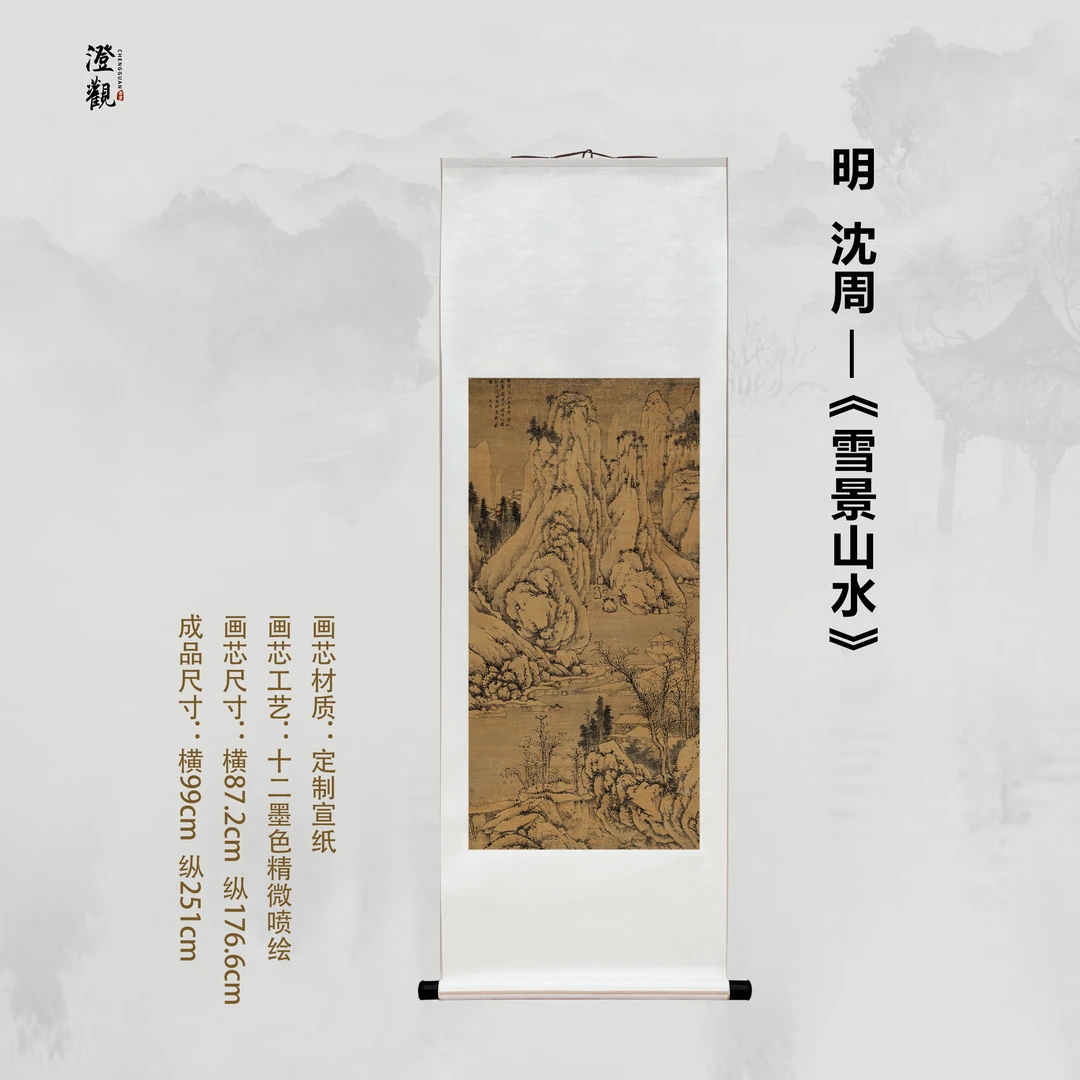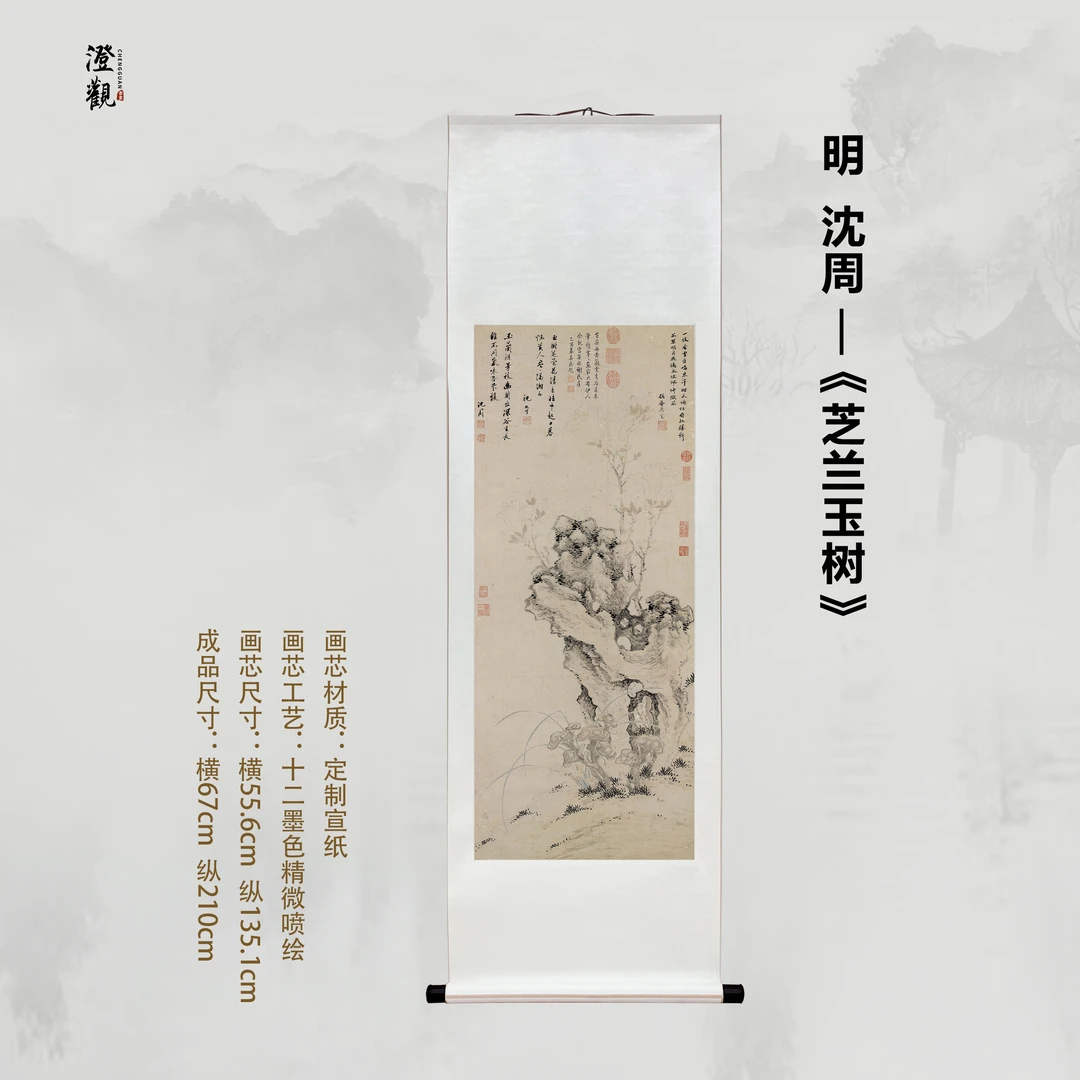
Shen Zhou (沈周): Patriarch of the Wu School and Ming Dynasty Master
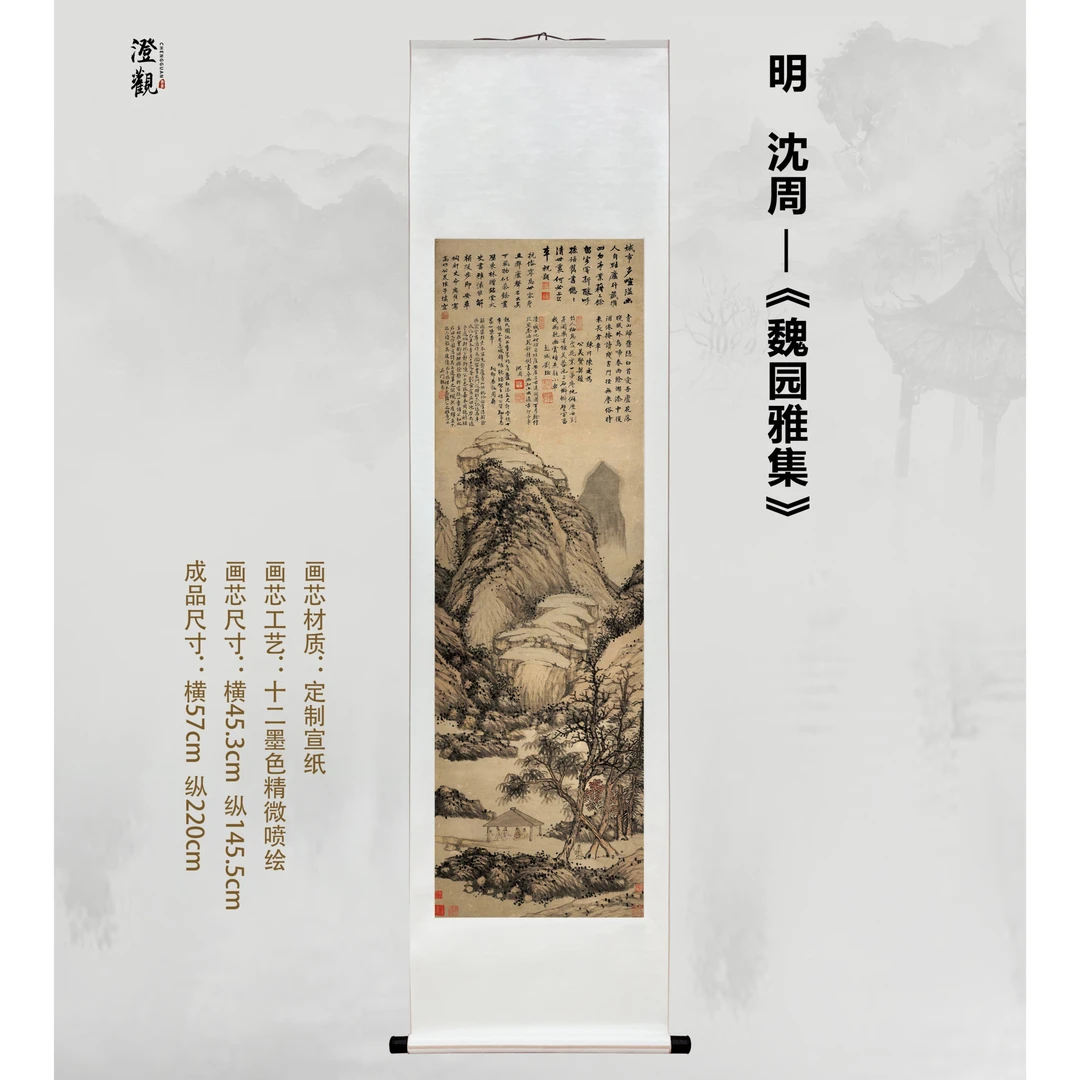
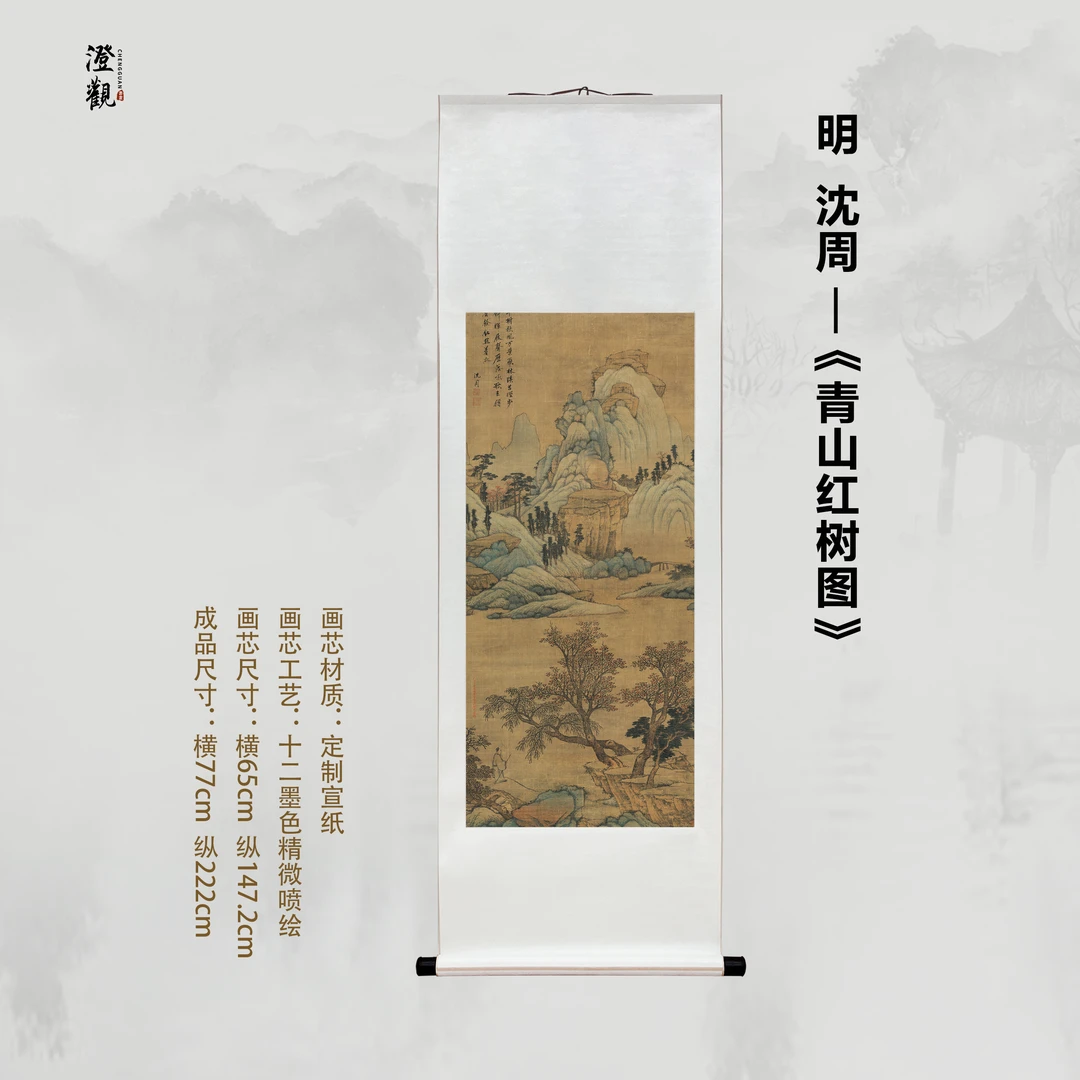
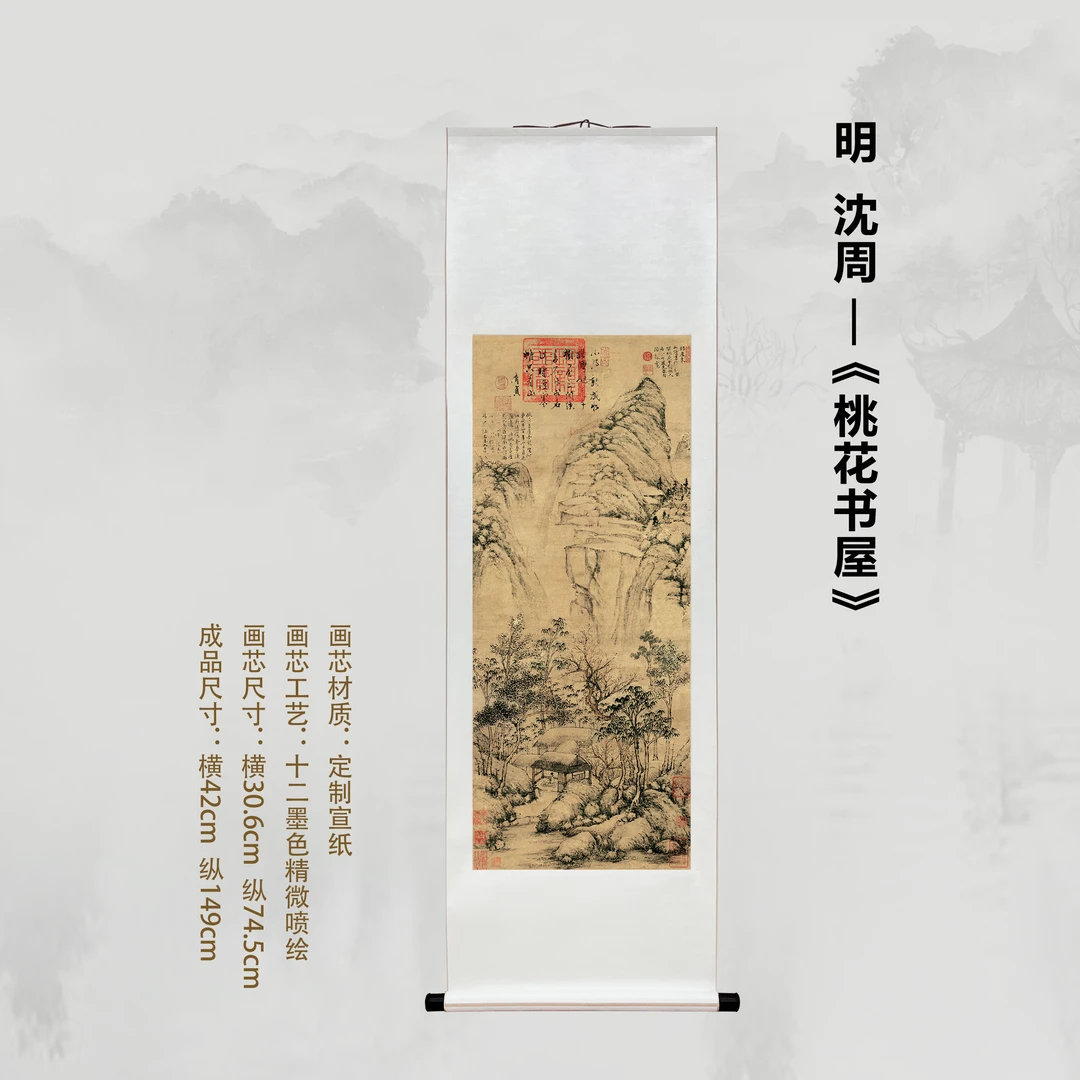
Shen Zhou (1427–1509), courtesy name Qinan (启南) and pseudonyms Shitian (石田) and Baishi Weng (白石翁), was a monumental figure in Chinese art history. As the founder of the Wu School (吴门画派) in Suzhou, he redefined the literati painting (Wenrenhua) tradition and is immortalized as the first of the "Four Masters of the Ming" (明四家), alongside Wen Zhengming, Tang Yin, and Qiu Ying.
1. The Scholar-Recluse of Suzhou
Unlike many of his peers, Shen Zhou never pursued a political career or sat for the imperial examinations. Hailing from a wealthy and scholarly family in Xiangcheng, near Suzhou, he chose a life of reclusion to care for his widowed mother and devote himself to the arts. His home became a cultural sanctuary, attracting the finest minds of the 15th century and establishing Suzhou as the undisputed artistic capital of the Ming Dynasty.
2. Artistic Evolution: "Fine" vs. "Coarse" Shen
Shen Zhou’s vast body of work is often categorized into two distinct stylistic periods, reflecting his technical growth and spiritual maturity:
- "Fine Shen" (Xi Shen): In his early years, he practiced a meticulous and delicate style, deeply influenced by the Yuan Dynasty masters, particularly Wang Meng. These works feature dense compositions and intricate, layered brushwork.
- "Coarse Shen" (Cu Shen): In his middle and later years (after age 40), his style became bold, expansive, and expressive. Influenced by Wu Zhen and Huang Gongwang, he utilized broad, forceful brushstrokes and simplified forms to capture the "spirit resonance" (qiyun) of the landscape rather than mere physical accuracy.
3. Mastery of the "Three Perfections"
Shen Zhou was a master of the "Three Perfections" (Sanjue): painting, poetry, and calligraphy. He was a prolific poet whose verses often explored the harmony between humanity and nature. His calligraphy, inspired by the powerful style of the Song master Huang Tingjian, was characterized by strength and rhythmic vitality. He was a pioneer in integrating long poetic inscriptions directly into the composition of his paintings, making the text an inseparable part of the visual experience.
4. Versatility in Subject Matter
While primarily known for his monumental landscapes, Shen Zhou was a remarkably versatile artist. He revolutionized Flower-and-Bird painting by applying the "boneless" (mogu) technique and expressive ink washes to humble subjects like vegetables, fruit, and domestic animals. His depictions of these everyday objects were imbued with the same philosophical depth as his grand mountain vistas, reflecting the Zen-like appreciation for the present moment.
5. Legacy and the Wu School
Shen Zhou’s greatest legacy was the formation of the Wu School, which dominated Chinese painting for centuries. He was a generous mentor and teacher, most notably to Wen Zhengming, who would go on to lead the school after Shen's death. His synthesis of the Song and Yuan traditions provided a roadmap for later literati artists, emphasizing sincerity, amateurism, and moral cultivation over professional artifice.
His masterpiece, "Lofty Mount Lu" (Lushan Gao), created as a birthday gift for his teacher Chen Kuan, remains one of the most famous paintings in the National Palace Museum, symbolizing the towering virtue of the scholar-gentleman.