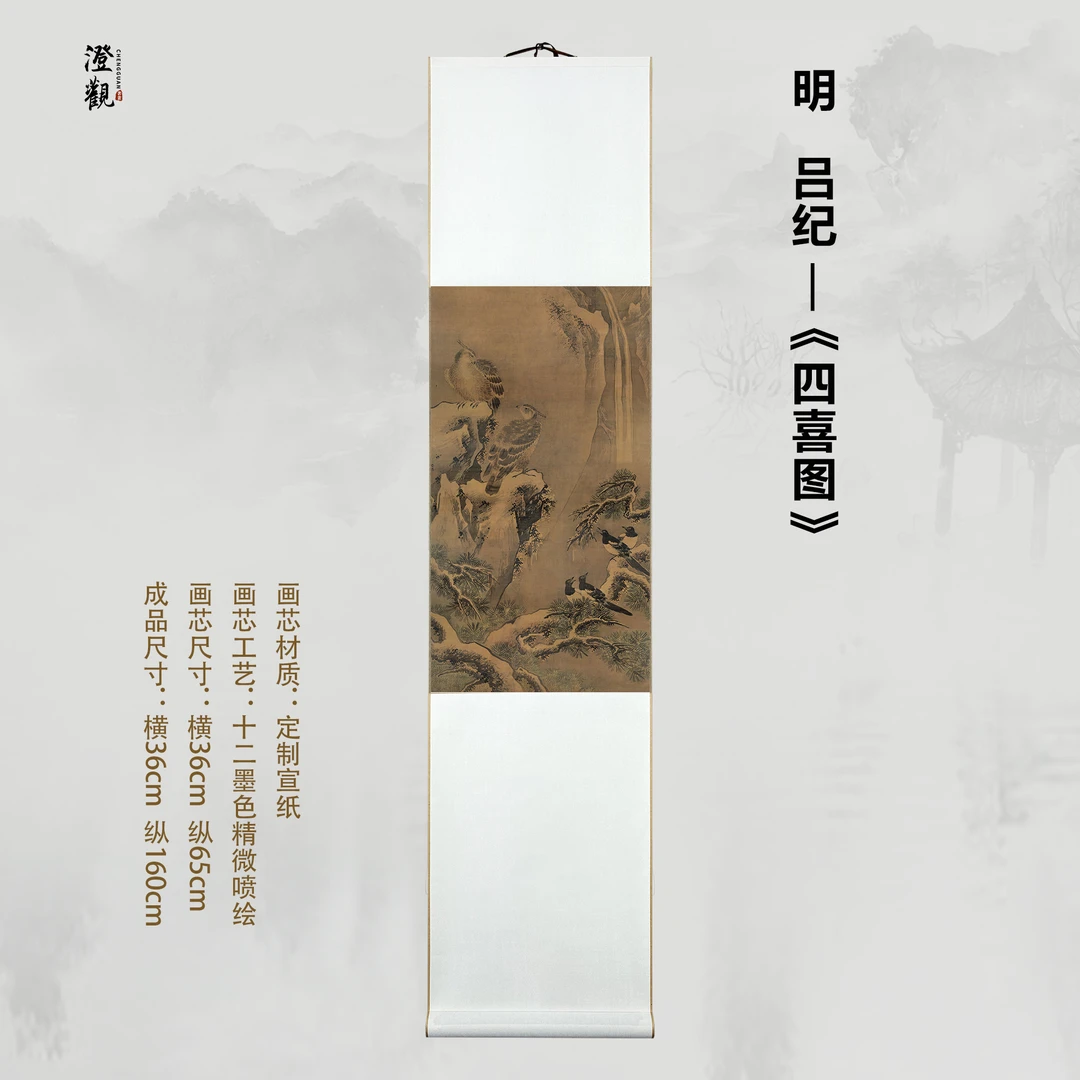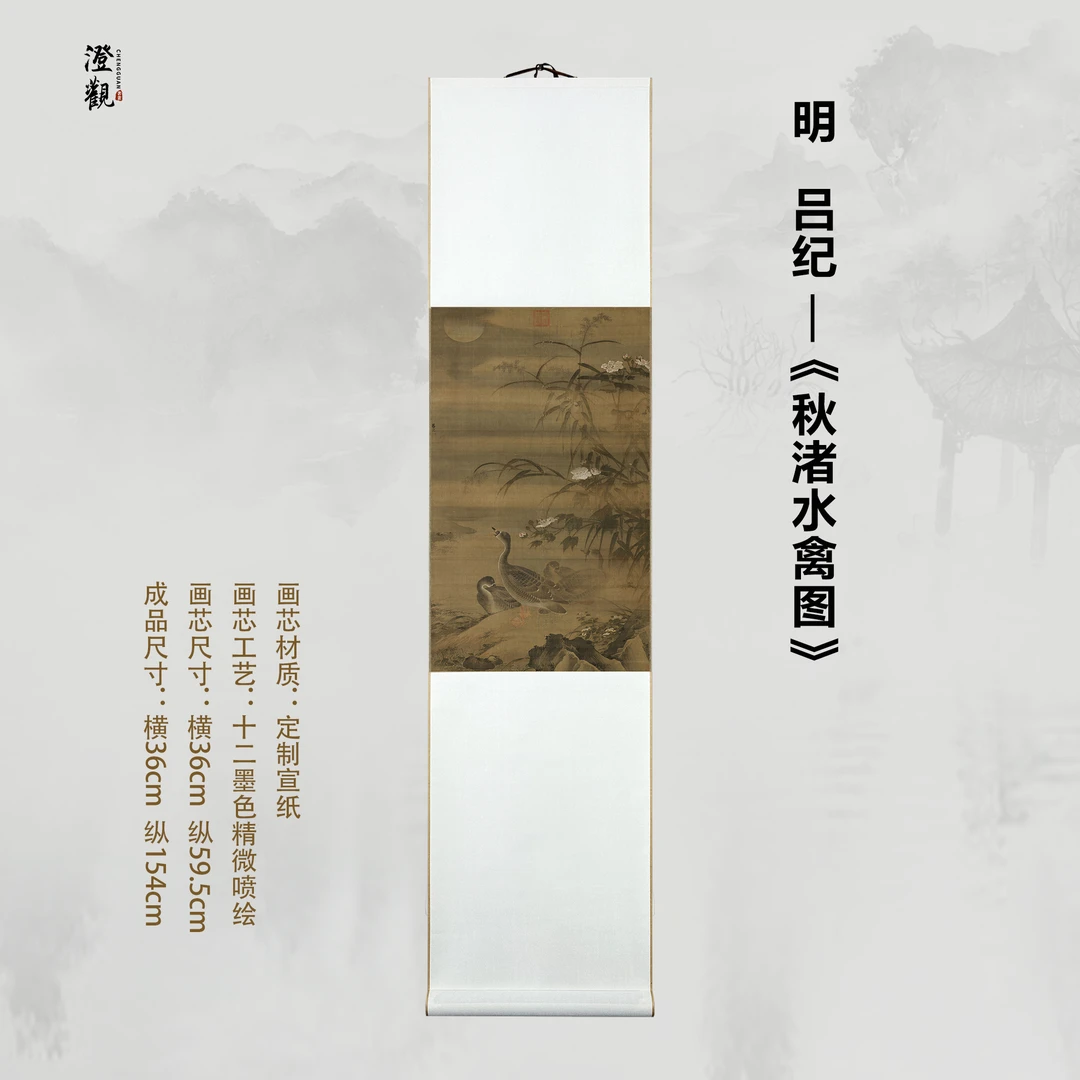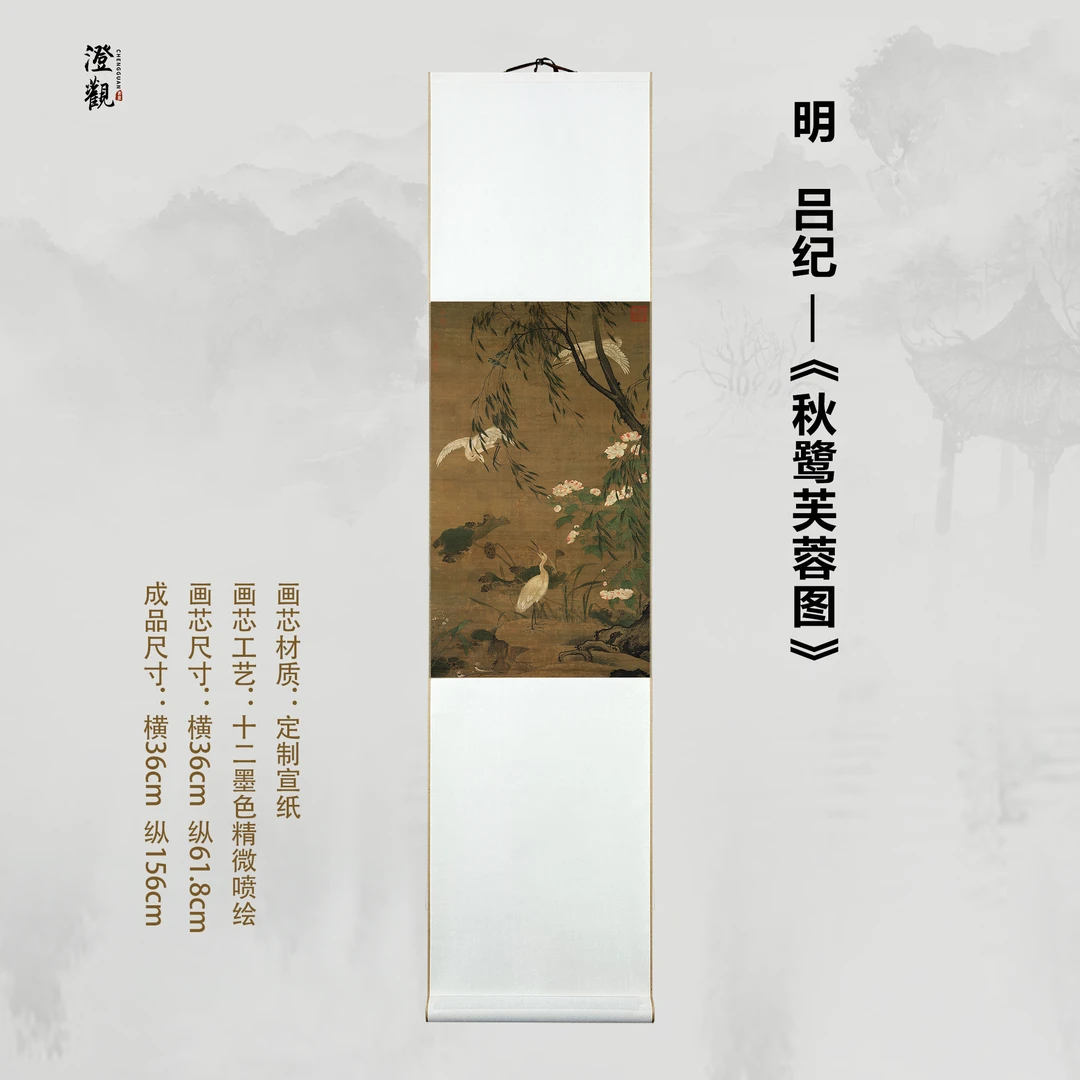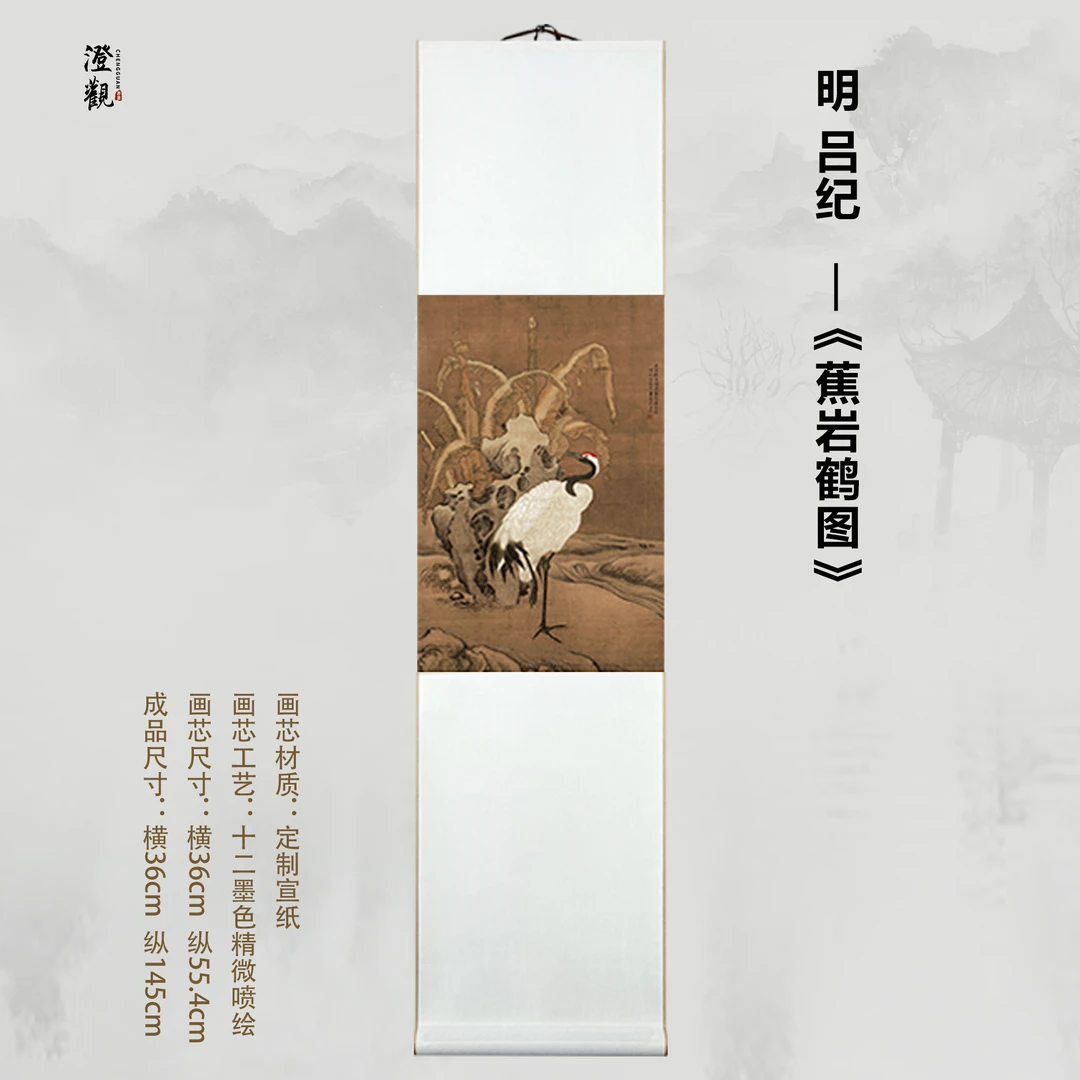
Lü Ji (吕纪): The Pinnacle of Ming Dynasty Court Flower-and-Bird Painting
Lü Ji (c. 1477–?), courtesy name Tingzhen (廷振) and pseudonym Leyu (乐渔), was the most celebrated court painter of the middle Ming Dynasty. A native of Ningbo, Zhejiang, he served during the Hongzhi reign and rose to the prestigious rank of Commander in the Embroidered Uniform Guard (Jinyiwei), a high-honorary title often bestowed upon the Emperor's favorite artists. He is historically recognized as the definitive master of the Ming court style of flower-and-bird painting.
1. The Architect of the Imperial Aesthetic
Lü Ji was the central figure of the Imperial Painting Academy. His work defined the visual splendor of the Ming court, moving away from the sparse ink-wash traditions of the early Ming toward a more luxurious, colorful, and decorative style. His position allowed him to study the vast imperial collection, where he synthesized the techniques of the Tang and Song dynasties to create a new, grand standard for palace decoration.
2. Mastery of the "Gongbi" (Meticulous) Style
Lü Ji is best known for his Gongbi heavy-color (zhongcai) technique. His paintings were characterized by:
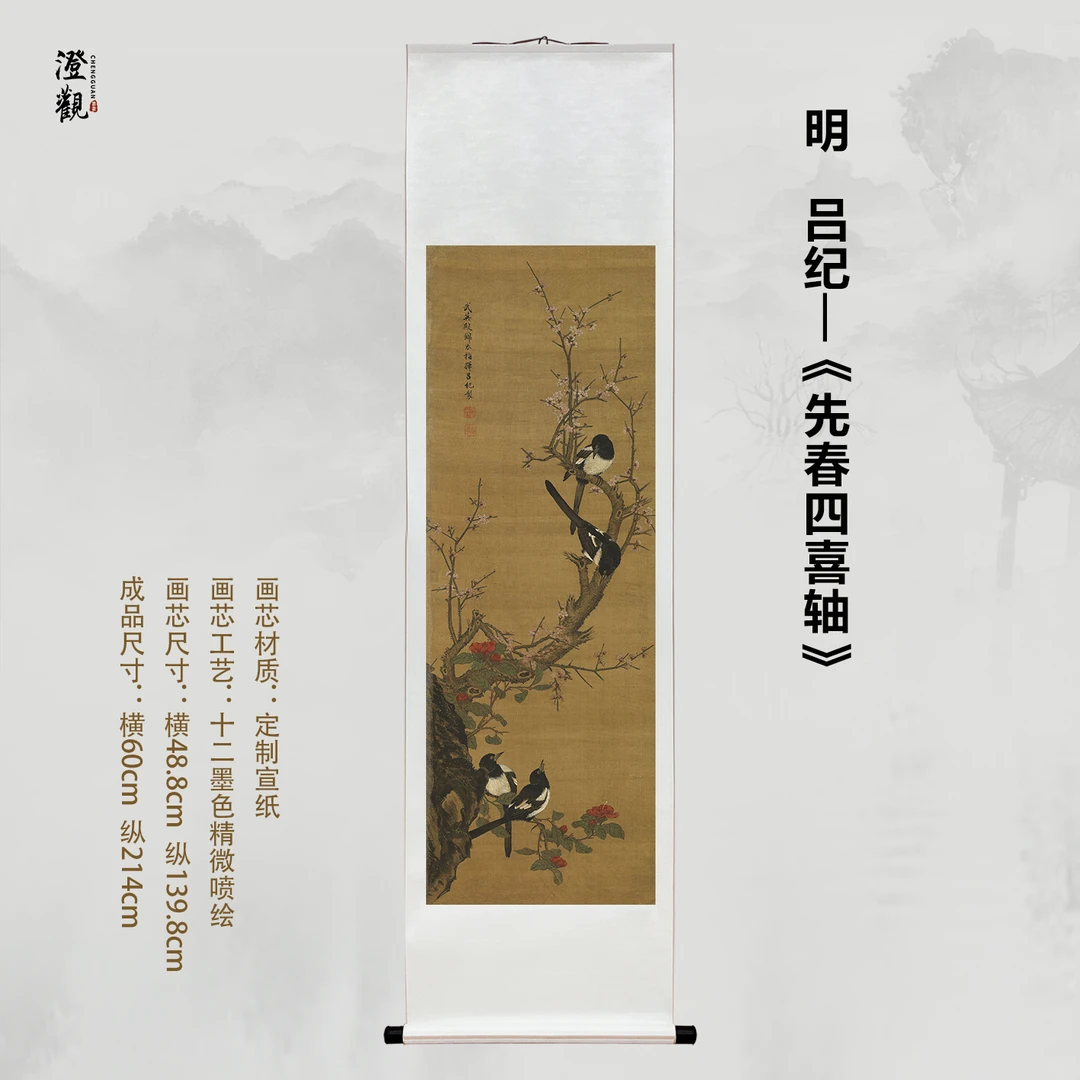
- Exquisite Detail: He depicted the feathers of birds, the texture of flower petals, and the scales of fish with microscopic precision and vibrant mineral pigments.
- Monumental Scale: Unlike the small album leaves of the Song Dynasty, Lü Ji often worked on large-scale hanging scrolls designed to occupy the massive walls of imperial halls.
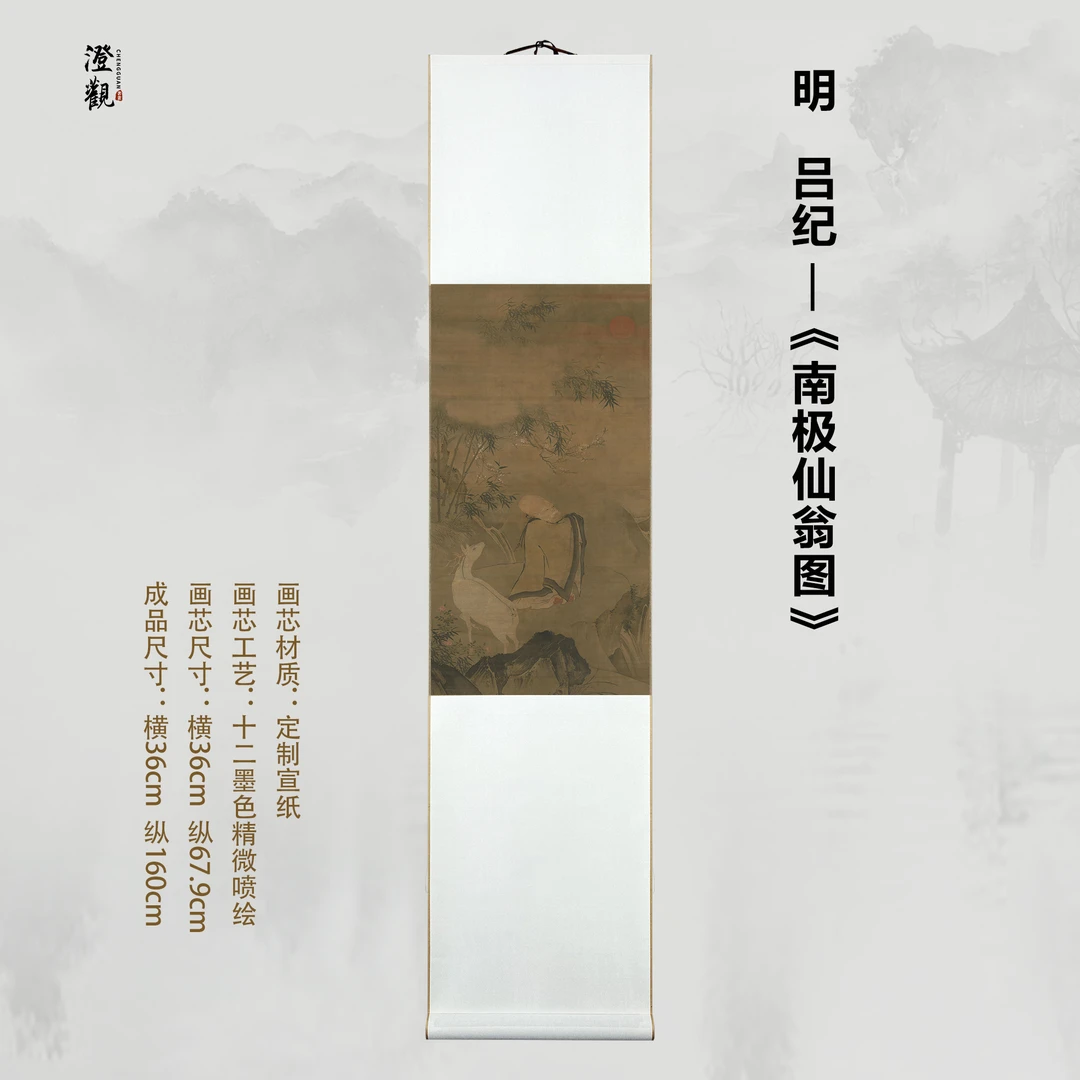
- Landscape Integration: A hallmark of his style was placing his subjects within a landscape setting influenced by the Ma-Xia School (Ma Yuan and Xia Gui), featuring rugged rocks and gnarled trees that added dramatic structure to the composition.
3. Versatility: The "Fine" and "Sketchy" Facets
While his meticulously colored works are his most famous, Lü Ji was a versatile master who could also paint in the Xieyi (freehand) style. Influenced by his contemporary Lin Liang, he produced ink-wash paintings of eagles and wild herons that were vigorous and spontaneous. This ability to master both the refined (gong) and the expressive (yi) made him a rare bridge between professional craftsmanship and literati sensibility.
4. Symbolic and Moral Narratives
In the Ming court, paintings were rarely purely aesthetic; they often carried political and moral symbolism. Lü Ji’s works frequently functioned as allegories of virtue:
- Cranes and Pine Trees: Symbolizing longevity and the endurance of the state.
- Eagles and Hawks: Representing heroism and military might.
- Phoenixes and Peonies: Signifying imperial grace, wealth, and auspicious governance.
5. Historical Legacy and Global Influence
Lü Ji’s influence on flower-and-bird painting (Huaniao) was absolute for centuries. His "Ming Court Style" was adopted by generations of professional painters and significantly impacted the Zhe School. His legacy traveled across borders, profoundly influencing Japanese Kano School artists and Vietnamese court painting. Today, his authentic masterpieces are preserved in the Palace Museum in Beijing, the National Palace Museum in Taipei, and the Tokyo National Museum.