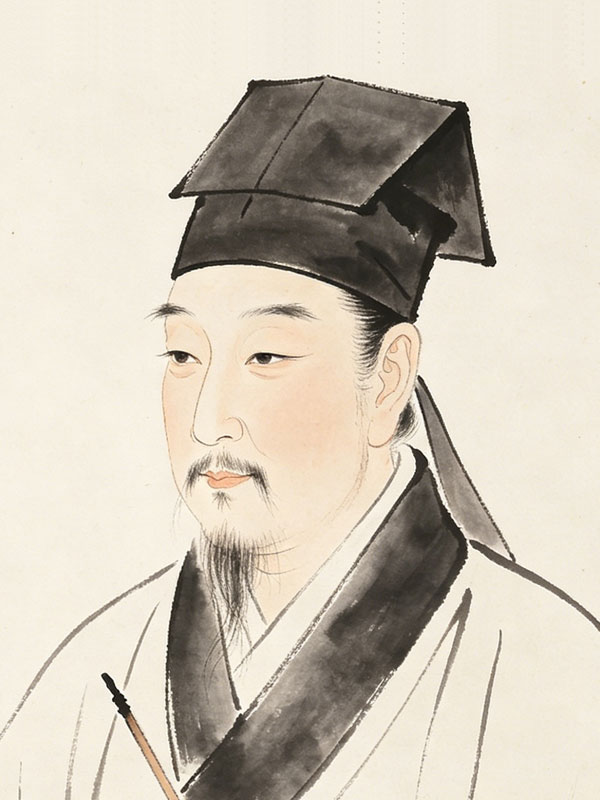
Lu Zhi (陆治): The Master of Elegant Landscapes and Floral Grace
Lu Zhi (1496–1576), courtesy name Shudao (叔道) and pseudonym Baoshan (包山), was a preeminent painter, calligrapher, and poet of the middle Ming Dynasty. A native of Suzhou, he was one of the most talented and versatile disciples of the legendary Wen Zhengming. As a key figure in the Wu School (吴门画派), Lu Zhi is celebrated for his unique landscape structures and his exceptionally delicate flower-and-bird paintings.
1. The Scholar-Recluse of Lake Tai
Lu Zhi epitomized the literati (Wenren) ideal. Although he was highly educated, he lived a life of scholarly reclusion near the scenic Lake Tai. He spent much of his time at Mount Baoshan (hence his pseudonym), where he cultivated gardens and immersed himself in nature. His art was not a commercial product but a medium for spiritual expression and a reflection of his quiet, disciplined character.
2. Landscape Style: Geometric Precision and Dry Ink
While many of Wen Zhengming's followers mimicked their teacher closely, Lu Zhi developed a distinctive landscape style that set him apart. His hallmarks include:
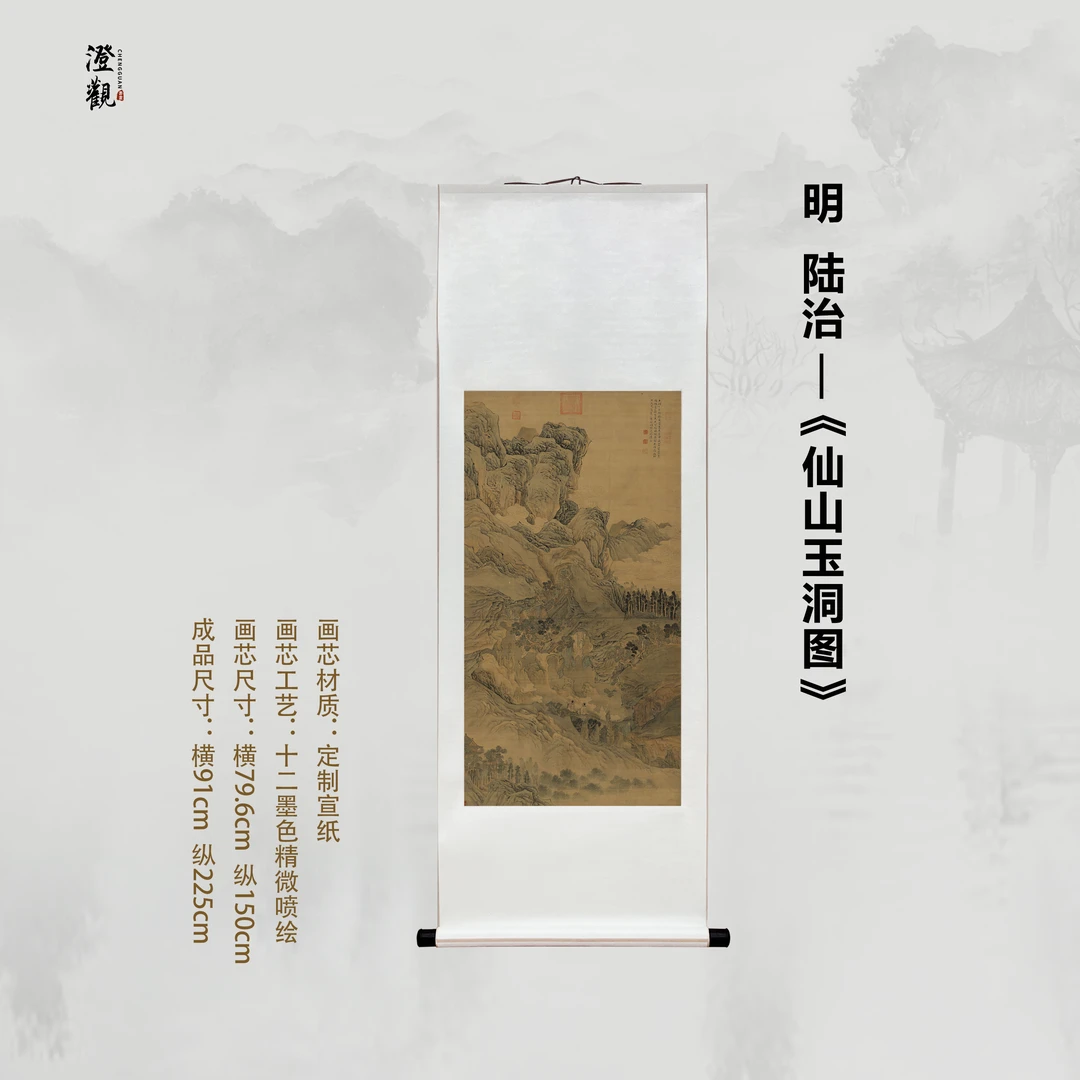
- Angular Rock Formations: His mountains and cliffs are often described as "cubic" or geometric, featuring sharp edges and crystalline structures that suggest the influence of the Yuan master Ni Zan.
- Dry Brush Technique (Kubi): He excelled at using dry ink and "light coloring" (qianjiang) to create textures that felt ancient, pure, and aloof.
- Spatial Clarity: His compositions often utilized expansive negative space, evoking the misty, tranquil atmosphere of the Jiangnan water regions and the secluded peaks of the Suzhou countryside.
3. Mastery of Flower-and-Bird Painting
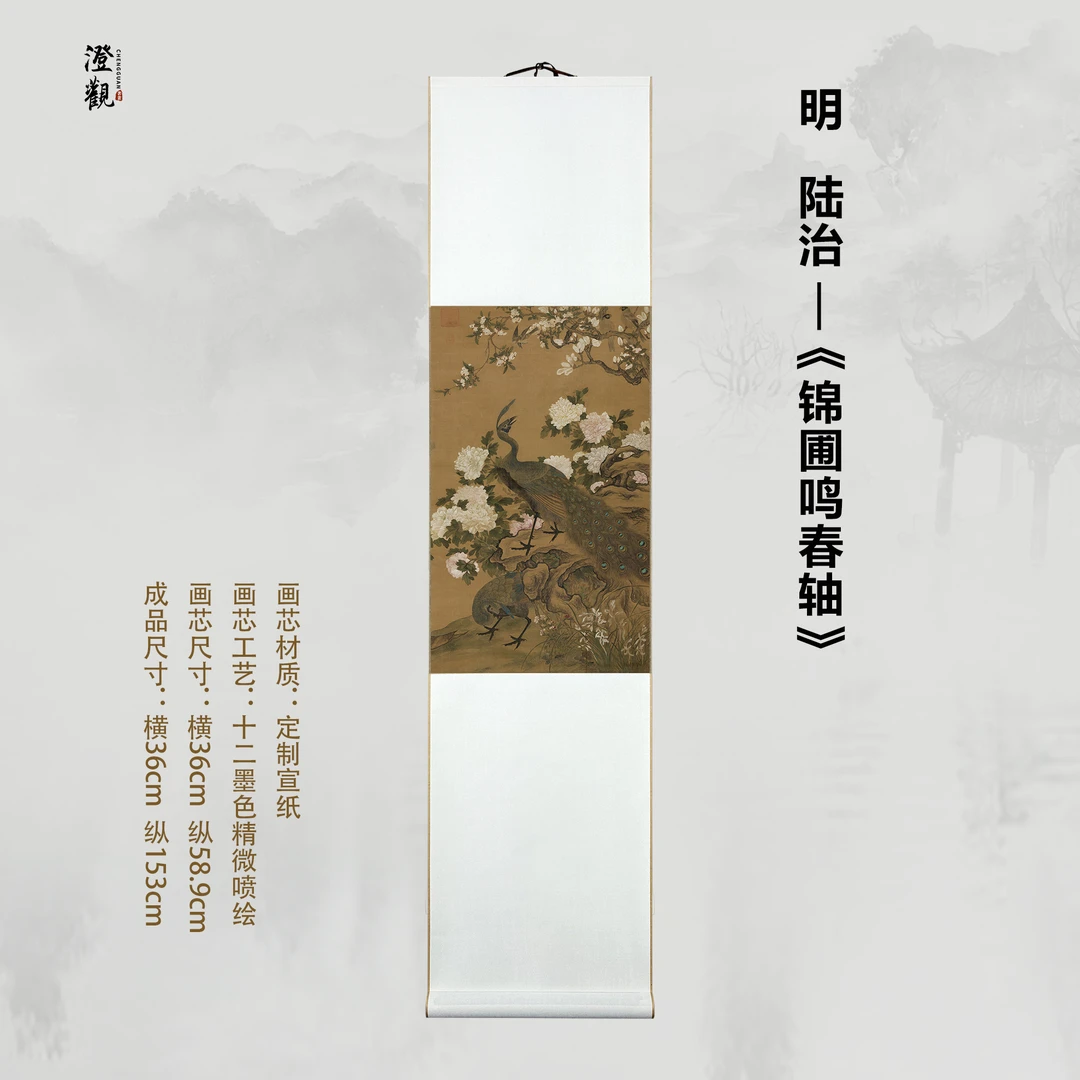
Lu Zhi is arguably even more famous for his flower-and-bird (Huaniao) works than his landscapes. He successfully blended the Meticulous (Gongbi) tradition with the Freehand (Xieyi) spirit.
- Boneless Technique (Mogu): He was a master of the "boneless" style, where forms are created through washes of color and ink rather than harsh outlines. This gave his lotuses, peonies, and plum blossoms a naturalistic softness and vitality.
- Scholar's Taste: Unlike the decorative court style of Lü Ji, Lu Zhi’s flowers possessed a refined elegance and "literati fragrance," emphasizing the poetic essence of the plant over mere botanical accuracy.
4. The Intersection of Poetry and Calligraphy
In accordance with the "Three Perfections", Lu Zhi was a highly accomplished calligrapher and poet. He studied calligraphy under Zhu Yunming, which lent a sense of rhythmic strength to his brushwork. His inscriptions were often deeply personal, describing the joy of reclusion or the passing of the seasons, effectively turning his paintings into visual poems.
5. Historical Legacy and Major Works
Lu Zhi’s influence was significant in maintaining the high standards of the Wu School after the death of its primary masters. His ability to synthesize the Song academic rigor with Yuan expressive freedom made him a model for later Ming and Qing artists. Today, his masterpieces, such as "Mount Gu Ting" and "Flower and Bird Scrolls," are housed in world-class institutions including:
- The National Palace Museum (Taipei)
- The Palace Museum (Beijing)
- The Metropolitan Museum of Art (New York)
— ALL MASTERPIECES LOADED —