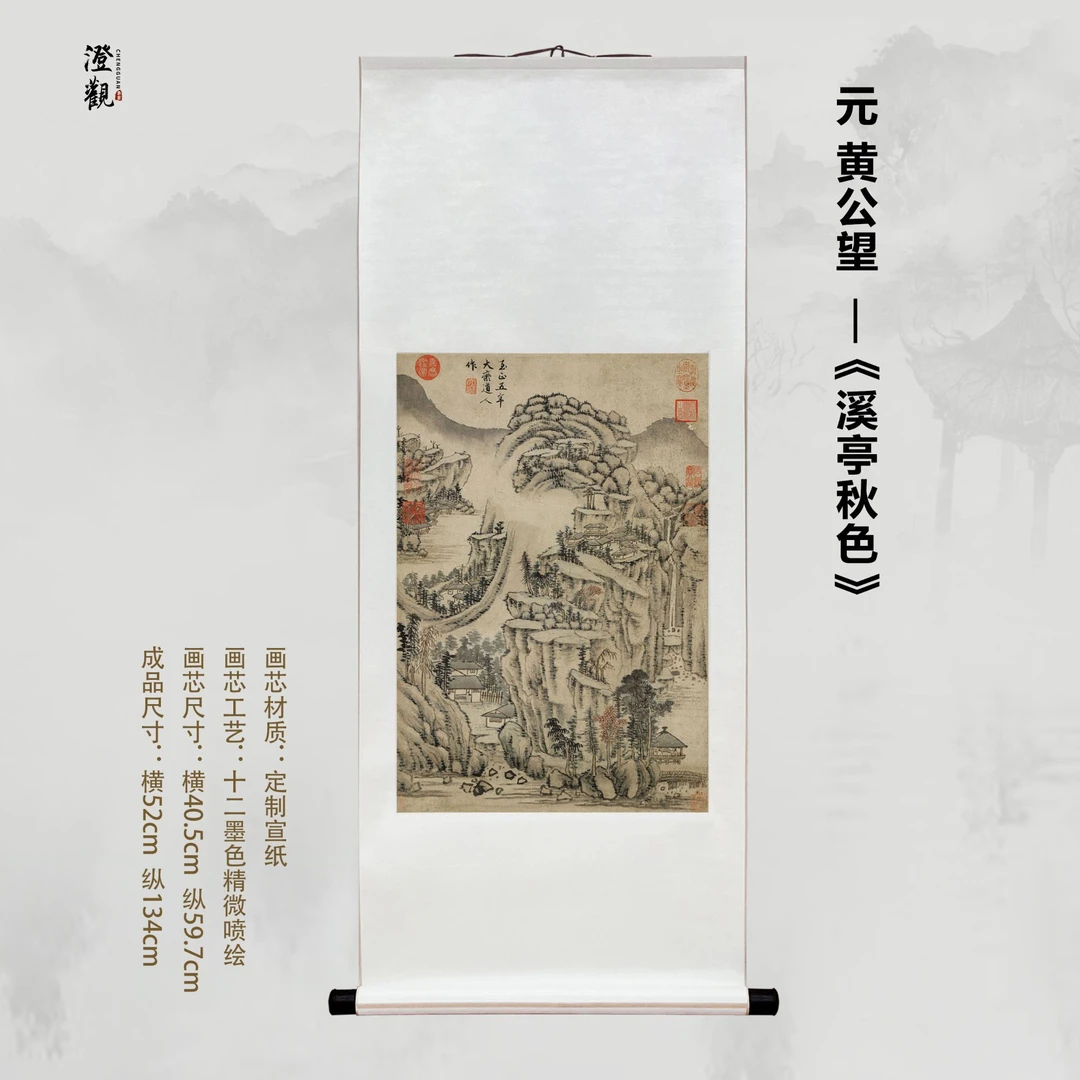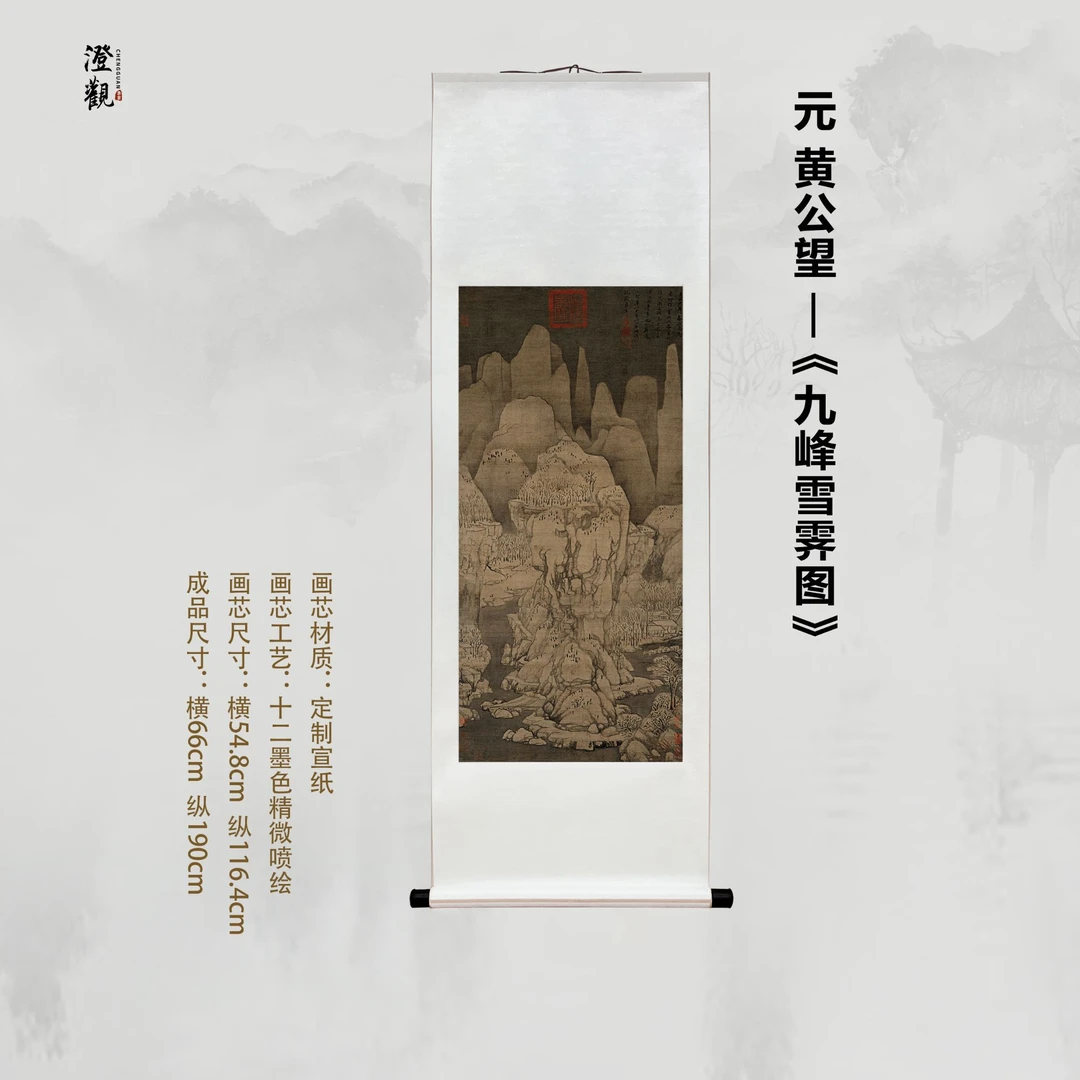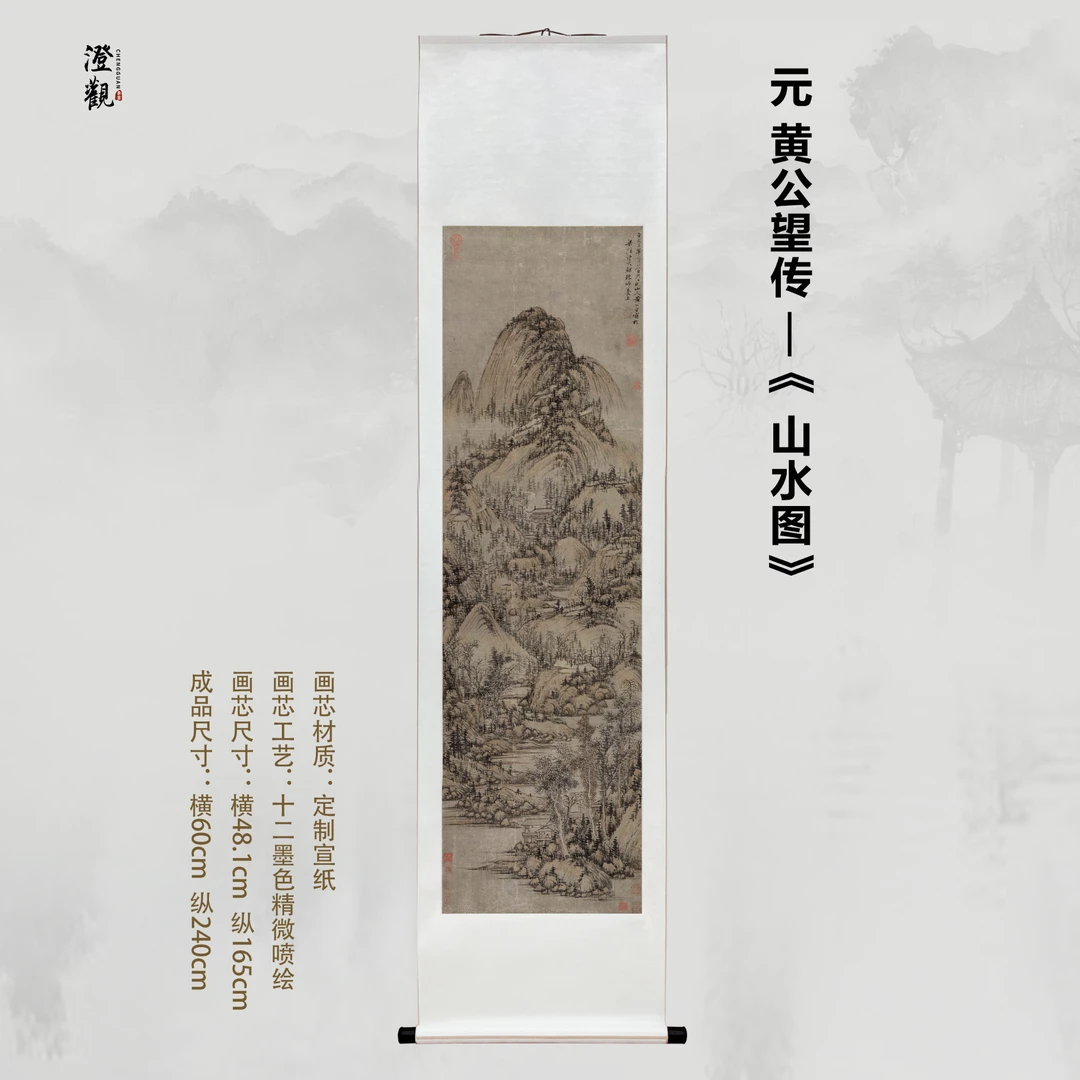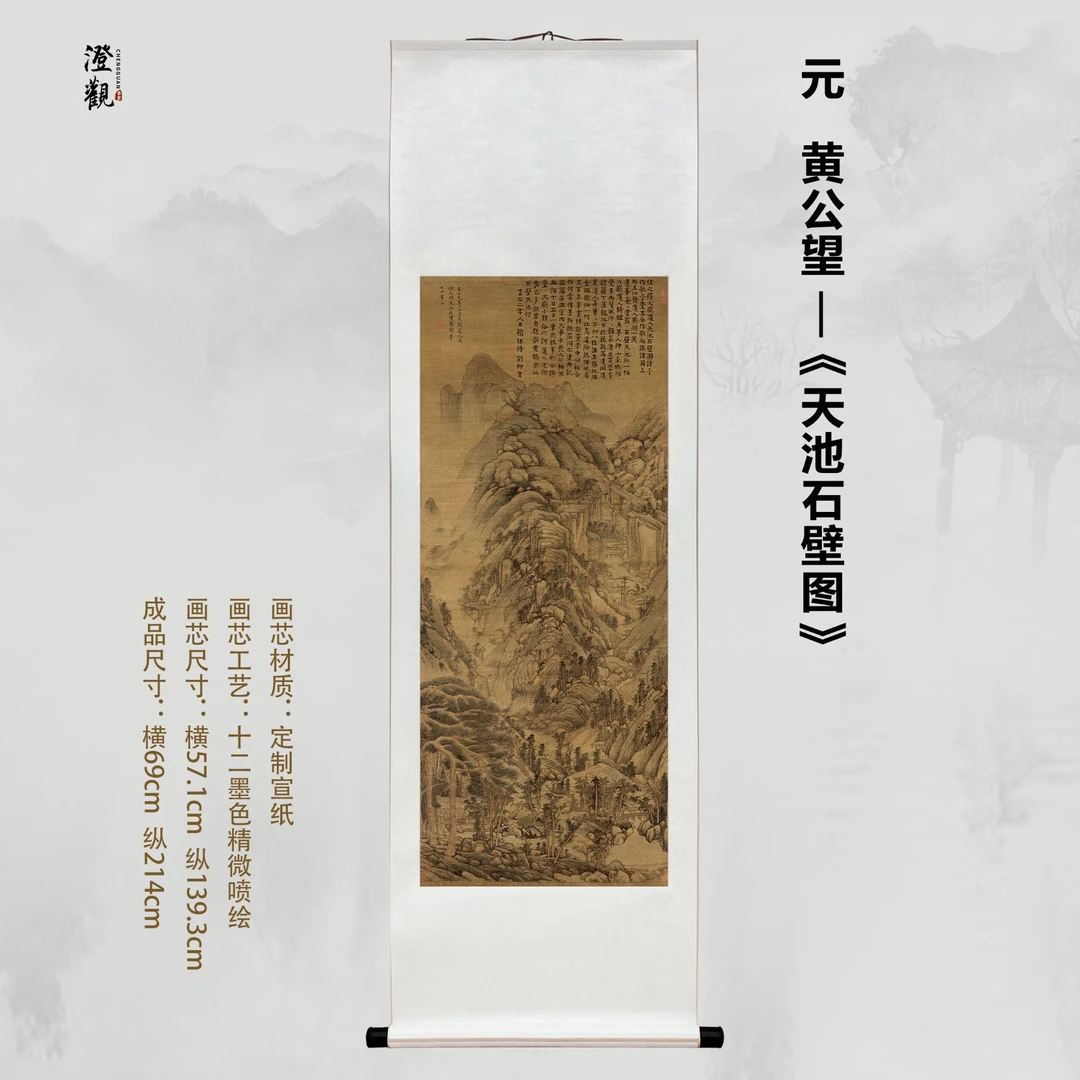
Huang Gongwang (黄公望): The Patriarch of Yuan Dynasty Landscape Painting
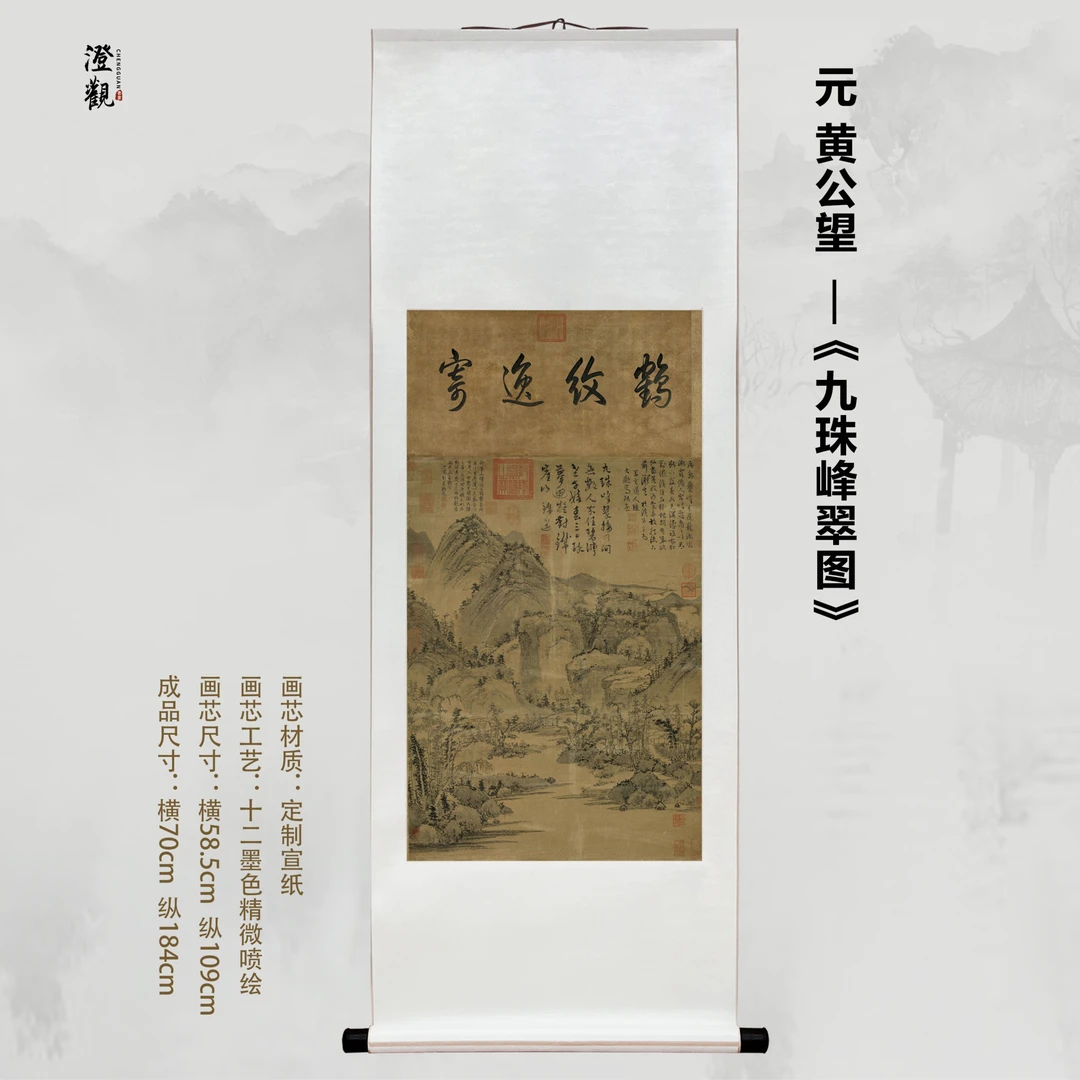
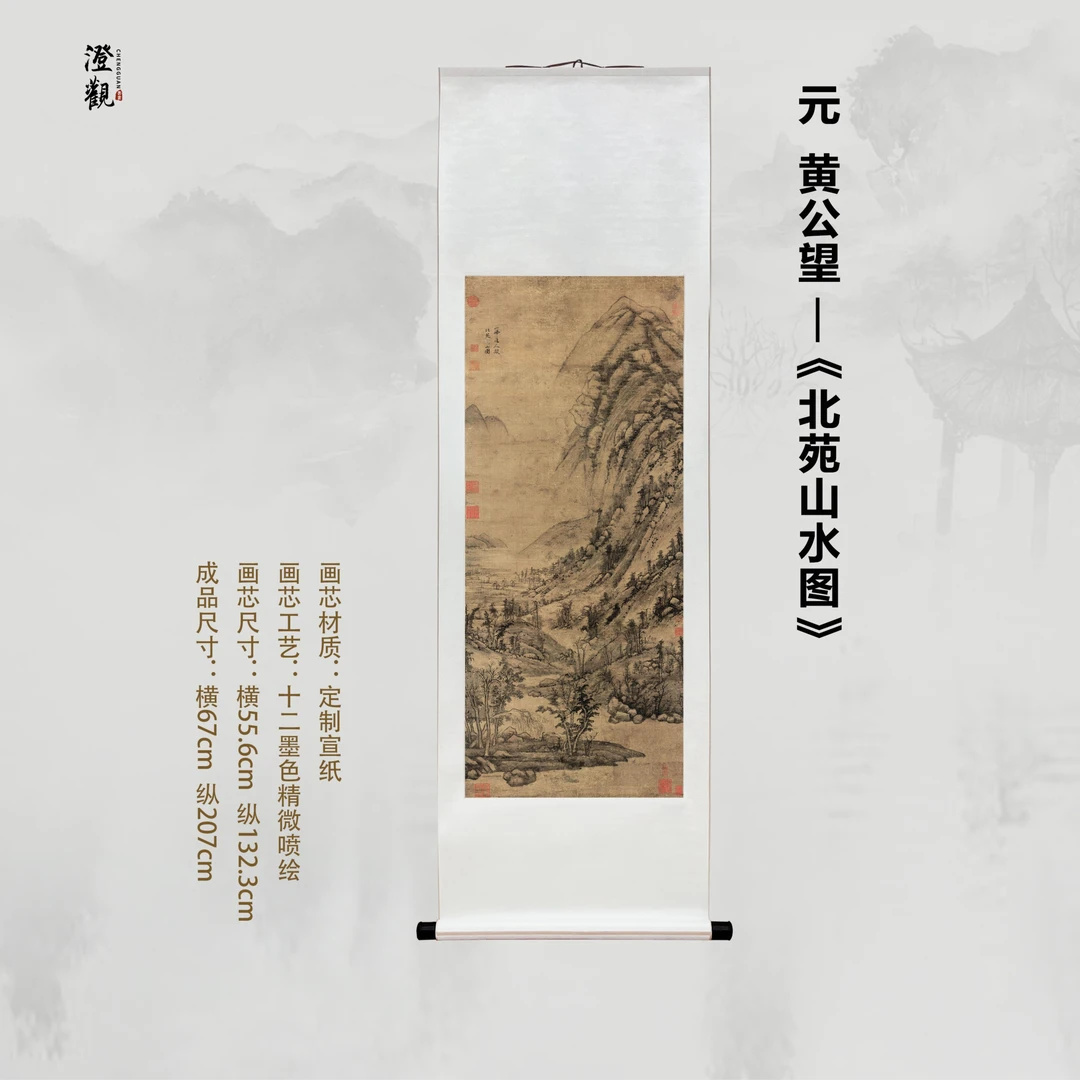
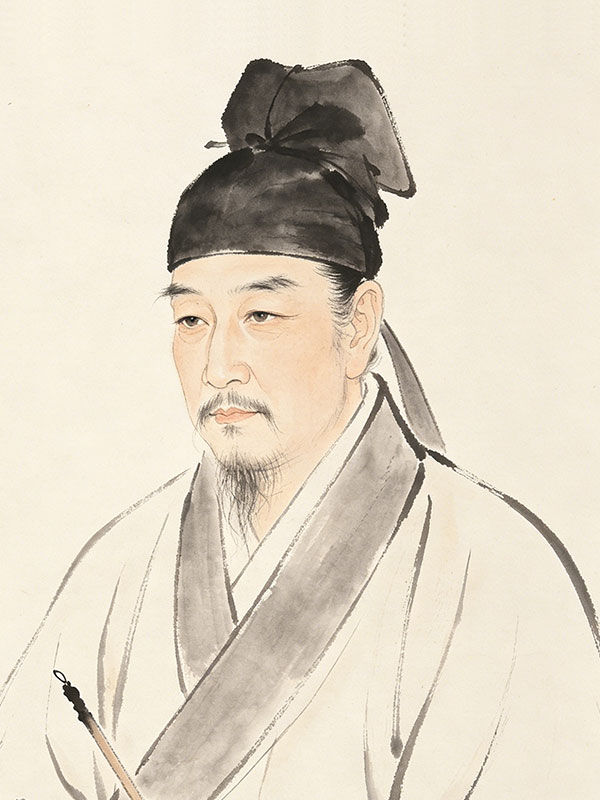
Huang Gongwang (1269–1354), originally named Lu Jian, later changed his name after being adopted by the Huang family. He is revered as the leader of the Four Masters of the Yuan Dynasty. A late bloomer who didn't take up painting seriously until his 50s, he revolutionized Chinese landscape painting by infusing it with Taoist philosophy and a "plain and natural" (pingdan tianzhen) aesthetic.
1. From Officialdom to Taoist Reclusion
Huang Gongwang’s early life was marked by intellectual brilliance but political misfortune. After serving as a minor official, he was imprisoned due to a legal case involving a superior. Following his release, he abandoned worldly ambitions and became a Taoist priest, joining the Quanzhen School. He spent his later years wandering the scenic regions of Jiangnan, particularly the Fuchun River, where he lived as a hermit. This spiritual transition allowed him to view nature through a lens of cosmic harmony rather than mere physical representation.
2. Artistic Style: The "Hemp-Fiber" Stroke
Huang Gongwang’s style is the foundation of the Southern School of literati painting. His technical innovations include:
- Hemp-fiber strokes (Pima cun): He perfected these long, relaxed, and layered brushstrokes to depict the soft, rolling hills of the Jiangnan region.
- Alum-headed stones: He often painted rounded boulders at the tops of mountains, known as "alum heads," which added structure to his soft textures.
- Moist and Airy Ink: He used layered ink washes (jimo) to create a sense of atmospheric depth, making the mountains appear as if they were breathing with vital energy (Qi).
- Spontaneity: His work emphasizes improvisation and the "naturalness" of the brush, avoiding the rigid, professional polish of court painters.
3. The Magnum Opus: "Dwelling in the Fuchun Mountains"
His greatest masterpiece, "Dwelling in the Fuchun Mountains" (富春山居图), was painted over several years (c. 1348–1350) as a gift for a fellow Taoist. It is considered the "Zhengsheng" (masterpiece of masterpieces) in Chinese art history. The scroll is legendary not only for its artistic height but also for its dramatic history: in the 17th century, a dying owner tried to burn it, resulting in the scroll being split into two parts—"The Remaining Mountain" (now in Hangzhou) and "The Master Wuyong Scroll" (now in Taipei).
4. Theoretical Contribution: "Secrets of Landscape Painting"
Huang Gongwang was not just a practitioner but also a theorist. He authored "Secrets of Landscape Painting" (写山水诀), a concise treatise that became a bible for later artists. In it, he emphasized the importance of sketching from nature (observing the "real" mountains) and the integration of the artist’s moral character with their brushwork.
5. Historical Legacy and Influence
Huang Gongwang’s influence on the Ming and Qing Dynasties was immense. He was the primary idol of the Orthodox School and was heavily studied by Dong Qichang and the Four Wangs. His ability to balance scholarship, Taoist spirituality, and technical mastery established the gold standard for Literati landscape painting for over 500 years.